



AD
Quinoxaline(CAS: 91-19-0)
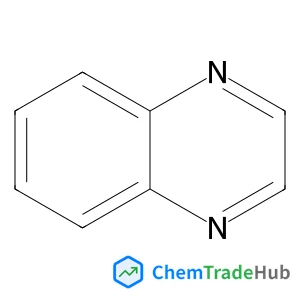
CAS Number
Related Products

2-Bromo-4-fluorobenzaldehyde
CAS Number: 59142-68-6
![N-[7-(Dimethylsulfamoyl)-2,1,3-benzoxadiazol-4-yl]-N-methylglycyl chloride](https://static.chemtradehub.com/structs/156/156153-43-4-e00e.webp)
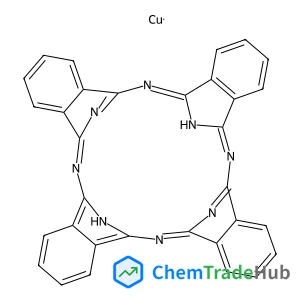
Copper(2+) phthalocyanine-6,30-diide
CAS Number: 147-14-8
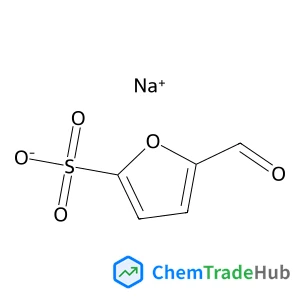
Sodium 5-formyl-2-furansulfonate
CAS Number: 31795-44-5
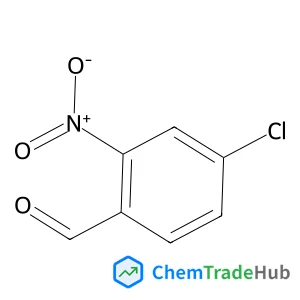
4-Chloro-2-nitrobenzaldehyde
CAS Number: 5551-11-1


1,2-Dimethoxy-3-methylbenzene
CAS Number: 4463-33-6
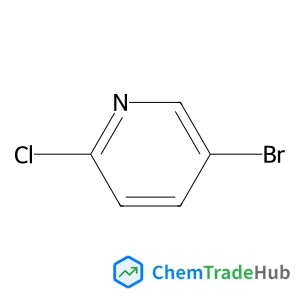
5-Bromo-2-chloropyridine
CAS Number: 53939-30-3
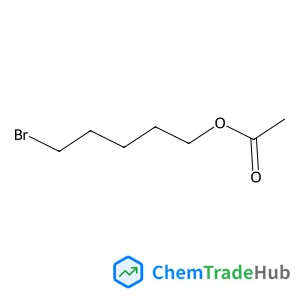
5-Bromopentyl acetate
CAS Number: 15848-22-3
Other Suppliers for Quinoxaline






Basic Information
Molecular Formula
C8H6N2
Molecular Weight
130.15 g/mol
Physical Properties
Melting Point
29-32 °C (lit.)
Boiling Point
220-223 °C(lit.)
Density
1.124 g/mL at 25 °C(lit.)
Chemical Identifiers
SMILES
c1ccc2nccnc2c1
InChIKey
XSCHRSMBECNVNS-UHFFFAOYSA-N
Database References
MDL Number
MFCD00006719
Beilstein Registry Number
109351
FAQ
Quinoxaline (CAS: 91-19-0) is a crystalline solid with a molecular weight of approximately 129.12 g/mol. It has a high solubility in organic solvents such as ethanol and acetone but is only slightly soluble in water. Chemically, it is an amphoteric compound, meaning it can act as both an acid and a base. It is known for its reactivity towards nucleophiles and electrophiles, making it useful in various chemical reactions.
Quinoxaline (CAS: 91-19-0) can be synthesized via a number of routes, but one common method involves the condensation of acridine-2-carboxaldehyde and acridine-2-carbonitrile. This reaction typically requires a catalyst like phosphoric acid and is carried out in an organic solvent. The yield and selectivity of the synthesis can be controlled by optimizing reaction conditions such as temperature and concentration.
Quinoxaline (CAS: 91-19-0) is used in various industries. In pharmaceuticals, it serves as a precursor to medicinal compounds. In the polymer industry, it can be used to improve the properties of plastic materials. Additionally, it finds applications in the manufacturing of sensors and semiconductors, where its electronic properties are utilized.
When handling Quinoxaline (CAS: 91-19-0), appropriate personal protective equipment (PPE) such as gloves and safety goggles should be worn. The compound should be used in a well-ventilated area or a fume hood to minimize exposure. In case of a spill, it is important to clean up using appropriate absorbents and to dispose of materials according to local regulations. Always refer to the safety data sheet (SDS) for detailed handling and safety information.
Safety Notice
Please verify product specifications and safety data before use. Contact the supplier for detailed safety information.
Always follow proper handling procedures
Contact Information
cdhxsj@163.com
Mobile
13458535857
Telephone
400-1166-196
Fax
028-84555506
Visit Website
https://www.hx-r.com