



AD
5-Bromo-2-ethoxypyridine(CAS: 55849-30-4)
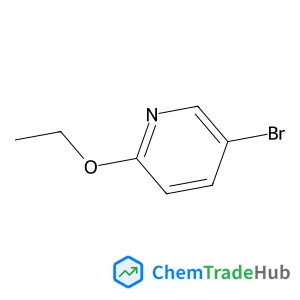
CAS Number
Related Products
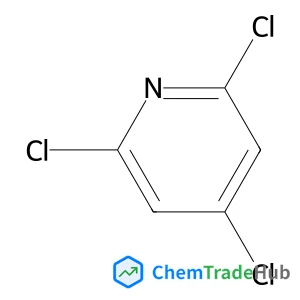
2,4,6-Trichloropyridine
CAS Number: 16063-69-7
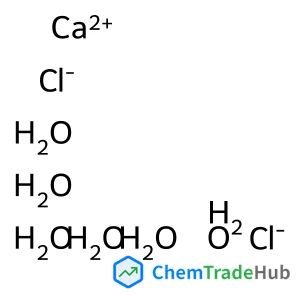
Calcium chloride hydrate (1:2:1)
CAS Number: 7774-34-7
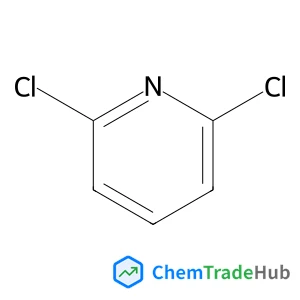
2,6-Dichloropyridine
CAS Number: 2402-78-0
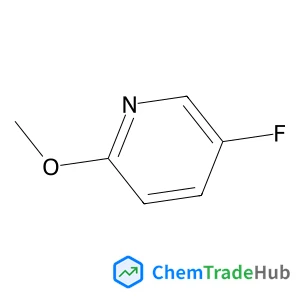
5-Fluoro-2-methoxypyridine
CAS Number: 51173-04-7
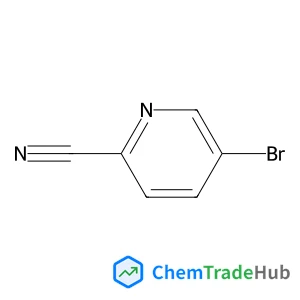
5-Bromo-2-Cyanopyridine
CAS Number: 97483-77-7
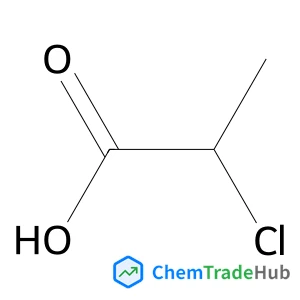
(R)-(+)-2-Chloropropionic Acid
CAS Number: 7474-05-7
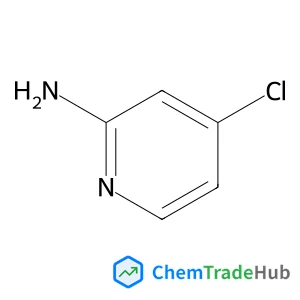
4-Chloro-2-pyridinamine
CAS Number: 19798-80-2
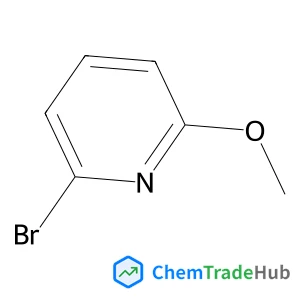
2-Bromo-6-methoxypyridine
CAS Number: 40473-07-2
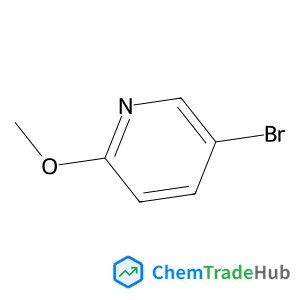
5-Bromo-2-methoxypyridine
CAS Number: 13472-85-0
Other Suppliers for 5-Bromo-2-ethoxypyridine





Basic Information
Molecular Formula
C7H8BrNO
Molecular Weight
202.05 g/mol
Physical Properties
Melting Point
35.0 to 39.0 deg-C
Boiling Point
107°C/33mmHg(lit.)
Chemical Identifiers
SMILES
CCOC1=NC=C(C=C1)Br
InChIKey
WQXZKMUZWPUZGL-UHFFFAOYSA-N
Database References
MDL Number
MFCD00234311
FAQ
5-Bromo-2-ethoxypyridine (CAS: 55849-30-4) is a crystalline solid with a molecular weight of approximately 213.11 g/mol. It has a low solubility in water but is more soluble in organic solvents like ethanol and acetone. Chemically, it is reactive towards nucleophiles and can undergo substitution reactions. It is a key intermediate in the synthesis of various pharmaceuticals and organic compounds.
5-Bromo-2-ethoxypyridine is typically synthesized by bromination of 2-ethoxypyridine using bromine in the presence of a Lewis acid catalyst like aluminum bromide (AlBr3). The reaction yields a high purity product with a moderate to good yield, depending on the reaction conditions and optimization.
5-Bromo-2-ethoxypyridine (CAS: 55849-30-4) is primarily used in the pharmaceutical industry as an intermediate for the synthesis of various drugs. It is also utilized in the chemical industry for the development of organic semiconductors and as a component in some polymer formulations.
When handling 5-Bromo-2-ethoxypyridine (CAS: 55849-30-4), it is important to wear appropriate personal protective equipment (PPE) such as gloves, safety glasses, and a lab coat. Work should be conducted in a well-ventilated fume hood to minimize inhalation risks. Spills should be cleaned up with appropriate absorbent materials, and the area should be decontaminated. Always refer to the Safety Data Sheet (SDS) for specific handling instructions and emergency procedures.
Safety Notice
Please verify product specifications and safety data before use. Contact the supplier for detailed safety information.
Always follow proper handling procedures
Contact Information
Contact Person
Yang Fu