



AD
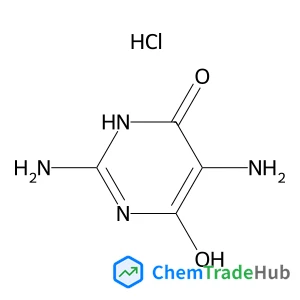
2,5-Diamino-6-hydroxy-4(1H)-pyrimidinone hydrochloride (1:1)(CAS: 56830-58-1)
CAS Number
Related Products
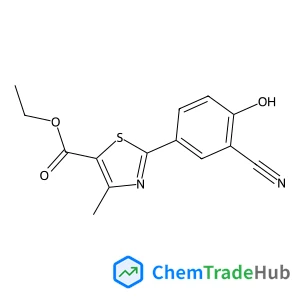
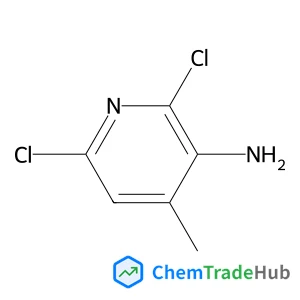
2,6-Dichloro-4-methyl-3-pyridinamine
CAS Number: 129432-25-3
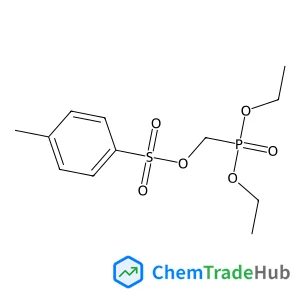
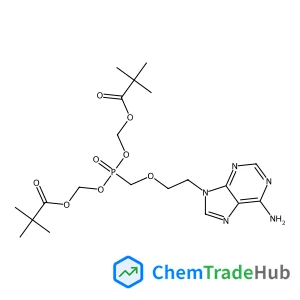
Adefovir Dipivoxil
CAS Number: 142340-99-6
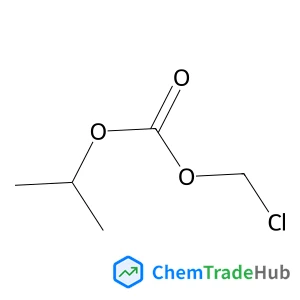
Chloromethyl isopropyl carbonate
CAS Number: 35180-01-9
![2-[3-cyano-4-(2-methylpropoxy)phenyl]-4-methyl-1,3-thiazole-5-carboxylic acid](https://static.chemtradehub.com/structs/144/144060-53-7-2f9c.webp)
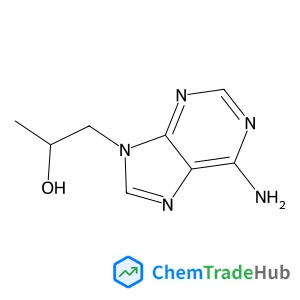
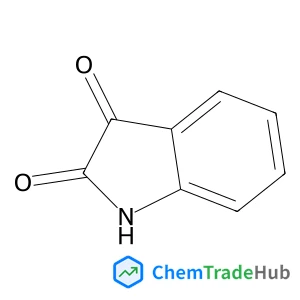
3-Hydroxy-2H-indol-2-one
CAS Number: 91-56-5
Other Suppliers for 2,5-Diamino-6-hydroxy-4(1H)-pyrimidinone hydrochloride (1:1)






Basic Information
Molecular Formula
C4H7ClN4O2
Molecular Weight
178.58 g/mol
Physical Properties
Melting Point
No data available
Boiling Point
524.2±60.0 °C at 760 mmHg
Flash Point
270.9±32.9 °C
Chemical Identifiers
SMILES
C1(=C(N=C(NC1=O)N)O)N.Cl
InChIKey
IIVYOQGIZSPVFZ-UHFFFAOYSA-N
Database References
MDL Number
MFCD00082893
FAQ
2,5-Diamino-6-hydroxy-4(1H)-pyrimidinone hydrochloride (CAS: 56830-58-1) is a white crystalline solid with a molecular weight of approximately 234.77 g/mol. It is moderately soluble in water and ethanol, with limited solubility in common organic solvents. This compound is known for its basic nature, with a pKa of about 12. It is stable under normal storage conditions but reacts with strong acids. It can form complexes with metal ions, making it useful in various chemical reactions.
2,5-Diamino-6-hydroxy-4(1H)-pyrimidinone hydrochloride is typically synthesized through the condensation of 6-hydroxypyrimidine-4(1H)-one with an amino compound, such as ethylene diamine, followed by hydrochloric acid treatment to form the hydrochloride salt. The reaction is carried out in a suitable solvent like methanol or ethanol, and typically requires careful control of pH to achieve high yield and selectivity.
2,5-Diamino-6-hydroxy-4(1H)-pyrimidinone hydrochloride (CAS: 56830-58-1) is used in various industries. It is a key intermediate in pharmaceuticals for the synthesis of certain drugs, as well as in polymer chemistry for the development of novel materials. Additionally, it finds applications in the production of sensors and semiconductors due to its unique chemical properties and reactivity.
When handling 2,5-Diamino-6-hydroxy-4(1H)-pyrimidinone hydrochloride (CAS: 56830-58-1), it is crucial to wear appropriate personal protective equipment (PPE), including gloves, goggles, and laboratory coat. This compound should be handled in a well-ventilated area or a fume hood to prevent inhalation. Spills should be cleaned up immediately using appropriate absorbent materials, and the area should be thoroughly washed. Always consult the Safety Data Sheet (SDS) for detailed handling and disposal information.
Safety Notice
Please verify product specifications and safety data before use. Contact the supplier for detailed safety information.
Always follow proper handling procedures