



AD
2,6-Dichloro-4-methyl-3-pyridinamine(CAS: 129432-25-3)
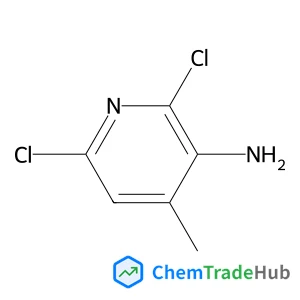
CAS Number
Related Products
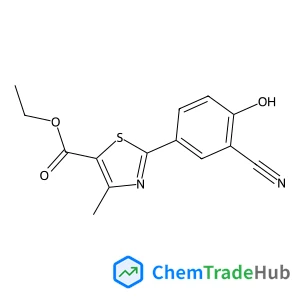


Adefovir Dipivoxil
CAS Number: 142340-99-6
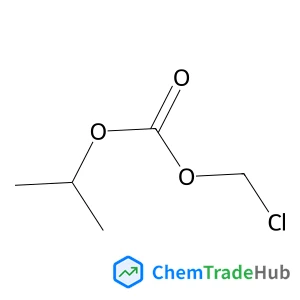
Chloromethyl isopropyl carbonate
CAS Number: 35180-01-9
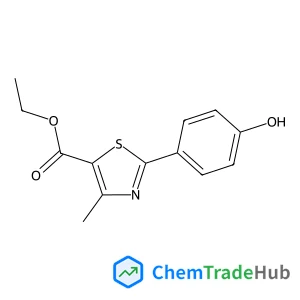
![2-[3-cyano-4-(2-methylpropoxy)phenyl]-4-methyl-1,3-thiazole-5-carboxylic acid](https://static.chemtradehub.com/structs/144/144060-53-7-2f9c.webp)
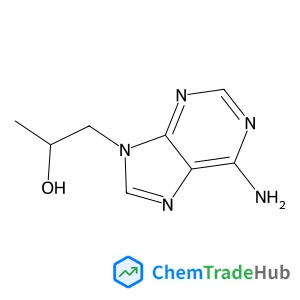
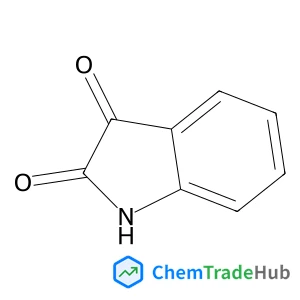
3-Hydroxy-2H-indol-2-one
CAS Number: 91-56-5
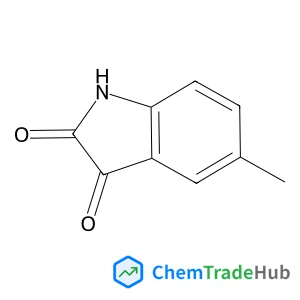
5-Methyl-1H-indole-2,3-dione
CAS Number: 608-05-9
Other Suppliers for 2,6-Dichloro-4-methyl-3-pyridinamine



Basic Information
Molecular Formula
C6H6Cl2N2
Molecular Weight
177.03 g/mol
Physical Properties
Boiling Point
327.7℃ at 760 mmHg
Chemical Identifiers
SMILES
CC1=CC(=NC(=C1N)Cl)Cl
InChIKey
AULKGEJDEAKINM-UHFFFAOYSA-N
Database References
MDL Number
MFCD01320814
FAQ
2,6-Dichloro-4-methyl-3-pyridinamine (CAS: 129432-25-3) is classified as a hazardous chemical under the Globally Harmonized System (GHS) due to its toxicity and reactivity. Regulatory guidelines include compliance with REACH regulations in the European Union, as well as FDA and EPA requirements for safe handling, storage, and disposal. Manufacturers and users must adhere to these guidelines to ensure safety and environmental protection.
Several alternatives to 2,6-Dichloro-4-methyl-3-pyridinamine (CAS: 129432-25-3) are available in synthesis, including 2,6-dichloropyridine and 4-methyl-3-pyridinamine. These alternatives can offer similar functionalities with potentially lower toxicity and better synthetic accessibility. The choice of alternative depends on the specific application and desired properties of the final product.
The market for 2,6-Dichloro-4-methyl-3-pyridinamine (CAS: 129432-25-3) is largely driven by its use in pharmaceutical and agrochemical industries. Research trends are focusing on its potential as a precursor for drug discovery and pesticidal compounds. Market trends indicate increasing demand, particularly in developing countries where there is a growing need for effective pharmaceuticals and pesticides. However, regulatory challenges and safety concerns are also influencing market dynamics.
Waste containing 2,6-Dichloro-4-methyl-3-pyridinamine (CAS: 129432-25-3) should be collected in appropriate containers and disposed of through professional waste disposal services. Incineration is a common method for waste disposal, provided it meets environmental and safety standards. Additional precautions include environmental protection measures to prevent contamination of soil and water, and strict adherence to local and international regulations for hazardous waste management.
Safety Notice
Please verify product specifications and safety data before use. Contact the supplier for detailed safety information.
Always follow proper handling procedures