



AD
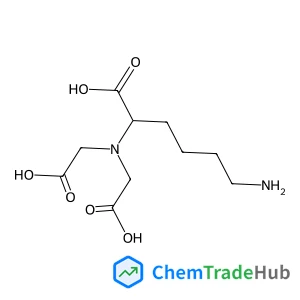
L-Lysine, N2,N2-bis(carboxymethyl)-, 2,2,2-trifluoroacetate (1:1)(CAS: 160369-83-5)
CAS Number
Related Products
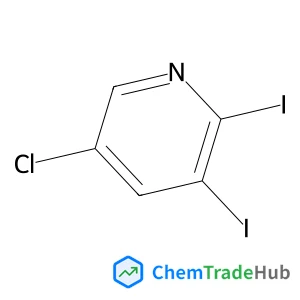
5-Chloro-2,3-diiodopyridine
CAS Number: 1261365-71-2
![5-Bromo-6-fluoro-1H-pyrrolo[2,3-b]pyridine](https://static.chemtradehub.com/structs/120/1207625-29-3-38b4.webp)
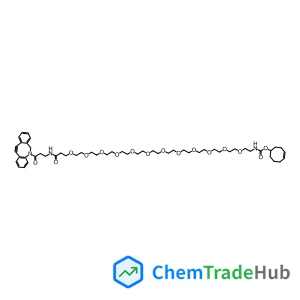
Tco-peg12-dbco
CAS Number: 2055022-06-3
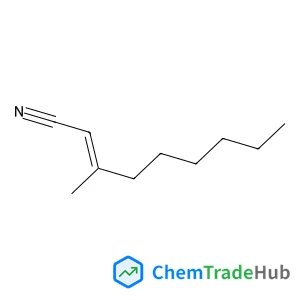
3-Methyl-2-nonenenitrile
CAS Number: 53153-66-5
![Ethyl 2-ethoxy-4-[2-({(1S)-3-methyl-1-[2-(1-piperidinyl)phenyl]butyl}amino)-2-oxoethyl]benzoate](https://static.chemtradehub.com/structs/147/147770-06-7-5fb6.webp)
![2-Methyl[1,3]oxazolo[5,4-d]pyrimidin-7(6H)-one](https://static.chemtradehub.com/structs/274/27433-55-2-83e8.webp)
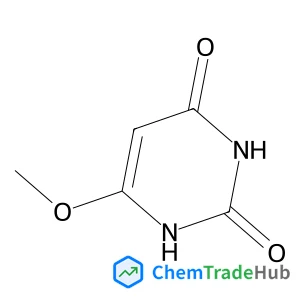
6-Methoxy-2,4(1H,3H)-pyrimidinedione
CAS Number: 29458-38-6
Other Suppliers for L-Lysine, N2,N2-bis(carboxymethyl)-, 2,2,2-trifluoroacetate (1:1)




Basic Information
Molecular Formula
C10H18N2O6
Molecular Weight
262.26 g/mol
Chemical Identifiers
SMILES
C(CCN)CC(C(=O)O)N(CC(=O)O)CC(=O)O
InChIKey
SYFQYGMJENQVQT-UHFFFAOYSA-N
Database References
MDL Number
MFCD00269876
FAQ
L-Lysine, N2,N2-bis(carboxymethyl)-, 2,2,2-trifluoroacetate (1:1) is a white crystalline powder. It has a molecular weight of approximately 460.33 g/mol and is highly soluble in water. This compound is known for its reactivity with nucleophiles and its ability to form stable complexes with metal ions. It exhibits good solubility in organic solvents such as methanol and ethanol. It is often used in pharmaceutical and biochemical applications due to its reactivity and stability.
L-Lysine, N2,N2-bis(carboxymethyl)-, 2,2,2-trifluoroacetate (1:1) is typically synthesized by the reaction of L-Lysine with trifluoroacetic anhydride and dimethyl carbonate in the presence of a catalyst. This process involves the formation of a trifluoroacetate ester, followed by the introduction of carboxymethyl groups. The synthesis yields a high purity product with good selectivity and yield, making it suitable for various applications in pharmaceutical and biochemical industries.
L-Lysine, N2,N2-bis(carboxymethyl)-, 2,2,2-trifluoroacetate (1:1) finds extensive use in the pharmaceutical industry for the synthesis of active pharmaceutical ingredients and prodrugs. It is also employed in the production of polymers, particularly in the development of smart materials and drug delivery systems. Additionally, this compound is utilized in the fabrication of sensors and semiconductors due to its unique chemical properties.
When handling L-Lysine, N2,N2-bis(carboxymethyl)-, 2,2,2-trifluoroacetate (1:1), it is important to wear appropriate personal protective equipment (PPE), including gloves, goggles, and a lab coat. This compound should be handled in a well-ventilated area, preferably in a fume hood, to minimize exposure to trifluoroacetic acid vapor. In case of a spill, it is recommended to neutralize the acid with a base before cleaning up. Always refer to the safety data sheet (SDS) for detailed handling and disposal instructions.
Safety Notice
Please verify product specifications and safety data before use. Contact the supplier for detailed safety information.
Always follow proper handling procedures

Contact Information
Contact Person
Manager Yu
710378061@qq.com
Mobile
18605105771
Visit Website
https://www.sanhua-chem.com/Address
No. 688 Jiushuire Lu, Building 1, Jinshanwei Town, Jinshan District, Shanghai