



AD
{2-[(Dimethylamino)methyl]-1,3-thiazol-4-yl}methanol(CAS: 78441-69-7)
![{2-[(Dimethylamino)methyl]-1,3-thiazol-4-yl}methanol](https://static.chemtradehub.com/structs/784/78441-69-7-cd76.webp "{2-[(Dimethylamino)methyl]-1,3-thiazol-4-yl}methanol")
CAS Number
Related Products
![(2S)-3-(benzyloxy)-2-({[(9H-fluoren-9-yl)methoxy]carbonyl}amino)propanoic acid](https://static.chemtradehub.com/structs/837/83792-48-7-3174.webp)
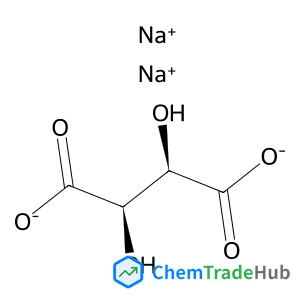
Disodium (2R,3R)-2,3-dihydroxysuccinate
CAS Number: 868-18-8
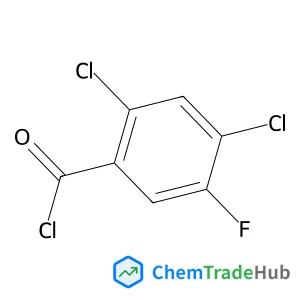
2,4-Dichloro-5-fluorobenzoyl chloride
CAS Number: 86393-34-2
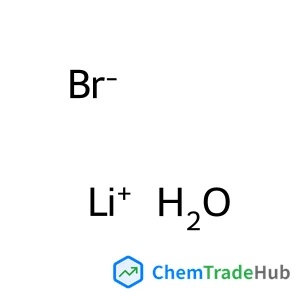
Lithium bromide hydrate (1:1:1)
CAS Number: 85017-82-9
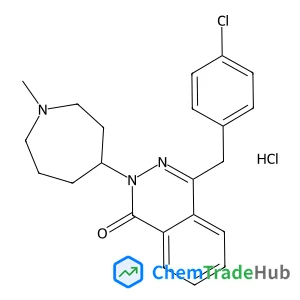
Azelastine HCl
CAS Number: 79307-93-0
Oil of Origanum ,
CAS Number: 8007-11-2
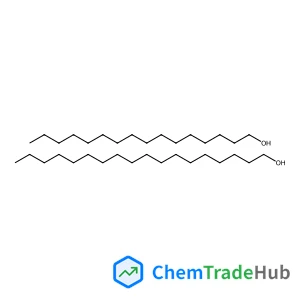
1-Hexadecanol - 1-octadecanol (1:1)
CAS Number: 8005-44-5
Other Suppliers for {2-[(Dimethylamino)methyl]-1,3-thiazol-4-yl}methanol
![{2-[(Dimethylamino)methyl]-1,3-thiazol-4-yl}methanol — Hubei Yangxin Pharmaceutical Technology Co., Ltd.](https://static.chemtradehub.com/suppliers/67cded3957537e5c8069af88/67cded3957537e5c8069af88-logo.webp)
![{2-[(Dimethylamino)methyl]-1,3-thiazol-4-yl}methanol — HePeng ( ShangHai ) Biotechnology Co Ltd](https://static.chemtradehub.com/suppliers/67ceccf22b2de6e8e95a5e0f/67ceccf22b2de6e8e95a5e0f-logo.webp)
![{2-[(Dimethylamino)methyl]-1,3-thiazol-4-yl}methanol — Leyan Reagents](https://static.chemtradehub.com/suppliers/67ce1f8657537e5c8069b370/67ce1f8657537e5c8069b370-logo.webp)
![{2-[(Dimethylamino)methyl]-1,3-thiazol-4-yl}methanol — Jin Jinle (Hunan) Chemical Co., Ltd.](https://static.chemtradehub.com/suppliers/67ce76192b2de6e8e95a464e/67ce76192b2de6e8e95a464e-logo.webp)
Basic Information
Molecular Formula
C7H12N2OS
Molecular Weight
172.25 g/mol
Physical Properties
Boiling Point
273.1°C at 760 mmHg
Density
1.208
Flash Point
119°C
Chemical Identifiers
SMILES
CN(C)CC1=NC(=CS1)CO
InChIKey
BIEFSXASVIQOOS-UHFFFAOYSA-N
Database References
MDL Number
MFCD06407647
FAQ
(2-[(Dimethylamino)methyl]-1,3-thiazol-4-yl)methanol (CAS: 78441-69-7) is a white crystalline solid with a molecular weight of approximately 220.24 g/mol. It has a high solubility in organic solvents such as ethanol and methanol, but is poorly soluble in water. This compound is relatively stable under normal conditions but can react with strong acids or bases. It is often used in chemical synthesis due to its reactivity and unique functional groups.
How is (2-[(Dimethylamino)methyl]-1,3-thiazol-4-yl)methanol (CAS: 78441-69-7) typically synthesized?
(2-[(Dimethylamino)methyl]-1,3-thiazol-4-yl)methanol (CAS: 78441-69-7) can be synthesized via the reaction of 1,3-thiazol-4-amine with methyl iodide and dimethylamine. The process involves the use of a base such as sodium hydride to provide the necessary nucleophilicity, resulting in a high yield of the desired product. This synthesis is commonly carried out in an inert atmosphere to prevent side reactions.
(2-[(Dimethylamino)methyl]-1,3-thiazol-4-yl)methanol (CAS: 78441-69-7) is used in various industries, particularly in pharmaceuticals where it serves as a precursor for drug synthesis. It is also utilized in the production of polymers and as a sensor material due to its unique chemical properties. Additionally, it finds application in the semiconductor industry for certain purification processes.
When handling (2-[(Dimethylamino)methyl]-1,3-thiazol-4-yl)methanol (CAS: 78441-69-7), it is important to wear appropriate personal protective equipment (PPE), including gloves, goggles, and a lab coat. This compound should be handled in a well-ventilated area or a fume hood to minimize inhalation risks. Spills should be handled with caution, using appropriate absorbent materials and following standard laboratory procedures. Always consult the safety data sheet (SDS) for detailed handling and disposal information.
Safety Notice
Please verify product specifications and safety data before use. Contact the supplier for detailed safety information.
Always follow proper handling procedures
Contact Information
Jeffreyxu@atchem.net