



AD
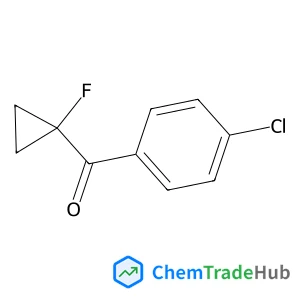
(4-Chlorophenyl)(1-fluorocyclopropyl)methanone(CAS: 103543-60-8)
CAS Number
Related Products
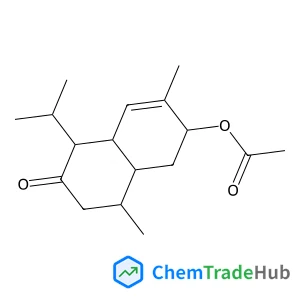
3-Acetoxy-4-cadinen-8-one
CAS Number: 923950-05-4
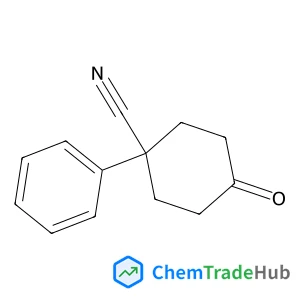
4-Oxo-1-phenylcyclohexanecarbonitrile
CAS Number: 25115-74-6
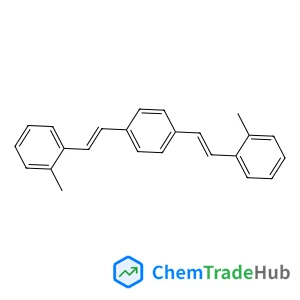
Valiolamine
CAS Number: 83456-22-9
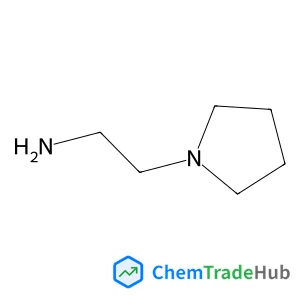
2-(1-Pyrrolidinyl)ethanamine
CAS Number: 7154-73-6
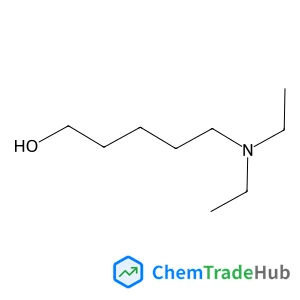
5-(Diethylamino)-1-pentanol
CAS Number: 2683-57-0
![2-Methyl-2-propanyl 4-{[2-(2-aminophenyl)ethyl]amino}-1-piperidinecarboxylate](https://static.chemtradehub.com/structs/783/783368-12-7-e061.webp)
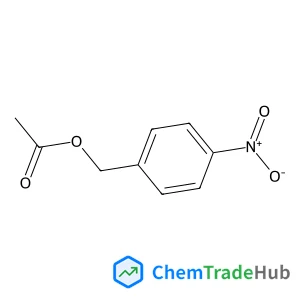
Benzenemethanol, 4-nitro-, 1-acetate
CAS Number: 619-90-9
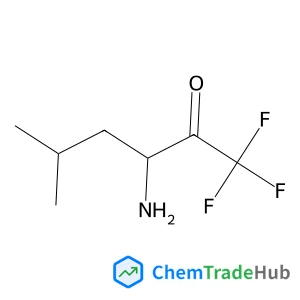
Other Suppliers for (4-Chlorophenyl)(1-fluorocyclopropyl)methanone





Basic Information
Molecular Formula
C10H8ClFO
Molecular Weight
198.62 g/mol
Chemical Identifiers
SMILES
C1CC1(C(=O)C2=CC=C(C=C2)Cl)F
InChIKey
JNAIPRZVBAOLMT-UHFFFAOYSA-N
Database References
MDL Number
MFCD13172916
FAQ
(4-Chlorophenyl)(1-fluorocyclopropyl)methanone is a white to light yellow crystalline solid with a molecular weight of approximately 244.02 g/mol. Its solubility in water is low, with a maximum solubility of about 0.5 g/100 mL at 25°C. It is highly reactive due to the presence of a ketone group and a chlorine atom. The compound is stable under normal conditions but requires storage in a cool, dark place to prevent decomposition.
(4-Chlorophenyl)(1-fluorocyclopropyl)methanone is typically synthesized via a Wittig reaction involving phenyl chloroacetate and 1-fluorocyclopropyl methyl triphenylphosphonium bromide. The reaction is carried out in the presence of a base such as n-butyllithium to promote the formation of the ylide. The yield is usually around 70-80%, and the reaction is known for its high regioselectivity.
(4-Chlorophenyl)(1-fluorocyclopropyl)methanone is used in the pharmaceutical industry for the synthesis of certain drugs due to its unique functional groups. It is also used in the semiconductor industry for the production of photoresists and other materials. Additionally, it has potential applications in the field of polymer chemistry, where its reactivity can be utilized in the development of new materials.
When handling (4-Chlorophenyl)(1-fluorocyclopropyl)methanone, it is essential to wear appropriate personal protective equipment (PPE) such as gloves, goggles, and a lab coat. The compound should be handled in a fume hood to minimize exposure to air. In case of a spill, the area should be immediately flushed with water, and the spill should be cleaned up using appropriate absorbent materials. It is crucial to refer to the Safety Data Sheet (SDS) for detailed safety information and emergency procedures.
Safety Notice
Please verify product specifications and safety data before use. Contact the supplier for detailed safety information.
Always follow proper handling procedures

Contact Information
hepeng20160718@foxmail.com
Mobile
13122891558
Telephone
186-16545970
Visit Website
https://www.hepengbio.com/