



AD
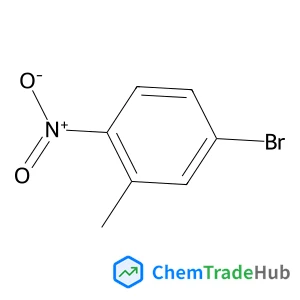
4-Bromo-2-methyl-1-nitrobenzene(CAS: 52414-98-9)
CAS Number
Related Products
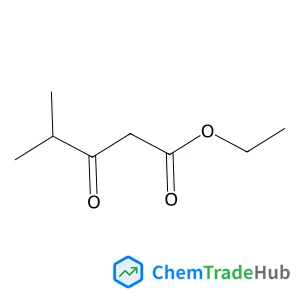
Ethyl 4-methyl-3-oxopentanoate
CAS Number: 7152-15-0
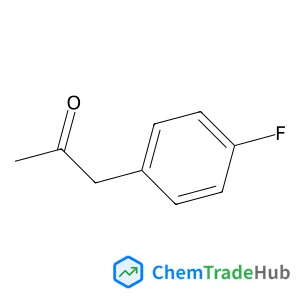
1-(4-Fluorophenyl)acetone
CAS Number: 459-03-0
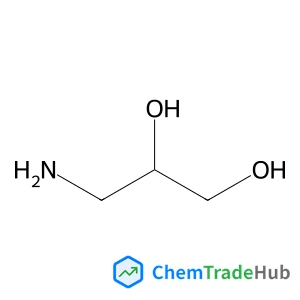
3-Amino-1,2-propanediol
CAS Number: 616-30-8
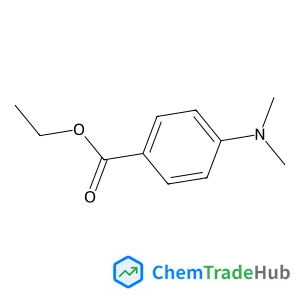
Ethyl 4-(dimethylamino)benzoate
CAS Number: 10287-53-3
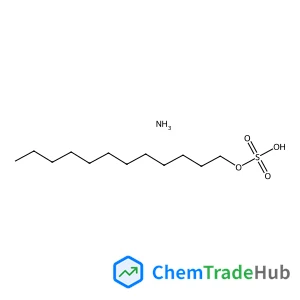
Ammonium dodecyl sulfate
CAS Number: 2235-54-3

1,2-Difluoro-3-methyl-4-nitrobenzene
CAS Number: 914348-35-9
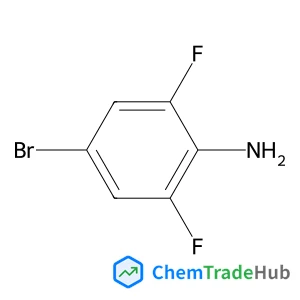
Abemaciclib Impurity 6
CAS Number: 67567-26-4
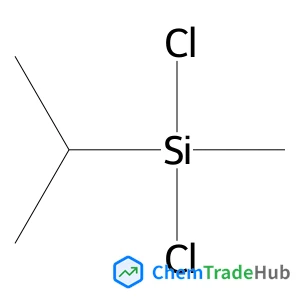
Dichloro(isopropyl)methylsilane
CAS Number: 18236-89-0
Other Suppliers for 4-Bromo-2-methyl-1-nitrobenzene



Basic Information
Molecular Formula
C7H6BrNO2
Molecular Weight
216.03 g/mol
Physical Properties
Melting Point
53-55 ºC
Boiling Point
265.4°C at 760 mmHg
Density
1.615
Flash Point
114 ºC
Chemical Identifiers
SMILES
CC1=C(C=CC(=C1)Br)[N+](=O)[O-]
InChIKey
PAHAIHXVVJMZKU-UHFFFAOYSA-N
Database References
MDL Number
MFCD00137824
FAQ
4-Bromo-2-methyl-1-nitrobenzene (CAS: 52414-98-9) is a crystalline compound with a molecular weight of approximately 229.04 g/mol. It has a melting point of 124-125°C and is slightly soluble in water. This compound is known for its high reactivity, particularly towards nucleophilic substitution and reduction reactions.
4-Bromo-2-methyl-1-nitrobenzene (CAS: 52414-98-9) is typically synthesized by bromination of 2-methyl-1-nitrobenzene followed by purification. Common methods include the use of N-bromosuccinimide (NBS) as the brominating agent in an inert solvent like benzene or toluene under light or heat. The yield is usually around 70-80%, with high selectivity for the bromination reaction.
4-Bromo-2-methyl-1-nitrobenzene (CAS: 52414-98-9) is used in the pharmaceutical industry for the synthesis of various drug intermediates, and in the polymer industry for the development of functional polymers. It also finds applications in the sensor and semiconductor industries, particularly in the preparation of derivatized compounds for specific sensing applications.
When handling 4-Bromo-2-methyl-1-nitrobenzene (CAS: 52414-98-9), it is essential to wear appropriate personal protective equipment (PPE) including gloves, safety goggles, and a laboratory coat. Work should be conducted in a fume hood to minimize exposure. Spills should be carefully cleaned up using appropriate absorbent materials, and the area should be ventilated. Refer to the Safety Data Sheet (SDS) for specific handling and disposal instructions.
Safety Notice
Please verify product specifications and safety data before use. Contact the supplier for detailed safety information.
Always follow proper handling procedures
Contact Information
Contact Person
Yang Qin
1462312301@qq.com