



AD
Ethyl L-tryptophanate hydrochloride (1:1)(CAS: 2899-28-7)
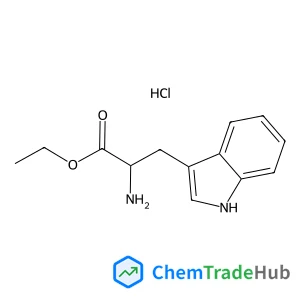
CAS Number
Related Products
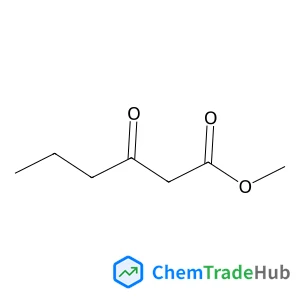
Atorvastatin Impurity 103
CAS Number: 30414-54-1
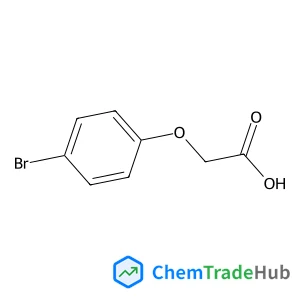
(4-Bromophenoxy)acetic acid
CAS Number: 1878-91-7
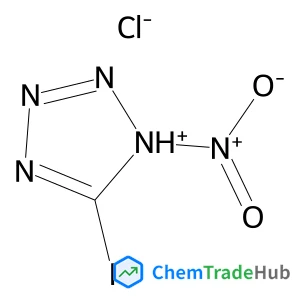
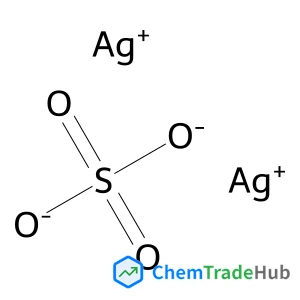
Silver Sulfate
CAS Number: 10294-26-5
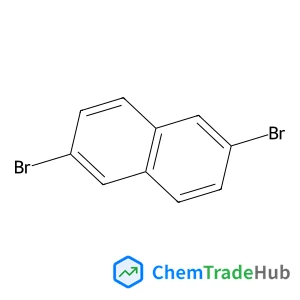
2,6-Dibromonaphthalene
CAS Number: 13720-06-4
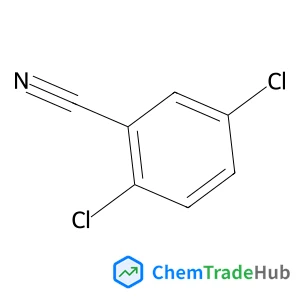
2,5-Dichlorobenzonitrile
CAS Number: 21663-61-6
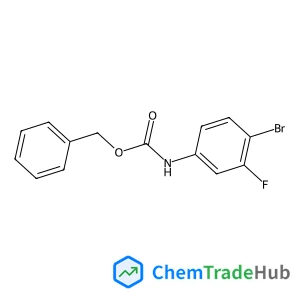
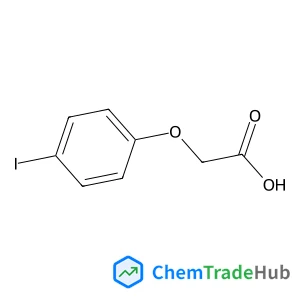
(4-Iodophenoxy)acetic acid
CAS Number: 1878-94-0
![1-[2-(1-Azocanyl)ethyl]guanidine sulfate (1:1)](https://static.chemtradehub.com/structs/645/645-43-2-650e.webp)
Other Suppliers for Ethyl L-tryptophanate hydrochloride (1:1)






Basic Information
Molecular Formula
C13H17ClN2O2
Molecular Weight
268.74 g/mol
Physical Properties
Melting Point
220-225 °C (dec.)
Boiling Point
401.2°C at 760 mmHg
Flash Point
196.4 °C
Chemical Identifiers
SMILES
CCOC(=O)C(CC1=CNC2=CC=CC=C21)N.Cl
InChIKey
PESYCVVSLYSXAK-MERQFXBCSA-N
Database References
MDL Number
MFCD00038993
FAQ
Ethyl L-tryptophanate hydrochloride (CAS: 2899-28-7) is a crystalline compound with a molecular weight of approximately 287.8 g/mol. It is soluble in water and ethanol but less soluble in organic solvents. The compound exhibits basic properties due to the presence of the hydrochloride salt. It is relatively stable under normal conditions but can react with bases to form the free base. It has a melting point of about 210-215°C and is used in pharmaceutical formulations.
Ethyl L-tryptophanate hydrochloride (CAS: 2899-28-7) is typically synthesized by reacting L-tryptophan with ethyl chloroacetate in the presence of a base like sodium hydroxide. The process involves a condensation reaction followed by the addition of hydrochloric acid to form the hydrochloride salt. The reaction is carried out in an appropriate solvent, and the product is isolated by crystallization. The yield is generally around 80-90%.
Ethyl L-tryptophanate hydrochloride (CAS: 2899-28-7) is primarily used in the pharmaceutical industry for the synthesis of certain drugs. It is also used in the food industry as a flavoring agent and in the cosmetic industry for developing skin care products. The compound's ability to act as a precursor in the production of tryptophan analogs makes it valuable in various applications.
What precautions should be taken when handling Ethyl L-tryptophanate hydrochloride (CAS: 2899-28-7)?
When handling Ethyl L-tryptophanate hydrochloride (CAS: 2899-28-7), it is essential to wear appropriate personal protective equipment (PPE), including gloves, safety glasses, and a lab coat. The compound should be handled in a well-ventilated area or a fume hood to prevent inhalation of dust or vapors. Spills should be cleaned up carefully, and the area should be well-ventilated. Always refer to the Safety Data Sheet (SDS) for detailed handling and disposal instructions.
Safety Notice
Please verify product specifications and safety data before use. Contact the supplier for detailed safety information.
Always follow proper handling procedures
Contact Information
2189484023@qq.com