



AD
2-Isobutyl-1,3-thiazole(CAS: 18640-74-9)
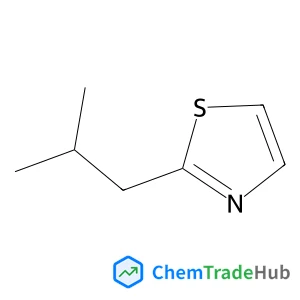
CAS Number
Related Products
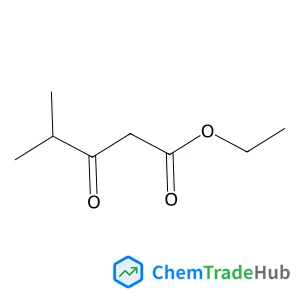
Ethyl 4-methyl-3-oxopentanoate
CAS Number: 7152-15-0
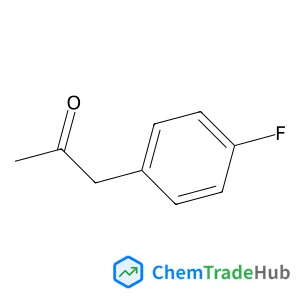
1-(4-Fluorophenyl)acetone
CAS Number: 459-03-0
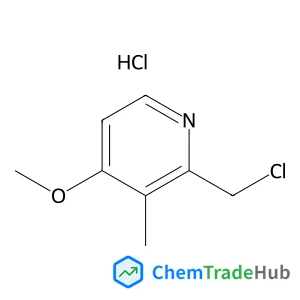
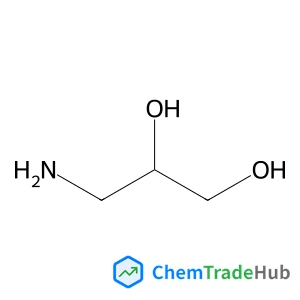
3-Amino-1,2-propanediol
CAS Number: 616-30-8
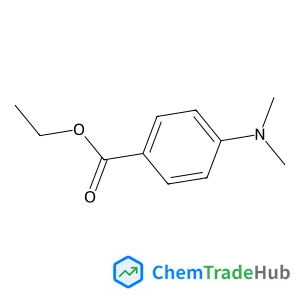
Ethyl 4-(dimethylamino)benzoate
CAS Number: 10287-53-3
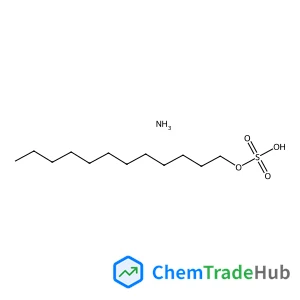
Ammonium dodecyl sulfate
CAS Number: 2235-54-3
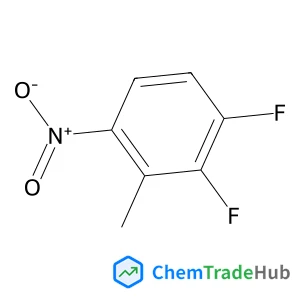
1,2-Difluoro-3-methyl-4-nitrobenzene
CAS Number: 914348-35-9
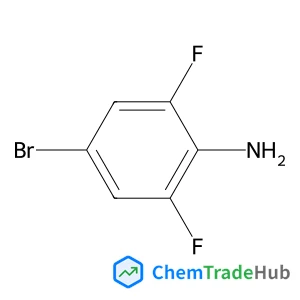
Abemaciclib Impurity 6
CAS Number: 67567-26-4
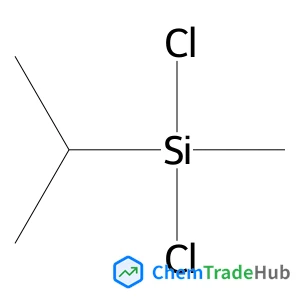
Dichloro(isopropyl)methylsilane
CAS Number: 18236-89-0
Other Suppliers for 2-Isobutyl-1,3-thiazole



Basic Information
Molecular Formula
C7H11NS
Molecular Weight
141.24 g/mol
Physical Properties
Boiling Point
180°C(lit.)
Chemical Identifiers
SMILES
CC(C)Cc1nccs1
InChIKey
CMPVUVUNJQERIT-UHFFFAOYSA-N
Database References
MDL Number
MFCD00005334
Beilstein Registry Number
507823
FAQ
2-Isobutyl-1,3-thiazole (CAS: 18640-74-9) is a colorless to yellowish liquid with a molecular weight of 142.21 g/mol. It has a solubility of 0.25 g/100 mL in water and is soluble in organic solvents like ethanol and acetone. This compound is moderately reactive towards nucleophiles and can form thioesters. It is also known for its characteristic odor similar to sulfur and garlic.
2-Isobutyl-1,3-thiazole (CAS: 18640-74-9) is commonly synthesized via the thiazole coupling reaction between isobutylamine and 2-bromo-4,6-dichloropyrimidine. The reaction is catalyzed by palladium(II) acetate and a ligand such as Xantphos. The yield is around 75-85%, and the method provides good regioselectivity and chemoselectivity.
2-Isobutyl-1,3-thiazole (CAS: 18640-74-9) is used in the pharmaceutical industry as an intermediate for the synthesis of various bioactive compounds. It also finds applications in the polymer industry for modifying the properties of polymers, in the production of sensors for detecting thiols, and in the semiconductor industry as a precursor for thin film deposition.
When handling 2-Isobutyl-1,3-thiazole (CAS: 18640-74-9), ensure to wear appropriate personal protective equipment (PPE) such as gloves, safety goggles, and lab coat. Work in a well-ventilated area or a fume hood to avoid inhalation of vapors. Spills should be cleaned up using appropriate absorbent materials and followed by thorough washing of the area. Always consult the Safety Data Sheet (SDS) for detailed safety guidelines before handling the compound.
Safety Notice
Please verify product specifications and safety data before use. Contact the supplier for detailed safety information.
Always follow proper handling procedures
Contact Information
Contact Person
Yang Qin
1462312301@qq.com