



AD
6-CHLOROPURINE RIBOSIDE(CAS: 2004-06-0)
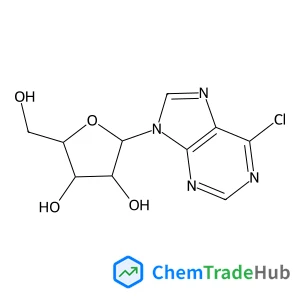
CAS Number
Related Products
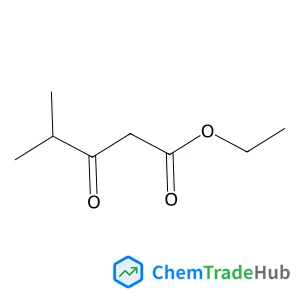
Ethyl 4-methyl-3-oxopentanoate
CAS Number: 7152-15-0
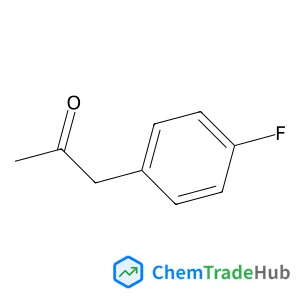
1-(4-Fluorophenyl)acetone
CAS Number: 459-03-0
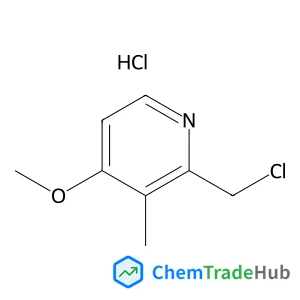

3-Amino-1,2-propanediol
CAS Number: 616-30-8
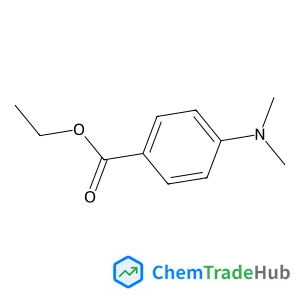
Ethyl 4-(dimethylamino)benzoate
CAS Number: 10287-53-3
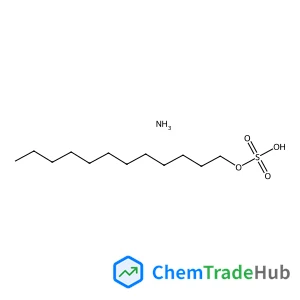
Ammonium dodecyl sulfate
CAS Number: 2235-54-3

1,2-Difluoro-3-methyl-4-nitrobenzene
CAS Number: 914348-35-9

Abemaciclib Impurity 6
CAS Number: 67567-26-4
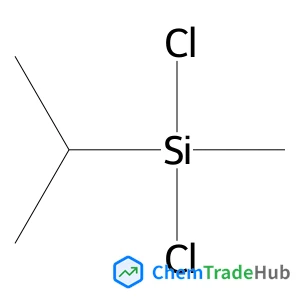
Dichloro(isopropyl)methylsilane
CAS Number: 18236-89-0
Other Suppliers for 6-CHLOROPURINE RIBOSIDE


Basic Information
Molecular Formula
C10H11ClN4O4
Molecular Weight
286.68 g/mol
Physical Properties
Melting Point
161-163 ºC
Boiling Point
614.8°C at 760 mmHg
Flash Point
325.6ºC
Chemical Identifiers
SMILES
C1=NC2=C(C(=N1)Cl)N=CN2C3C(C(C(O3)CO)O)O
InChIKey
XHRJGHCQQPETRH-VTHZCTBJSA-N
Database References
MDL Number
MFCD00005738
Beilstein Registry Number
0040573
FAQ
6-Chloropurine riboside (CAS: 2004-06-0) is a white crystalline solid with a molecular weight of approximately 286.04 g/mol. It has a high solubility in water and is less soluble in organic solvents. This compound is relatively stable but can hydrolyze in basic media. It is used in the synthesis of nucleoside analogs and in pharmaceutical research.
6-Chloropurine riboside is typically synthesized by the condensation of 6-chloropurine with ribose in the presence of a base such as sodium hydride. The reaction involves the formation of an ester linkage between the purine base and the ribose sugar. The yield is generally high, and the method is suitable for preparative scale synthesis.
6-Chloropurine riboside (CAS: 2004-06-0) is primarily used in the pharmaceutical industry for the development of antiviral drugs. It is also utilized in academic research for the study of nucleosides and their biological activities. Additionally, it has potential applications in the synthesis of other nucleoside analogs for therapeutic purposes.
When handling 6-chloropurine riboside (CAS: 2004-06-0), it is important to wear appropriate personal protective equipment (PPE) such as gloves and lab coat. Ensure the work is done in a well-ventilated area or a fume hood to minimize inhalation risks. Spills should be cleaned up immediately using appropriate absorbent materials. Always refer to the Safety Data Sheet (SDS) for detailed safety information and emergency response guidelines.
Safety Notice
Please verify product specifications and safety data before use. Contact the supplier for detailed safety information.
Always follow proper handling procedures
Contact Information
Contact Person
Yang Qin
1462312301@qq.com