



AD
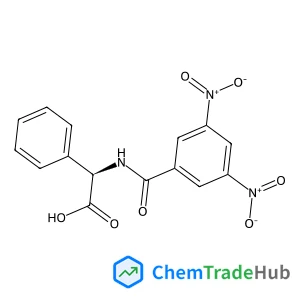
(2R)-Amino(3,5-dinitrophenyl)acetic acid(CAS: 74927-72-3)
CAS Number
Related Products
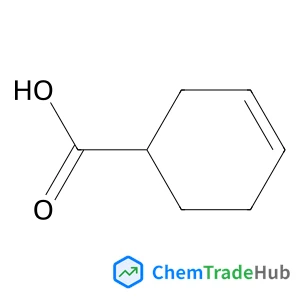
(1S)-3-Cyclohexene-1-carboxylic acid
CAS Number: 5708-19-0
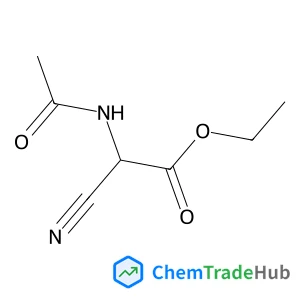
Ethyl Acetamidocyanoacetate
CAS Number: 4977-62-2
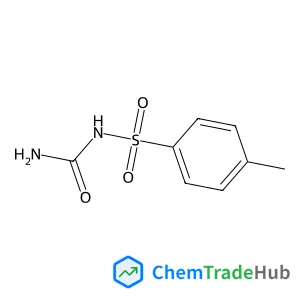
N-Carbamoyl-4-methylbenzenesulfonamide
CAS Number: 1694-06-0
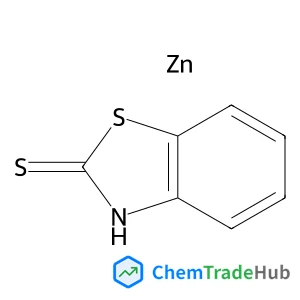
Zinc bis(1,3-benzothiazole-2-thiolate)
CAS Number: 155-04-4
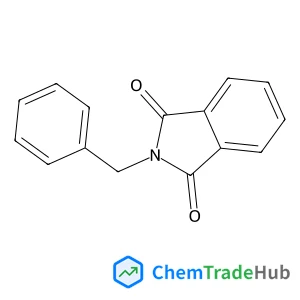
2-Benzyl-1H-isoindole-1,3(2H)-dione
CAS Number: 2142-01-0
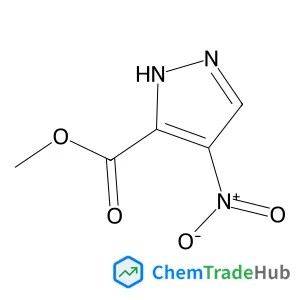
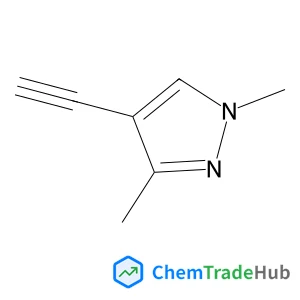
4-Ethynyl-1,3-dimethyl-1H-pyrazole
CAS Number: 61514-53-2
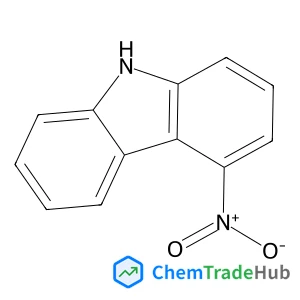
1-Nitro-9H-carbazole
CAS Number: 57905-76-7
Other Suppliers for (2R)-Amino(3,5-dinitrophenyl)acetic acid





Basic Information
Molecular Formula
C8H7N3O6
Molecular Weight
345.26 g/mol
Physical Properties
Melting Point
216-217 °C (lit.)
Boiling Point
480.21°C (rough estimate)
Density
1.3660 (rough estimate)
Flash Point
298.2°C
Chemical Identifiers
SMILES
OC(=O)[C@H](NC(=O)c1cc(cc(c1)[N+](=O)[O-])[N+](=O)[O-])c2ccccc2
InChIKey
UVOWPSUNIJUNGB-SSDOTTSWSA-N
Database References
MDL Number
MFCD00010134
Beilstein Registry Number
4719763
FAQ
(2R)-Amino(3,5-dinitrophenyl)acetic acid is a crystalline solid with a molecular weight of approximately 281.04 g/mol. It has a low solubility in water but is soluble in common organic solvents. The compound is moderately reactive, particularly under acidic conditions, and can undergo nucleophilic substitution reactions.
(2R)-Amino(3,5-dinitrophenyl)acetic acid can be synthesized via the coupling of 3,5-dinitrobenzoic acid and glycine. The reaction typically involves the use of a condensing reagent such as dicyclohexylcarbodiimide (DCC) and 4-(dimethylamino)pyridine (DMAP) as a catalyst. The yield is usually around 70-80%, and the product is isolated by recrystallization.
(2R)-Amino(3,5-dinitrophenyl)acetic acid is primarily used in the pharmaceutical industry for the synthesis of various organic compounds and intermediates. It can also be applied in the polymer industry for the development of functional polymers, and in the sensor industry for the production of chemical sensors due to its unique reactivity.
When handling (2R)-Amino(3,5-dinitrophenyl)acetic acid, proper personal protective equipment (PPE) such as gloves, goggles, and lab coats should be worn. The compound should be stored in a cool, dry place away from sources of heat and ignition. Spills should be cleaned up using appropriate absorbent materials, and the area should be ventilated. Safety data sheets (SDS) should always be consulted for detailed safety information.
Safety Notice
Please verify product specifications and safety data before use. Contact the supplier for detailed safety information.
Always follow proper handling procedures
Contact Information
jacschem@163.com