



AD
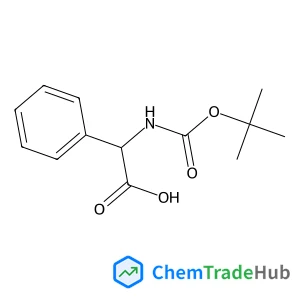
Boc-Phg-OH(CAS: 2900-27-8)
CAS Number
Related Products
![N-[(9H-Fluoren-9-ylmethoxy)carbonyl]-D-norleucine](https://static.chemtradehub.com/structs/112/112883-41-7-6050.webp)
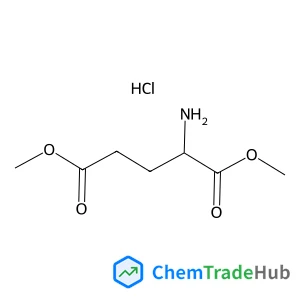
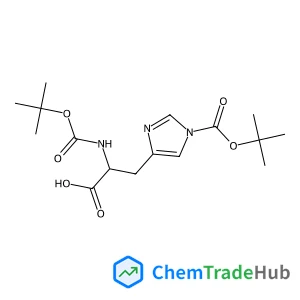
![2-Methyl-2-propanyl N~6~-{[(2-methyl-2-propanyl)oxy]carbonyl}-L-lysinate hydrochloride (1:1)](https://static.chemtradehub.com/structs/132/13288-57-8-81cc.webp)
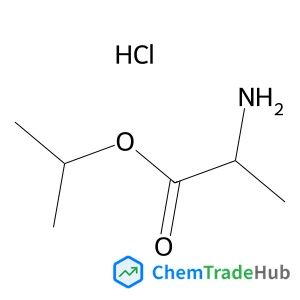
Isopropyl L-alaninate
CAS Number: 39825-33-7
![N-[(9H-Fluoren-9-ylmethoxy)carbonyl]-L-alanine](https://static.chemtradehub.com/structs/356/35661-39-3-2094.webp)
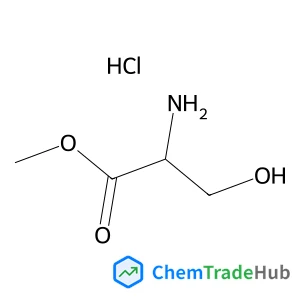
Methyl L-serinate hydrochloride (1:1)
CAS Number: 5680-80-8
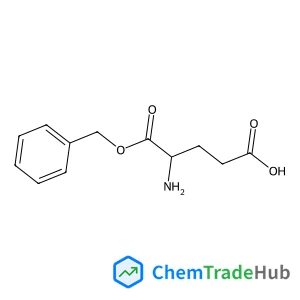
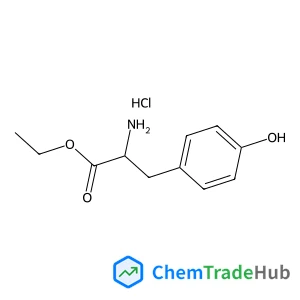
L-Tyrosine Ethyl Ester Hydrochloride
CAS Number: 4089-07-0
Other Suppliers for Boc-Phg-OH





Basic Information
Molecular Formula
C13H17NO4
Molecular Weight
251.28 g/mol
Physical Properties
Melting Point
91.0 to 95.0 deg-C
Boiling Point
407.2℃ at 760 mmHg
Flash Point
200.1°C
Chemical Identifiers
SMILES
CC(C)(C)OC(=O)NC(C1=CC=CC=C1)C(=O)O
InChIKey
HOBFSNNENNQQIU-JTQLQIEISA-N
Database References
MDL Number
MFCD00065588
Beilstein Registry Number
3592362
FAQ
Boc-Phg-OH (CAS: 2900-27-8) is an amino acid derivative used in peptide synthesis as a protecting group. It is also known as 1-[(benzyloxycarbonyl)amino]guanidino-4-hydroxybenzylamine. This compound is widely used in organic chemistry and pharmaceutical research for its ability to modify amino acids during synthetic processes.
Boc-Phg-OH (CAS: 2900-27-8) is primarily used in the synthesis of peptides and proteins. It serves as a protecting group, stabilizing the guanidino function during solid-phase peptide synthesis. This compound is crucial in the development of pharmaceuticals and biotherapeutics, enhancing the efficiency of chemical reactions and protecting functional groups during synthesis.
Boc-Phg-OH (CAS: 2900-27-8) can be handled safely with appropriate precautions. It is important to use personal protective equipment (PPE) such as gloves and safety goggles. Exposure to this compound should be minimized, and it should be stored in a cool, dry place away from direct sunlight. Ensure proper ventilation when handling to avoid inhalation and ingestion risks.
Boc-Phg-OH (CAS: 2900-27-8) should be stored in a cool, dry environment away from direct sunlight and heat sources. It is best kept in a tightly sealed container to prevent moisture absorption. Store at room temperature or in a refrigerator, but avoid freezing to maintain its stability. It is important to keep it away from incompatible materials and ensure good ventilation in the storage area to prevent any potential chemical reactions.
Safety Notice
Please verify product specifications and safety data before use. Contact the supplier for detailed safety information.
Always follow proper handling procedures