



AD
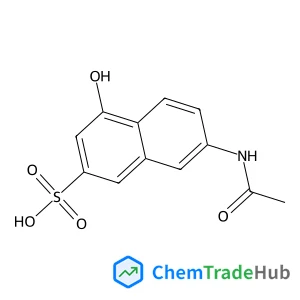
7-Acetamido-4-hydroxy-2-naphthalenesulfonic acid(CAS: 6334-97-0)
CAS Number
Related Products
![2,2'-[(2-Amino-2-oxoethyl)imino]diacetic acid](https://static.chemtradehub.com/structs/262/26239-55-4-b3d0.webp)
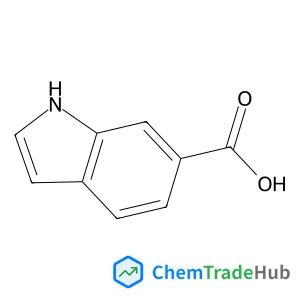
1H-Indole-6-carboxylic acid
CAS Number: 1670-82-2
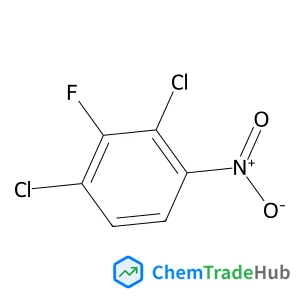
1,3-Dichloro-2-fluoro-4-nitrobenzene
CAS Number: 393-79-3
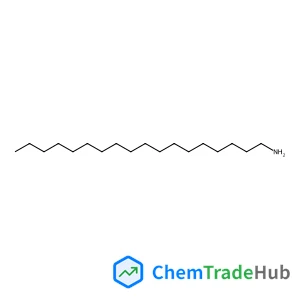
1-Octadecanamine
CAS Number: 124-30-1
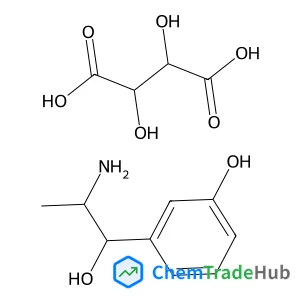
Metaraminol tartrate
CAS Number: 33402-03-8
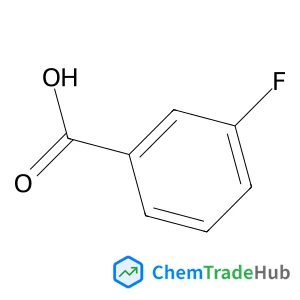
3-Fluorobenzoic acid
CAS Number: 455-38-9
Other Suppliers for 7-Acetamido-4-hydroxy-2-naphthalenesulfonic acid



Basic Information
Molecular Formula
C12H11NO5S
Molecular Weight
281.29 g/mol
Physical Properties
Density
1.581
Chemical Identifiers
SMILES
CC(=O)NC1=CC2=CC(=CC(=C2C=C1)O)S(=O)(=O)O
InChIKey
KKAMNIDZQVXDJV-UHFFFAOYSA-N
Database References
MDL Number
MFCD00800454
FAQ
7-Acetamido-4-hydroxy-2-naphthalenesulfonic acid (CAS: 6334-97-0) is a crystalline solid with a molecular weight of approximately 308.27 g/mol. It is moderately soluble in water and ethanol. The compound is known for its reactivity towards nucleophiles and its ability to form complexes with various metal ions. It has an acidic nature due to the sulfonic acid group and a hydroxyl group which can participate in hydrogen bonding.
7-Acetamido-4-hydroxy-2-naphthalenesulfonic acid is typically synthesized by the sulfonation of 7-acetamido-4-hydroxy-2-naphthoic acid using fuming sulfuric acid in the presence of a catalyst such as aluminum sulfate. The reaction involves the introduction of a sulfonic acid group on the naphthalene ring, followed by the removal of the hydroxyl group to form the sulfonic acid salt. High yield and good selectivity are achieved under controlled conditions.
7-Acetamido-4-hydroxy-2-naphthalenesulfonic acid is used in various industries, including pharmaceuticals, where it serves as a precursor for the synthesis of other compounds. It is also utilized in the production of dyes and pigments, and in the development of sensors and semiconductors. Its applications in polymers and materials science are also expanding due to its unique functional groups.
Proper handling of 7-Acetamido-4-hydroxy-2-naphthalenesulfonic acid (CAS: 6334-97-0) requires the use of personal protective equipment (PPE) such as gloves, safety goggles, and laboratory coats. Spills should be cleaned up by neutralizing with a suitable base and disposing of the material according to local regulations. It is also recommended to work in a well-ventilated area or a fume hood to minimize inhalation risks. Always refer to the Safety Data Sheet (SDS) for specific handling instructions.
Safety Notice
Please verify product specifications and safety data before use. Contact the supplier for detailed safety information.
Always follow proper handling procedures
Contact Information
Contact Person
Pules Han
2186883463@qq.com