



AD
3-Amino-3-(3-hydroxyphenyl)propanoic acid(CAS: 102872-33-3)
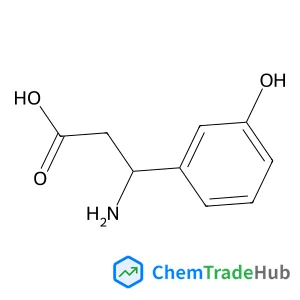
CAS Number
Related Products
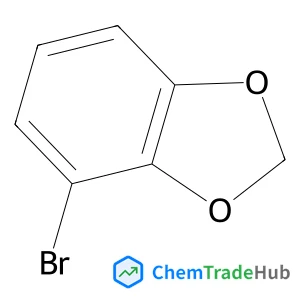
4-Bromo-1,3-benzodioxole
CAS Number: 6698-13-1
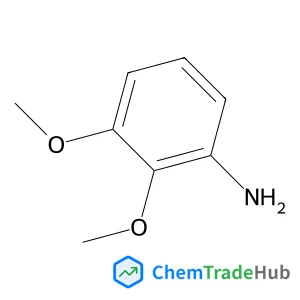
2,3-dimethoxyaniline
CAS Number: 6299-67-8
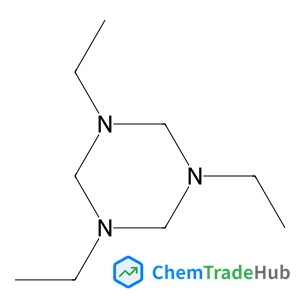
1,3,5-Triethyl-1,3,5-triazinane
CAS Number: 7779-27-3
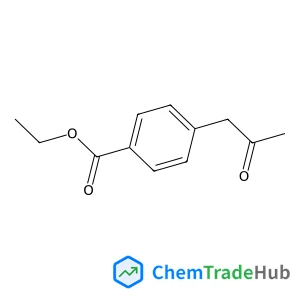
Ethyl 4-(2-oxopropyl)benzoate
CAS Number: 73013-51-1
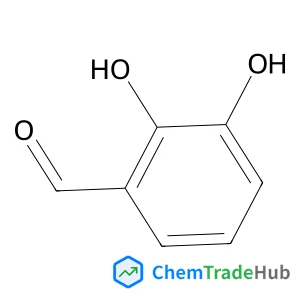
2,3-Dihydroxybenzaldehyde
CAS Number: 24677-78-9
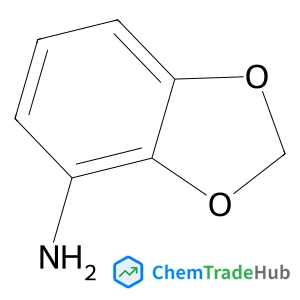
1,3-Benzodioxol-4-amine
CAS Number: 1668-84-4
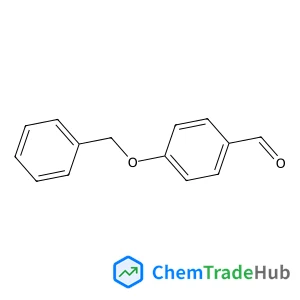
4-(Benzyloxy)benzaldehyde
CAS Number: 4397-53-9
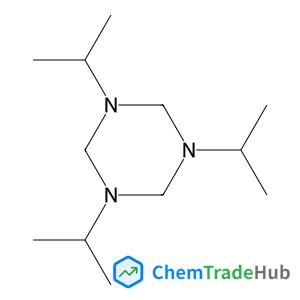
1,3,5-Triisopropyl-1,3,5-triazinane
CAS Number: 10556-98-6
Other Suppliers for 3-Amino-3-(3-hydroxyphenyl)propanoic acid



Basic Information
Molecular Formula
C9H11NO3
Molecular Weight
181.19 g/mol
Physical Properties
Boiling Point
394°Cat760mmHg
Density
1.329
Flash Point
192.1°C
Chemical Identifiers
SMILES
C1=CC(=CC(=C1)O)C(CC(=O)O)N
InChIKey
NYHNEKBZZXSUNO-UHFFFAOYSA-N
Database References
MDL Number
MFCD01871309
FAQ
3-Amino-3-(3-hydroxyphenyl)propanoic acid is a solid crystalline compound with a molecular weight of approximately 226.23 g/mol. It has a melting point around 225-228°C and is slightly soluble in water, with a solubility of about 10 mg/L at 25°C. It is reactive towards bases and nucleophiles. The compound is stable under normal conditions but should be protected from strong acids and bases.
3-Amino-3-(3-hydroxyphenyl)propanoic acid is typically synthesized via the Claisen condensation between 3-hydroxybenzaldehyde and α-amino propionic acid, followed by the removal of the protecting group. Common catalysts include sodium hydroxide or potassium hydroxide, and the reaction is carried out in an aqueous medium. The overall yield is moderate to good, around 70-80%.
3-Amino-3-(3-hydroxyphenyl)propanoic acid finds application in the pharmaceutical industry as an intermediate in the synthesis of various bioactive compounds. It is also used in the production of polymers for biomedical applications and in the development of sensors due to its chemical reactivity and structural characteristics.
When handling 3-Amino-3-(3-hydroxyphenyl)propanoic acid, it is important to wear appropriate personal protective equipment (PPE) such as gloves, goggles, and a lab coat. The compound should be used in a well-ventilated area or a fume hood to prevent inhalation. In case of a spill, it should be cleaned up carefully, and appropriate safety measures should be followed. Refer to the Safety Data Sheet (SDS) for detailed handling instructions and emergency procedures.
Safety Notice
Please verify product specifications and safety data before use. Contact the supplier for detailed safety information.
Always follow proper handling procedures
Contact Information
sales@henrychem.com