



AD
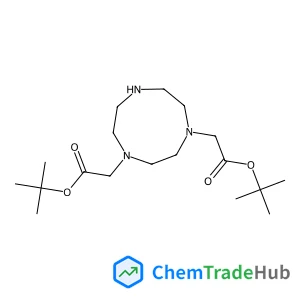
Bis(2-methyl-2-propanyl) 2,2'-(1,4,7-triazonane-1,4-diyl)diacetate(CAS: 174137-97-4)
CAS Number
Related Products
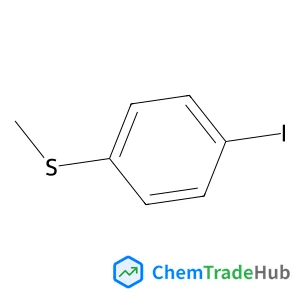
1-Iodo-4-(methylsulfanyl)benzene
CAS Number: 35371-03-0

Dichloro-lambda~2~-plumbane
CAS Number: 7758-95-4
PUMICE STONE
CAS Number: 1332-09-8
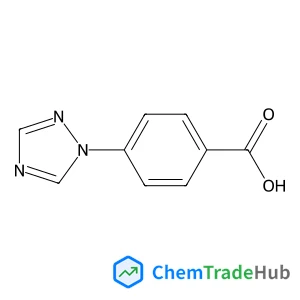
4-(1H-1,2,4-Triazol-1-yl)benzoic acid
CAS Number: 162848-16-0

2,3-Dibromobutane
CAS Number: 5408-86-6
SOYBEAN MEAL
CAS Number: 68308-36-1
![2-Chloro-N-[2-(2,6-dioxo-3-piperidinyl)-1,3-dioxo-2,3-dihydro-1H-isoindol-4-yl]acetamide](https://static.chemtradehub.com/structs/444/444287-84-7-fa4b.webp)
Other Suppliers for Bis(2-methyl-2-propanyl) 2,2'-(1,4,7-triazonane-1,4-diyl)diacetate


Basic Information
Molecular Formula
C18H35N3O4
Molecular Weight
357.49 g/mol
Chemical Identifiers
SMILES
CC(C)(C)OC(=O)CN1CCNCCN(CC1)CC(=O)OC(C)(C)C
InChIKey
KAGBCHRKKXTZOY-UHFFFAOYSA-N
Database References
FAQ
Bis(2-methyl-2-propanyl) 2,2'-(1,4,7-triazonane-1,4-diyl)diacetate is a white crystalline solid with a molecular weight of approximately 324.37 g/mol. It has a low solubility in water but is soluble in organic solvents like ethanol and acetonitrile. The compound is relatively stable, but it is sensitive to strong oxidizing agents. It does not react readily with common reagents but can undergo acid-catalyzed hydrolysis under basic conditions.
Bis(2-methyl-2-propanyl) 2,2'-(1,4,7-triazonane-1,4-diyl)diacetate is usually synthesized through an acetylation reaction of 2,2'-bi(1,4,7-triazonane) with 2-methyl-2-propanol in the presence of an acidic catalyst such as sulfuric acid. The reaction is conducted at a temperature of around 60°C, and the product is isolated by recrystallization from a suitable solvent. The yield is typically around 85-90%.
Bis(2-methyl-2-propanyl) 2,2'-(1,4,7-triazonane-1,4-diyl)diacetate is primarily used in the pharmaceutical and polymer industries. It serves as a key intermediate in the synthesis of various medicinals and is also used in the production of polyurethane-based materials. Additionally, it has applications in the development of sensors and electronic devices due to its unique chemical properties.
Handling Bis(2-methyl-2-propanyl) 2,2'-(1,4,7-triazonane-1,4-diyl)diacetate requires appropriate personal protective equipment (PPE), including gloves, safety glasses, and a lab coat. The compound should be handled in a well-ventilated area or under a fume hood to minimize exposure. Spills should be cleaned up using appropriate absorbent materials, and proper disposal methods should be followed. Always refer to the safety data sheet (SDS) for detailed handling and emergency procedures.
Safety Notice
Please verify product specifications and safety data before use. Contact the supplier for detailed safety information.
Always follow proper handling procedures
Contact Information
Contact Person
Ludu
order@canspecsci.com