



AD
4-Chloro-3-methoxy-2-methylpyridine 1-oxide(CAS: 122307-41-9)
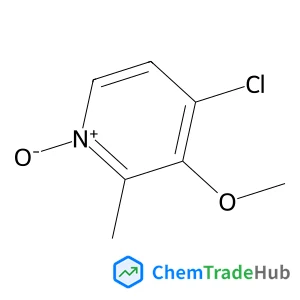
CAS Number
Related Products
![3-[4-Fluoro-2-(trifluoromethyl)phenyl]propanoic acid](https://static.chemtradehub.com/structs/916/916420-73-0-ee37.webp)

2-(4-Fluorobenzyl)-5-pyrimidinamine
CAS Number: 1152557-45-3

![Methyl [4-cyano-3-(3-thienyl)-1H-pyrazol-1-yl]acetate](https://static.chemtradehub.com/structs/209/2098083-01-1-68bf.webp)
![3-[4-Cyclopentyl-5-(methylsulfanyl)-4H-1,2,4-triazol-3-yl]-1-propanamine hydroiodide (1:1)](https://static.chemtradehub.com/structs/119/1197609-28-1-10f2.webp)
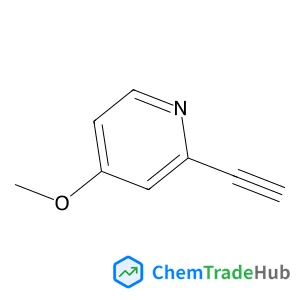
2-Ethynyl-4-methoxypyridine
CAS Number: 1211533-95-7

N-Cyclopropyl-1H-benzimidazol-2-amine
CAS Number: 941266-08-6


4-AMINO-6-FLUORO-3-IODO (1H)INDAZOLE
CAS Number: 885523-02-4
Other Suppliers for 4-Chloro-3-methoxy-2-methylpyridine 1-oxide





Basic Information
Molecular Formula
C7H8ClNO2
Molecular Weight
173.6 g/mol
Physical Properties
Melting Point
98.0 to 102.0 deg-C
Chemical Identifiers
SMILES
CC1=[N+](C=CC(=C1OC)Cl)[O-]
InChIKey
TWXMQDRFBLSXFN-UHFFFAOYSA-N
Database References
MDL Number
MFCD03093995
FAQ
4-Chloro-3-methoxy-2-methylpyridine 1-oxide (CAS: 122307-41-9) is a crystalline solid with a molecular weight of approximately 208.02 g/mol. It has a melting point of about 113-115°C and is slightly soluble in water. This compound is known for its reactivity towards nucleophiles and electrophiles, making it useful in organic synthesis. It can form stable solutions in organic solvents like ethanol and acetone.
4-Chloro-3-methoxy-2-methylpyridine 1-oxide (CAS: 122307-41-9) is typically synthesized through the methylation of 4-chloro-3-methoxy-2-pyridinecarbaldehyde followed by oxidation. This involves the use of methyl iodide and a strong base, such as sodium hydride, in an organic solvent. The reaction is conducted at room temperature, and the final product is obtained by oxidizing the intermediate with potassium permanganate or a similar oxidizing agent.
4-Chloro-3-methoxy-2-methylpyridine 1-oxide (CAS: 122307-41-9) is primarily used in the pharmaceutical, pesticide, and fine chemical industries. It serves as a precursor for the synthesis of various drugs and agrochemicals. Its application in the pharmaceutical industry includes the production of APIs (active pharmaceutical ingredients) and intermediates for drug synthesis. It is also utilized in the development of new pesticides and herbicides.
When handling 4-Chloro-3-methoxy-2-methylpyridine 1-oxide (CAS: 122307-41-9), it is essential to wear appropriate personal protective equipment (PPE), including gloves, safety goggles, and a lab coat. This compound should be stored in a cool, well-ventilated area away from heat sources, as it is sensitive to moisture and may decompose. Handling should be done in a fume hood to minimize exposure to vapors. In case of spill, avoid inhalation and contact with skin or eyes. Consult the Safety Data Sheet (SDS) for detailed emergency procedures.
Safety Notice
Please verify product specifications and safety data before use. Contact the supplier for detailed safety information.
Always follow proper handling procedures
Contact Information
3641133981@qq.com