



AD
Histidine(CAS: 71-00-1)
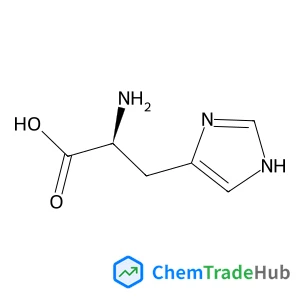
CAS Number
Related Products
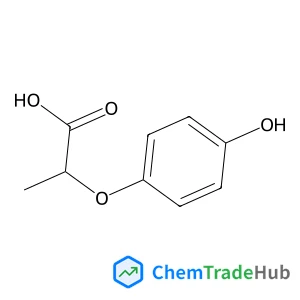
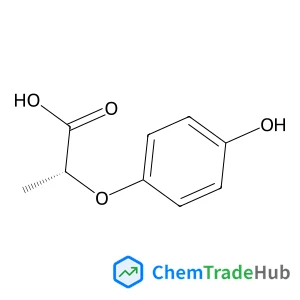
2-(4-Hydroxyphenoxy)propanoic acid
CAS Number: 67648-61-7
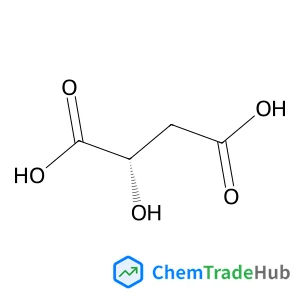
(2S)-2-Hydroxysuccinic acid
CAS Number: 97-67-6
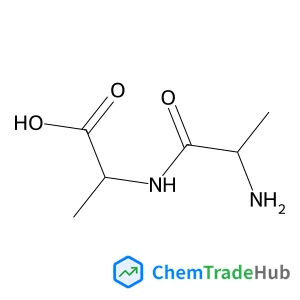
D-alanyl-D-alanine
CAS Number: 923-16-0
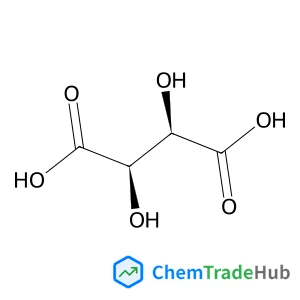
(2R,3R)-2,3-Dihydroxysuccinic acid
CAS Number: 87-69-4
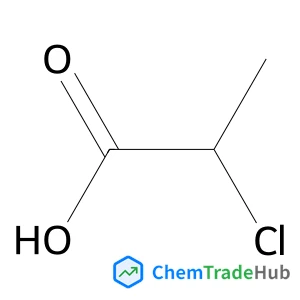
(R)-(+)-2-Chloropropionic Acid
CAS Number: 7474-05-7
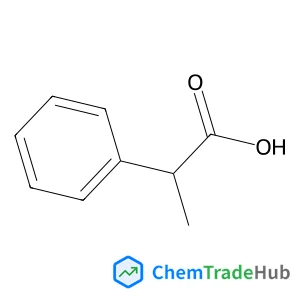
(2R)-2-Phenylpropanoic acid
CAS Number: 7782-26-5
2,4-Dihydroxybenzoic acid
CAS Number: 89-86-1
(2S)-2-Phenylpropanoic acid
CAS Number: 7782-24-3
Other Suppliers for Histidine


Basic Information
Molecular Formula
C6H9N3O2
Molecular Weight
155.16 g/mol
Physical Properties
Melting Point
282 °C (dec.) (lit.)
Boiling Point
278.95°C (rough estimate)
Density
1.3092 (rough estimate)
Flash Point
282oC
Water Solubility
41.6 g/L (25 ºC)
Chemical Identifiers
SMILES
N[C@@H](Cc1c[nH]cn1)C(=O)O
InChIKey
HNDVDQJCIGZPNO-YFKPBYRVSA-N
Database References
MDL Number
MFCD00064315
Beilstein Registry Number
4673585
FAQ
Histidine is an essential amino acid with the chemical formula C6H9N3O2. It plays a critical role in protein synthesis and is involved in various physiological functions, including pH regulation and neurotransmitter production. Histidine is also a precursor for histamine, a compound important in immune responses and digestion. It is commonly found in foods like meat, fish, and dairy and is used in pharmaceuticals and nutritional supplements. Its unique properties make it valuable in both biological and industrial contexts.
Histidine has diverse applications. It is used in pharmaceuticals as a buffer and in drug formulations to stabilize active ingredients. In the food industry, it serves as a flavor enhancer and nutrient supplement. It is also essential in research for studying protein structure and function. Additionally, histidine is used in the production of histamine, which is important in medical treatments and food preservation. Its role in human health makes it a key component in dietary and therapeutic products.
Histidine is generally safe when consumed in appropriate amounts through food or supplements. It is considered non-toxic and well-tolerated by the human body. However, high doses may cause side effects such as gastrointestinal discomfort. In industrial settings, proper handling and protective measures are recommended to avoid skin or respiratory irritation. Safety standards ensure its use in food, medicine, and research is controlled and appropriate.
Histidine should be stored in a cool, dry, and dark place to maintain its stability and prevent degradation. It is best kept in airtight containers to avoid moisture and contamination. The ideal storage temperature is below 25°C, with low humidity levels. Exposure to light and air should be minimized. Proper storage is essential for preserving the compound's quality and effectiveness in pharmaceutical, food, and research applications.
Safety Notice
Please verify product specifications and safety data before use. Contact the supplier for detailed safety information.
Always follow proper handling procedures
Contact Information
julius.webber@scienlead.cn