



AD
2-Propanamine(CAS: 75-31-0)
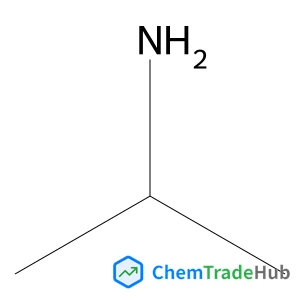
CAS Number
Related Products
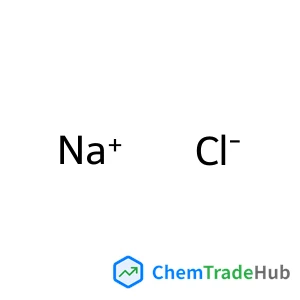
Sodium chloride
CAS Number: 7647-14-5
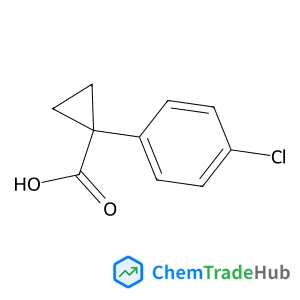
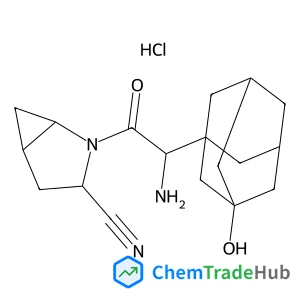
Saxagliptin Hydrochloride
CAS Number: 709031-78-7
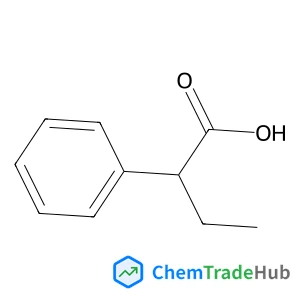
2-Phenylbutanoic acid
CAS Number: 90-27-7
![(1S)-1,5-Anhydro-1-(4-chloro-3-{4-[(3S)-tetrahydro-3-furanyloxy]benzyl}phenyl)-D-glucitol](https://static.chemtradehub.com/structs/864/864070-44-0-398a.webp)
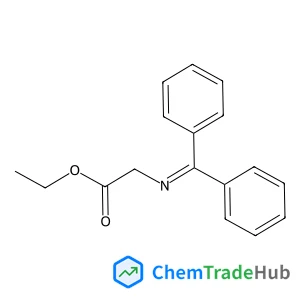
Ethyl N-(diphenylmethylene)glycinate
CAS Number: 69555-14-2
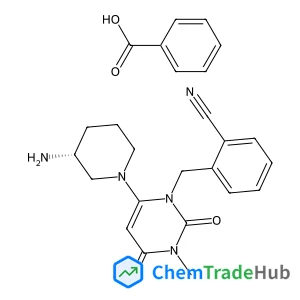
Alogliptin Benzoate
CAS Number: 850649-62-6
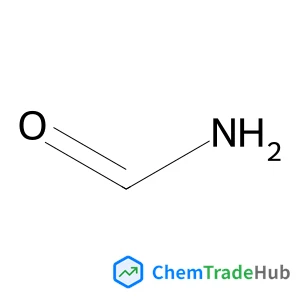
Other Suppliers for 2-Propanamine

Basic Information
Molecular Formula
C3H9N
Molecular Weight
59.11 g/mol
Physical Properties
Melting Point
-95°C(lit.)
Boiling Point
33-34 °C(lit.)
Density
0.688 g/mL at 20 °C(lit.)
Chemical Identifiers
SMILES
CC(C)N
InChIKey
JJWLVOIRVHMVIS-UHFFFAOYSA-N
Database References
MDL Number
MFCD00008082
Beilstein Registry Number
605259
FAQ
2-Propanamine (CAS: 75-31-0) is regulated under the Globally Harmonized System of Classification and Labelling of Chemicals (GHS) as a skin irritant and a toxic substance. It is also subject to the REACH regulations in the European Union, requiring registration for quantities above 1 ton per year. The Food and Drug Administration (FDA) and the Environmental Protection Agency (EPA) in the U.S. have specific labeling and handling requirements for this compound, especially in the context of pharmaceuticals and cosmetics.
2-Propanamine (CAS: 75-31-0) can be synthesized from other compounds like 2-propanol. However, alternatives such as morpholine and piperidine are sometimes used as they offer similar amine functionality with different reactivity. These alternatives can provide safer working conditions and reduced toxicity in certain applications.
The market for 2-Propanamine (CAS: 75-31-0) is growing due to its use in pharmaceuticals and personal care products. Research trends are focusing on its application in drug development and as a precursor in synthetic chemistry. There is also increasing interest in developing more sustainable and environmentally friendly synthesis methods to reduce the environmental impact of its production and use.
Waste containing 2-Propanamine (CAS: 75-31-0) should be collected in a leak-proof container and stored in a well-ventilated area away from sources of ignition. It should be disposed of through a professional hazardous waste disposal service that adheres to local regulations. Proper incineration or chemical treatment is recommended to ensure complete degradation of the compound and to minimize environmental impact.
Safety Notice
Please verify product specifications and safety data before use. Contact the supplier for detailed safety information.
Always follow proper handling procedures
Contact Information
tianyukanghong@163.com