



AD
Bis(2-oxiranylmethyl) 4-cyclohexene-1,2-dicarboxylate(CAS: 21544-03-6)

CAS Number
Related Products
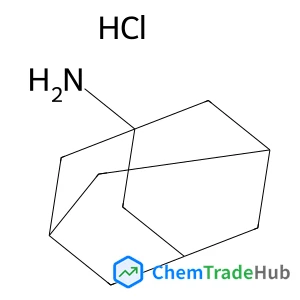
1-Amino Adamantane HCl (Amantadine HCl)
CAS Number: 665-66-7
![3-[9-({4-[(2,5-Dioxo-1-pyrrolidinyl)oxy]-4-oxobutyl}[(4-methylphenyl)sulfonyl]carbamoyl)-10-acridiniumyl]-1-propanesulfonate](https://static.chemtradehub.com/structs/199/199293-83-9-e07b.webp)
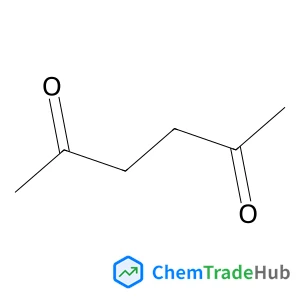
2,5-Hexanedione
CAS Number: 110-13-4
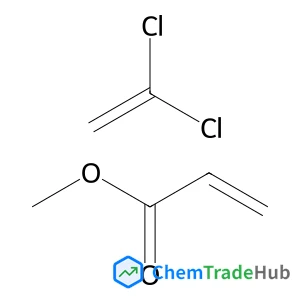
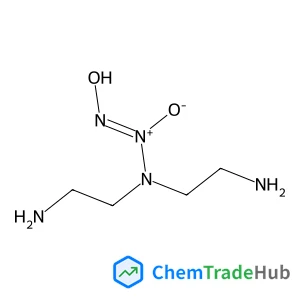
DETA NONOate
CAS Number: 146724-94-9

Triethylamine hydrobromide
CAS Number: 636-70-4
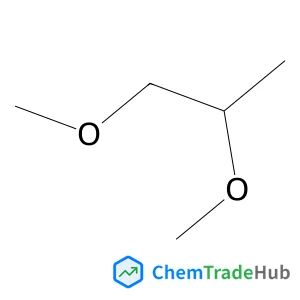
1,2-Dimethoxypropane
CAS Number: 7778-85-0
![Methyl 5-methyl-4-oxo-1,4-dihydropyrrolo[2,1-f][1,2,4]triazine-6-carboxylate](https://static.chemtradehub.com/structs/310/310431-29-9-3e32.webp)
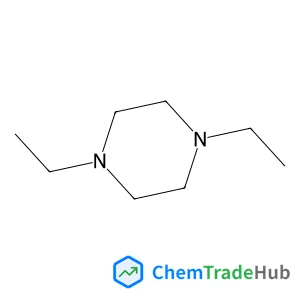
1,4-Diethylpiperazine
CAS Number: 6483-50-7
Other Suppliers for Bis(2-oxiranylmethyl) 4-cyclohexene-1,2-dicarboxylate



Basic Information
Molecular Formula
C14H18O6
Molecular Weight
282.29 g/mol
Chemical Identifiers
SMILES
C1C=CCC(C1C(=O)OCC2CO2)C(=O)OCC3CO3
InChIKey
KTPIWUHKYIJBCR-UHFFFAOYSA-N
Database References
MDL Number
MFCD00209575
FAQ
Bis(2-oxiranylmethyl) 4-cyclohexene-1,2-dicarboxylate (CAS: 21544-03-6) is a solid at room temperature. Its molecular weight is approximately 268.36 g/mol. It has limited solubility in water but is soluble in organic solvents like methylene chloride. This compound is reactive, particularly with nucleophiles due to the presence of oxirane rings and carboxylic acid groups.
Bis(2-oxiranylmethyl) 4-cyclohexene-1,2-dicarboxylate (CAS: 21544-03-6) can be synthesized via a two-step process. First, the 4-cyclohexene-1,2-dicarboxylic acid is reacted with epichlorohydrin to form the oxirane derivatives. Then, these derivatives are coupled to form the bis(2-oxiranylmethyl) derivative. Commonly used catalysts include triphenylphosphine and 4-dimethylaminopyridine, and the yield is typically over 90%.
Bis(2-oxiranylmethyl) 4-cyclohexene-1,2-dicarboxylate (CAS: 21544-03-6) is used in various industries. It is particularly valuable in the pharmaceutical sector for the synthesis of complex compounds. It is also utilized in the polymer industry to enhance material properties. Additionally, it finds applications in the production of sensors and semiconductors due to its reactive functional groups.
When handling Bis(2-oxiranylmethyl) 4-cyclohexene-1,2-dicarboxylate (CAS: 21544-03-6), it is important to use personal protective equipment (PPE) such as gloves, goggles, and a lab coat. Work should be conducted in a fume hood to minimize exposure. Spills should be cleaned up with appropriate absorbent materials, and any waste should be disposed of according to local regulations. For detailed safety information, refer to the Safety Data Sheet (SDS) available from the manufacturer.
Safety Notice
Please verify product specifications and safety data before use. Contact the supplier for detailed safety information.
Always follow proper handling procedures

Contact Information
Contact Person
Wan Li Rui
1400858822@qq.com
Mobile
13986212397
Telephone
027-59220433
Fax
027-59220433
Visit Website
http://www.hbchenghai.comAddress
Hubei Province Tianmen City Huangtan Town Yaite Village, Group 3