



AD
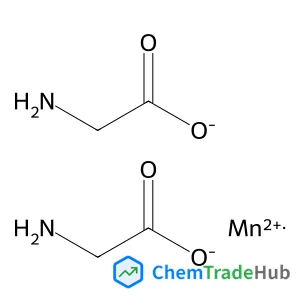
Manganese(2+) bis(aminoacetate)(CAS: 14281-77-7)
CAS Number
Related Products
Bile extract
CAS Number: 8008-63-7
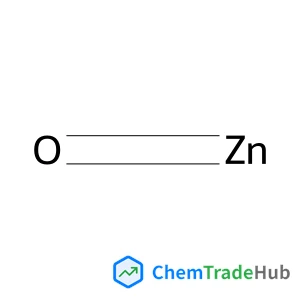
Zinc oxide
CAS Number: 1314-13-2
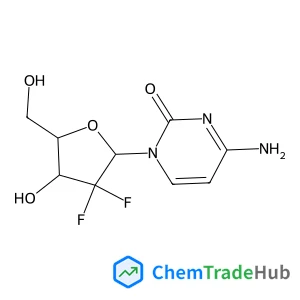
Gemcitabine
CAS Number: 95058-81-4
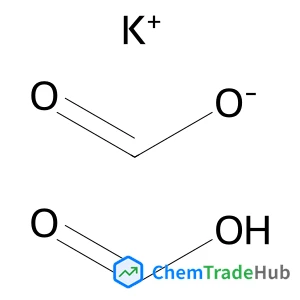
Potassium diformate
CAS Number: 20642-05-1
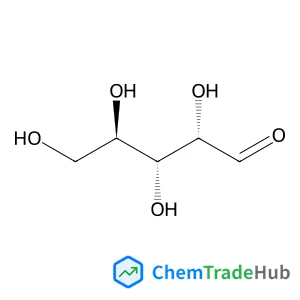
D-Arabinose
CAS Number: 9032-75-1
![sodium 3-oxo-3H-benzo[d]isothiazol-2-ide 1,1-dioxide dihydrate](https://static.chemtradehub.com/structs/615/6155-57-3-3239.webp)
Lysozyme from chicken egg white
CAS Number: 12650-88-3
Other Suppliers for Manganese(2+) bis(aminoacetate)






Basic Information
Molecular Formula
C4H8MnN2O4
Molecular Weight
203.06 g/mol
Chemical Identifiers
SMILES
C(C(=O)[O-])N.C(C(=O)[O-])N.[Mn+2]
InChIKey
JNMKPXXKHWQWFB-UHFFFAOYSA-L
Database References
MDL Number
MFCD07780328
FAQ
Manganese(2+) bis(aminoacetate) (CAS: 14281-77-7) is regulated under the Globally Harmonized System of Classification and Labelling of Chemicals (GHS), which includes classification for health hazards and environmental risks. It is also subject to regulatory requirements under REACH in the European Union, which involves registration, evaluation, and authorization of chemical substances. In the United States, it must comply with FDA and EPA regulations, including proper labeling and documentation for handling and disposal.
There are several alternatives to Manganese(2+) bis(aminoacetate) (CAS: 14281-77-7) in synthesis, including other chelated manganese compounds such as manganese(II) gluconate or manganese(II) citrate. These alternatives can be used depending on the specific requirements of the reaction, such as solubility, reactivity, and stability. Additionally, other transition metal complexes or inorganic salts can serve as effective substitutes in various chemical processes.
The market for Manganese(2+) bis(aminoacetate) (CAS: 14281-77-7) is growing due to increasing demand in pharmaceutical and medical applications, particularly in the development of chelation therapy for metal poisoning. Research trends are focusing on its use as a manganese source in biotechnology and as a stabilizer in food and cosmetics. The compound is also being explored for its potential in environmental remediation and catalytic applications.
Waste containing Manganese(2+) bis(aminoacetate) (CAS: 14281-77-7) should be collected in appropriate containers and labeled with the correct hazardous waste markings. It should then be stored away from incompatible materials and in a safe area. The waste should be disposed of through professional waste disposal services that are compliant with local regulations. Incineration or other environmentally friendly disposal methods may be used, provided they meet the necessary emissions standards and safety protocols.
Safety Notice
Please verify product specifications and safety data before use. Contact the supplier for detailed safety information.
Always follow proper handling procedures
Contact Information
yf101@yccreate.com