



AD
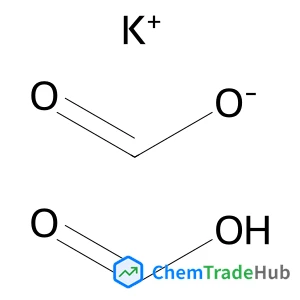
Potassium diformate(CAS: 20642-05-1)
CAS Number
Related Products
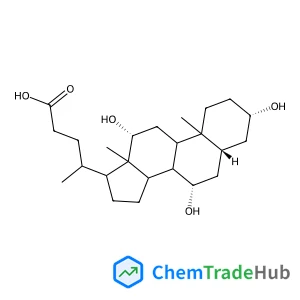
Bile extract
CAS Number: 8008-63-7

Zinc oxide
CAS Number: 1314-13-2

Gemcitabine
CAS Number: 95058-81-4
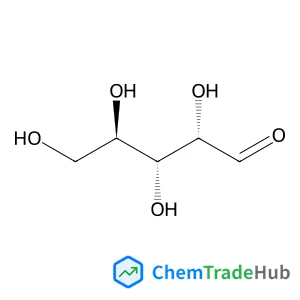
D-Arabinose
CAS Number: 9032-75-1
![sodium 3-oxo-3H-benzo[d]isothiazol-2-ide 1,1-dioxide dihydrate](https://static.chemtradehub.com/structs/615/6155-57-3-3239.webp)
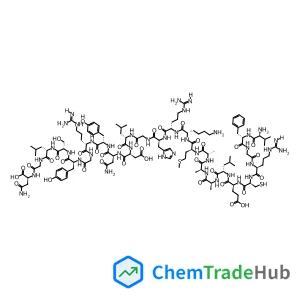
Lysozyme from chicken egg white
CAS Number: 12650-88-3
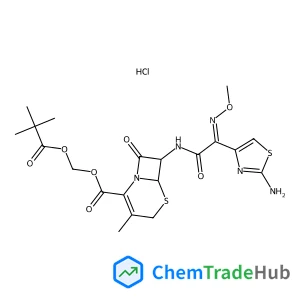
Cefetamet pivoxil hydrochloride
CAS Number: 111696-23-2
Other Suppliers for Potassium diformate


Basic Information
Molecular Formula
C2H3KO4
Molecular Weight
130.14 g/mol
Physical Properties
Melting Point
108.6°
Chemical Identifiers
SMILES
C(=O)O.C(=O)[O-].[K+]
InChIKey
BINNZIDCJWQYOH-UHFFFAOYSA-M
Database References
MDL Number
MFCD08460204
FAQ
Potassium diformate (CAS: 20642-05-1) is subject to various regulatory guidelines under the GHS (Globally Harmonized System of Classification and Labeling of Chemicals) for classification and labeling. It is also regulated under REACH (Registration, Evaluation, Authorization and Restriction of Chemicals) in the European Union, requiring detailed safety data sheets (SDS) and registration if imported or manufactured in certain quantities. The FDA and EPA may also have specific requirements for its use in the United States, such as classification as a pesticide or drug ingredient.
Several alternatives to Potassium diformate (CAS: 20642-05-1) are available in synthesis, depending on the specific reaction conditions and desired outcomes. Common alternatives include sodium diformate, formic acid, and diethylformamide. These compounds can serve similar functional roles in certain reactions, although their efficacy and selectivity may vary.
The market for Potassium diformate (CAS: 20642-05-1) is growing with increasing research interest due to its versatile applications in chemical synthesis and environmental remediation. Recent trends indicate a rise in demand for its use in developing more sustainable and environmentally friendly processes. Moreover, research into its potential uses in catalysis and as a key component in green chemistry is gaining momentum.
Waste containing Potassium diformate (CAS: 20642-05-1) should be handled according to local regulations and safety guidelines. Collect waste in appropriate containers and ensure it is properly labeled. Incineration is a common method for disposing of such waste, but professional waste disposal services should be used to ensure compliance with environmental protection standards. Always follow safety precautions to prevent exposure and ensure proper disposal to minimize environmental impact.
Safety Notice
Please verify product specifications and safety data before use. Contact the supplier for detailed safety information.
Always follow proper handling procedures
Contact Information
yf101@yccreate.com