



AD
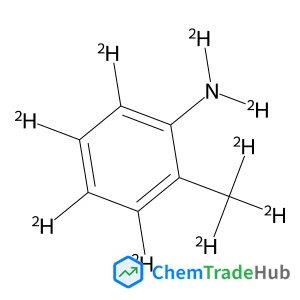
2-(~2~H_3_)Methyl(~2~H_6_)aniline(CAS: 194423-47-7)
CAS Number
Related Products
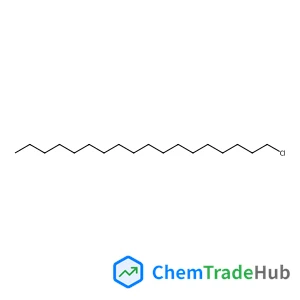
1-Chlorooctadecane
CAS Number: 3386-33-2
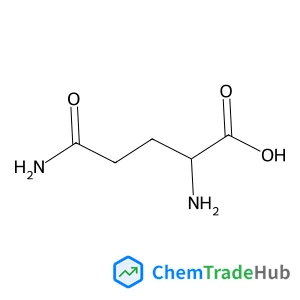

Tributyl phosphate
CAS Number: 126-73-8
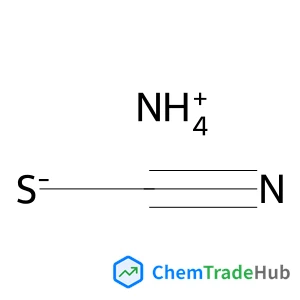
Ammonium thiocyanate
CAS Number: 1762-95-4
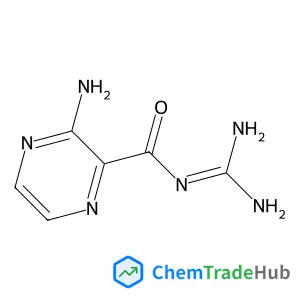
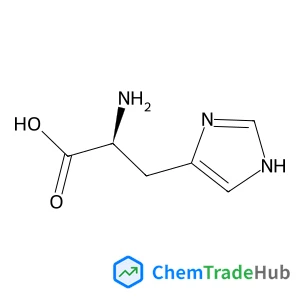
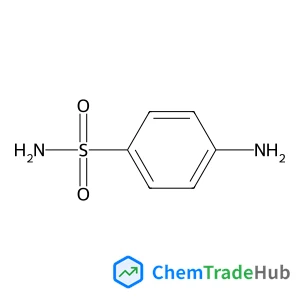
4-Aminobenzenesulfonamide
CAS Number: 63-74-1
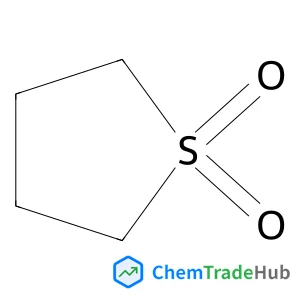
Tetrahydrothiophene 1,1-dioxide
CAS Number: 126-33-0

Dicyclohexyl phthalate
CAS Number: 84-61-7
Other Suppliers for 2-(~2~H_3_)Methyl(~2~H_6_)aniline



Basic Information
Molecular Formula
C7D9N
Molecular Weight
116.21 g/mol
Chemical Identifiers
SMILES
[2H]C1=C(C(=C(C(=C1[2H])C([2H])([2H])[2H])N([2H])[2H])[2H])[2H]
InChIKey
RNVCVTLRINQCPJ-LLZDZVHOSA-N
Database References
MDL Number
MFCD01074152
FAQ
2-(~2~H_3_)Methyl(~2~H_6_)aniline (CAS: 194423-47-7) is a white crystalline solid with a molecular weight of approximately 194.2 g/mol. It is slightly soluble in water but soluble in common organic solvents like ethanol and acetone. Chemically, it is relatively stable but can undergo substitution reactions. It is used as a precursor in the synthesis of various compounds and materials.
2-(~2~H_3_)Methyl(~2~H_6_)aniline (CAS: 194423-47-7) is typically synthesized via a coupling reaction between 2-(~2~H_3_)methylbenzene and aniline. The reaction is catalyzed by palladium complexes, and the process involves mild conditions to achieve high selectivity and yield. This method ensures a clean product with minimal impurities.
2-(~2~H_3_)Methyl(~2~H_6_)aniline (CAS: 194423-47-7) is used in the pharmaceutical industry for the synthesis of certain drugs, in polymer industry as a precursor for polymers, and in the development of sensors and semiconductors. Its ability to form stable compounds makes it a valuable reagent in these fields.
What precautions should be taken when handling 2-(~2~H_3_)Methyl(~2~H_6_)aniline (CAS: 194423-47-7)?
When handling 2-(~2~H_3_)Methyl(~2~H_6_)aniline (CAS: 194423-47-7), it is essential to use personal protective equipment (PPE) such as gloves, goggles, and a lab coat. Store it in a cool, dry place away from direct sunlight and heat sources. Always use a fume hood during synthesis or handling. In case of spill, clean up using appropriate absorbents and follow proper waste disposal procedures. Always consult the Safety Data Sheet (SDS) for detailed guidelines.
Safety Notice
Please verify product specifications and safety data before use. Contact the supplier for detailed safety information.
Always follow proper handling procedures
Contact Information
Contact Person
Nie Hengwei