



AD
2-Benzyl-4,4,5,5-tetramethyl-1,3,2-dioxaborolane(CAS: 87100-28-5)
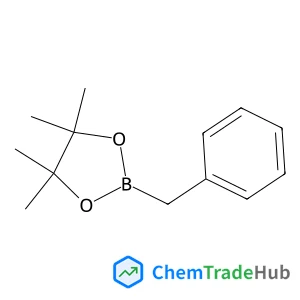
CAS Number
Related Products
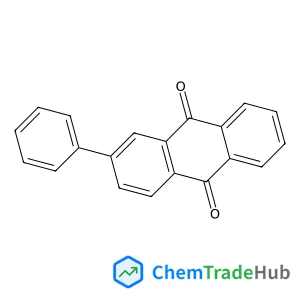
2-Phenyl-9,10-anthraquinone
CAS Number: 6485-97-8
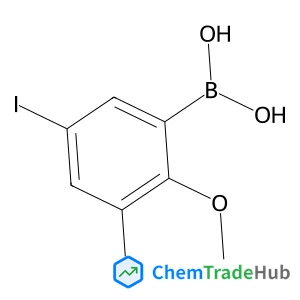
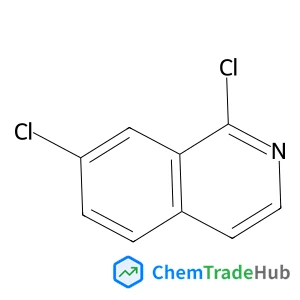
1,7-Dichloroisoquinoline
CAS Number: 70810-24-1
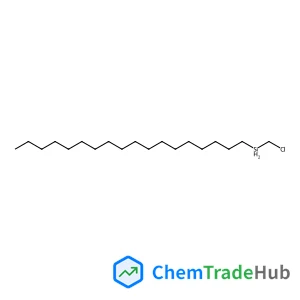
Silane, chloromethyloctadecyl-
CAS Number: 124694-97-9
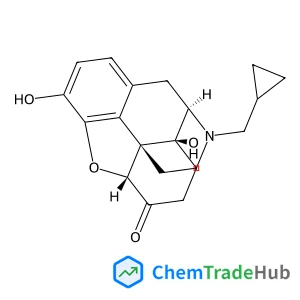
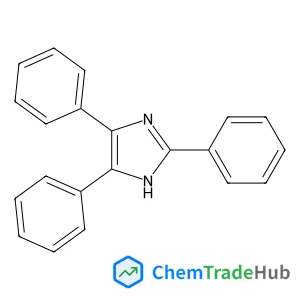
2,4,5-Triphenyl-1H-imidazole
CAS Number: 484-47-9
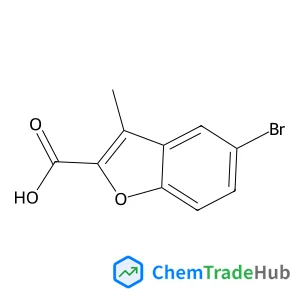
![[4-(Difluoromethoxy)phenyl]acetonitrile](https://static.chemtradehub.com/structs/414/41429-16-7-ae43.webp)
Other Suppliers for 2-Benzyl-4,4,5,5-tetramethyl-1,3,2-dioxaborolane







Basic Information
Molecular Formula
C13H19BO2
Molecular Weight
218.11 g/mol
Physical Properties
Melting Point
No data available
Boiling Point
65 °C/0.15 mmHg
Density
0.980 g/mL at 25 °C
Water Solubility
Insoluble in water.
Chemical Identifiers
SMILES
CC1(C)OB(Cc2ccccc2)OC1(C)C
InChIKey
YCNQPAVKQPLZRS-UHFFFAOYSA-N
Database References
MDL Number
MFCD05663841
FAQ
2-Benzyl-4,4,5,5-tetramethyl-1,3,2-dioxaborolane is a colorless, crystalline compound with a molecular weight of approximately 220.26 g/mol. It has a low solubility in water but is soluble in organic solvents like acetone and dichloromethane. The compound is known for its reactivity in boron-containing reactions, particularly in Suzuki coupling reactions, where it acts as a boronate ester precursor.
2-Benzyl-4,4,5,5-tetramethyl-1,3,2-dioxaborolane is commonly synthesized via the reaction of 2-benzyl-4,4,5,5-tetramethyl-1,3,2-dioxaborolane-2-yl triflate with sodium borohydride. The reaction typically requires a strong base like sodium hydride or lithium hexamethyldisilazide as a catalyst. The yield is generally around 70-80%, and the product is isolated by column chromatography.
2-Benzyl-4,4,5,5-tetramethyl-1,3,2-dioxaborolane is widely used in the pharmaceutical industry for the synthesis of various biologically active compounds. It is also utilized in the polymer industry for the production of functional polymers, and in the semiconductor industry for the preparation of advanced materials. Additionally, it has applications in sensor technology for detecting specific chemical species.
When handling 2-Benzyl-4,4,5,5-tetramethyl-1,3,2-dioxaborolane, it is essential to use personal protective equipment (PPE) such as gloves, goggles, and a lab coat. Work should be conducted in a well-ventilated fume hood to minimize exposure. Spills should be cleaned up using appropriate absorbent materials, and the area should be thoroughly ventilated before cleanup. Always consult the safety data sheet (SDS) for detailed safety information and emergency procedures.
Safety Notice
Please verify product specifications and safety data before use. Contact the supplier for detailed safety information.
Always follow proper handling procedures
Contact Information
Contact Person
Li Jun
2801519207@qq.com