



AD
Methyl D-valinate hydrochloride (1:1)(CAS: 21685-47-2)
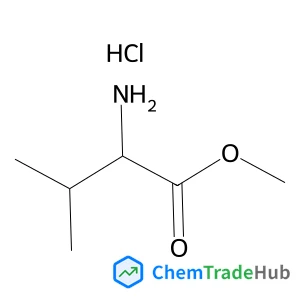
CAS Number
Related Products
amino}butanoic acid](https://static.chemtradehub.com/structs/221/221124-57-8-c784.webp)
![1-Cyclopropyl-8-methyl-7-[5-methyl-6-(methylamino)-3-pyridinyl]-4-oxo-1,4-dihydro-3-quinolinecarboxylic acid](https://static.chemtradehub.com/structs/245/245765-41-7-85ad.webp)
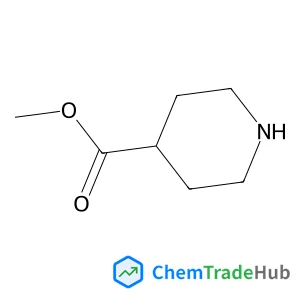
Methyl 4-piperidinecarboxylate
CAS Number: 2971-79-1
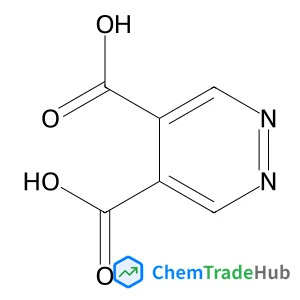
4,5-Pyridazinedicarboxylic acid
CAS Number: 59648-14-5
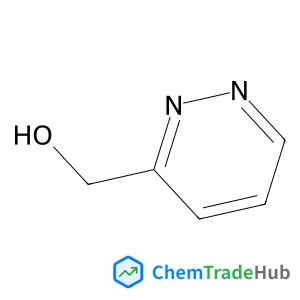
pyridazin-3-ylmethanol
CAS Number: 37444-46-5
![N-[4-(Trifluoromethoxy)phenyl]acetamide](https://static.chemtradehub.com/structs/173/1737-06-0-69aa.webp)
N-[4-(Trifluoromethoxy)phenyl]acetamide
CAS Number: 1737-06-0
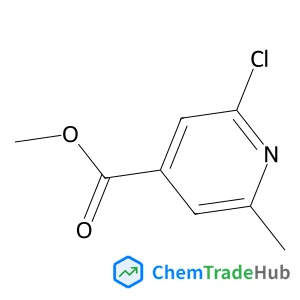
Methyl 2-chloro-6-methylisonicotinate
CAS Number: 3998-90-1
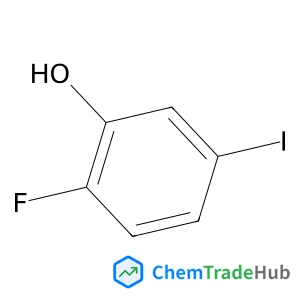
2-Fluoro-5-iodophenol
CAS Number: 186589-89-9
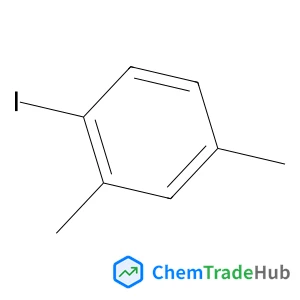
1-Iodo-2,4-dimethylbenzene
CAS Number: 4214-28-2
Other Suppliers for Methyl D-valinate hydrochloride (1:1)




Basic Information
Molecular Formula
C6H14ClNO2
Molecular Weight
131.18 g/mol
Physical Properties
Melting Point
~170 °C (dec.)
Chemical Identifiers
SMILES
CC(C)C(C(=O)OC)N.Cl
InChIKey
KUGLDBMQKZTXPW-NUBCRITNSA-N
Database References
MDL Number
MFCD00136455
FAQ
Methyl D-valinate hydrochloride is a white crystalline solid with a molecular weight of approximately 258.26 g/mol. It is moderately soluble in water and ethanol. Chemically, it is relatively stable but reacts with strong bases to form the corresponding free base. It has a pKa of about 12. The compound has good solubility in organic solvents like ethyl acetate and acetone.
Methyl D-valinate hydrochloride is typically synthesized by reacting D-valine with methyl chloroformate in the presence of a catalytic amount of a tertiary amine like triethylamine. The reaction involves the formation of an ester followed by acidification with hydrochloric acid to form the hydrochloride salt. The yield is usually around 85-90%, and the reaction is known for its high selectivity.
Methyl D-valinate hydrochloride is used in several industries. It is primarily used in the pharmaceutical industry as a starting material for the synthesis of other compounds. It also finds applications in the polymer industry for the modification of polymer properties. Additionally, it is used in the food industry as a flavoring agent and in the sensor industry for the detection of specific compounds.
When handling Methyl D-valinate hydrochloride, it is important to wear appropriate personal protective equipment (PPE) such as gloves, safety goggles, and a lab coat. It should be stored in a well-ventilated area and handled in a fume hood to minimize exposure. In case of a spill, it should be cleaned up using appropriate absorbent materials. For more detailed safety information, refer to the Material Safety Data Sheet (MSDS/SDS).
Safety Notice
Please verify product specifications and safety data before use. Contact the supplier for detailed safety information.
Always follow proper handling procedures

Contact Information
3007522982@qq.com
Mobile
18117592386
Telephone
021-57481218
Fax
无
Visit Website
https://www.acmec-e.com