



AD
Boc-Lys(Fmoc)-OH(CAS: 84624-27-1)
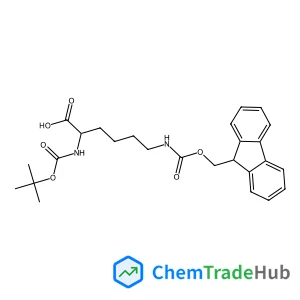
CAS Number
Related Products
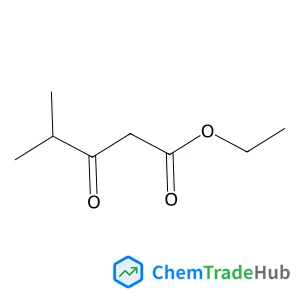
Ethyl 4-methyl-3-oxopentanoate
CAS Number: 7152-15-0
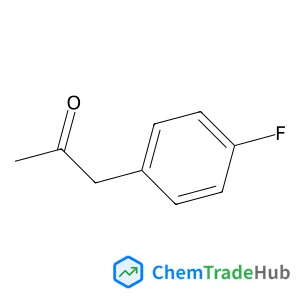
1-(4-Fluorophenyl)acetone
CAS Number: 459-03-0
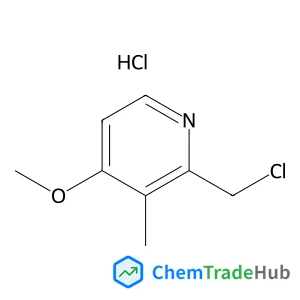
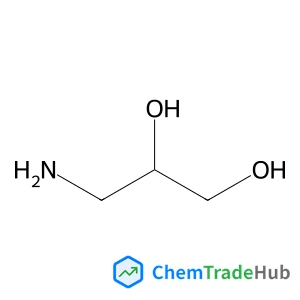
3-Amino-1,2-propanediol
CAS Number: 616-30-8
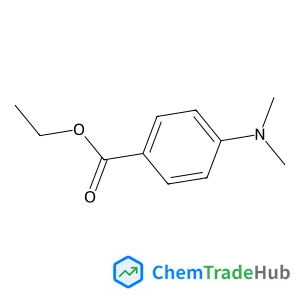
Ethyl 4-(dimethylamino)benzoate
CAS Number: 10287-53-3
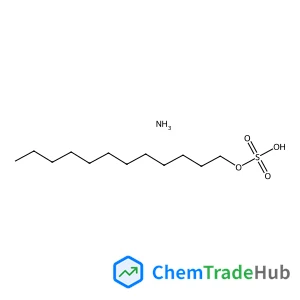
Ammonium dodecyl sulfate
CAS Number: 2235-54-3
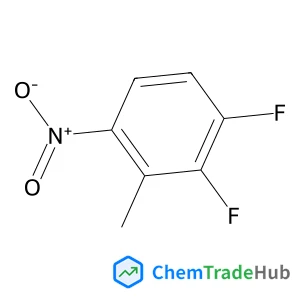
1,2-Difluoro-3-methyl-4-nitrobenzene
CAS Number: 914348-35-9
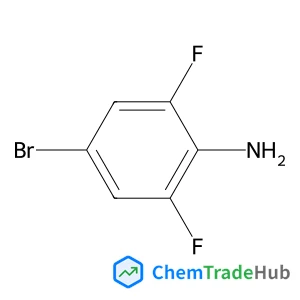
Abemaciclib Impurity 6
CAS Number: 67567-26-4
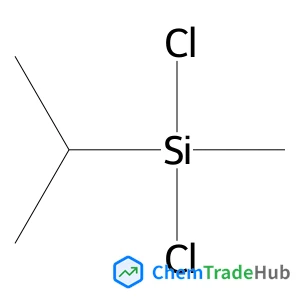
Dichloro(isopropyl)methylsilane
CAS Number: 18236-89-0
Other Suppliers for Boc-Lys(Fmoc)-OH



Basic Information
Molecular Formula
C26H32N2O6
Molecular Weight
468.55 g/mol
Physical Properties
Melting Point
93-98℃
Boiling Point
685.7℃ at 760 mmHg
Density
1.2100
Water Solubility
Soluble in dimethylformamide. Insoluble in water.
Chemical Identifiers
SMILES
CC(C)(C)OC(=O)NC(CCCCNC(=O)OCC1C2=CC=CC=C2C3=CC=CC=C13)C(=O)O
InChIKey
JYEVQYFWINBXJU-QFIPXVFZSA-N
Database References
MDL Number
MFCD00062032
FAQ
Boc-Lys(Fmoc)-OH is a protected lysine derivative used in peptide synthesis. Its chemical formula is C20H27N3O5S. It features a tert-butyl carbamoyl (Boc) group and a 9-fluorenylmethyloxycarbonyl (Fmoc) protecting group on the lysine amino acid. This compound is a solid at room temperature, slightly soluble in water, and stable under standard laboratory conditions. It is widely utilized in solid-phase peptide synthesis due to its controlled reactivity and ease of handling in organic solvents.
Boc-Lys(Fmoc)-OH is primarily used in pharmaceutical research for synthesizing peptides and proteins. It serves as a key building block in drug development, particularly in creating peptide-based therapeutics. Additionally, it is employed in biochemistry for antibody engineering and in organic synthesis for functional group manipulation. Its applications also extend to academic research in protein structure studies and chemical modifications.
Boc-Lys(Fmoc)-OH is considered safe when handled properly. It has low toxicity and is not classified as hazardous under standard safety guidelines. However, protective measures such as gloves, safety goggles, and adequate ventilation are recommended during handling. Avoid direct skin contact and inhalation of powder. Always follow lab safety protocols and work with certified chemical suppliers to ensure compliance with safety standards.
Boc-Lys(Fmoc)-OH should be stored in a cool, dry place (below 25°C), away from light and moisture. Keep in airtight containers, preferably glass or aluminum, to prevent degradation. Store in a desiccator for optimal stability. Avoid exposure to reactive chemicals and ensure proper labeling. Maintain storage conditions to preserve its integrity for extended use in synthesis processes.
Safety Notice
Please verify product specifications and safety data before use. Contact the supplier for detailed safety information.
Always follow proper handling procedures
Contact Information
Contact Person
Yang Qin
1462312301@qq.com