



AD
1-(2-Bromophenyl)piperazine(CAS: 1011-13-8)

CAS Number
Related Products

Ethyl 4-methyl-3-oxopentanoate
CAS Number: 7152-15-0
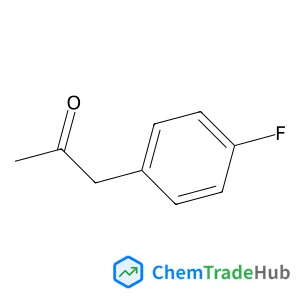
1-(4-Fluorophenyl)acetone
CAS Number: 459-03-0


3-Amino-1,2-propanediol
CAS Number: 616-30-8
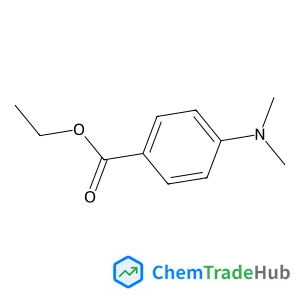
Ethyl 4-(dimethylamino)benzoate
CAS Number: 10287-53-3
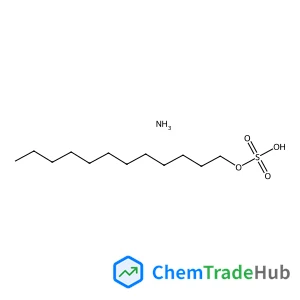
Ammonium dodecyl sulfate
CAS Number: 2235-54-3

1,2-Difluoro-3-methyl-4-nitrobenzene
CAS Number: 914348-35-9

Abemaciclib Impurity 6
CAS Number: 67567-26-4

Dichloro(isopropyl)methylsilane
CAS Number: 18236-89-0
Other Suppliers for 1-(2-Bromophenyl)piperazine




Basic Information
Molecular Formula
C10H13BrN2
Molecular Weight
241.13 g/mol
Physical Properties
Boiling Point
94-96℃/0.02mm(lit.)
Density
1.386
Flash Point
157.6°C
Chemical Identifiers
SMILES
C1CN(CCN1)C2=CC=CC=C2Br
InChIKey
JVTRURBMYILQDA-UHFFFAOYSA-N
Database References
MDL Number
MFCD03844726
FAQ
1-(2-Bromophenyl)piperazine (CAS: 1011-13-8) is a crystalline solid with a molecular weight of approximately 242.05 g/mol. It has a low solubility in water but is more soluble in organic solvents like ethanol and acetone. Chemically, it is moderately reactive with oxidizing agents and can undergo substitution reactions. It does not react with common reagents such as acids or bases under normal conditions.
1-(2-Bromophenyl)piperazine is typically synthesized through a multistep process involving bromination of piperazine, followed by coupling with 2-bromophenol. This process requires precise control of reaction conditions, including temperature and the use of appropriate catalysts to achieve high yields and selectivity. Common solvents used include dichloromethane or acetonitrile.
1-(2-Bromophenyl)piperazine (CAS: 1011-13-8) is primarily used in the pharmaceutical industry for the development of new drug compounds. It also has applications in the polymer industry for the production of specialized polymers and in the sensor industry for creating chemical sensors. Additionally, it may be used in the semiconductor industry for manufacturing processes.
When handling 1-(2-Bromophenyl)piperazine (CAS: 1011-13-8), it is important to wear appropriate personal protective equipment (PPE) such as gloves, goggles, and a lab coat. Work in a well-ventilated area or under a fume hood to prevent inhalation. Spills should be handled immediately by wiping up with absorbent material and disposing of according to safety protocols. Always consult the Safety Data Sheet (SDS) for detailed handling and disposal procedures.
Safety Notice
Please verify product specifications and safety data before use. Contact the supplier for detailed safety information.
Always follow proper handling procedures
Contact Information
Contact Person
Yang Qin
1462312301@qq.com