



AD
4-Methyl-2-(trifluoromethyl)aniline(CAS: 87617-23-0)
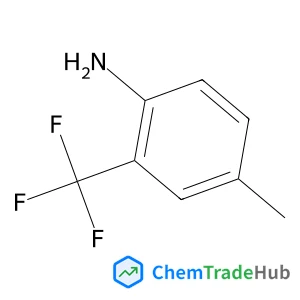
CAS Number
Related Products
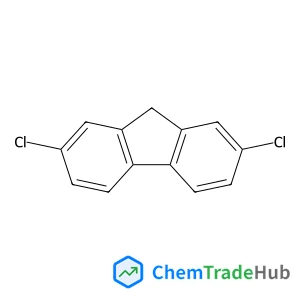
2,7-dichloro-9H-fluorene
CAS Number: 7012-16-0
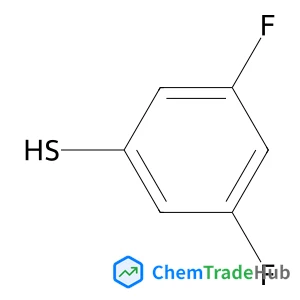
3,5-Difluorobenzenethiol
CAS Number: 99389-26-1
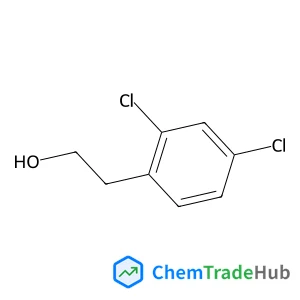
2-(2,4-Dichlorophenyl)ethanol
CAS Number: 81156-68-5
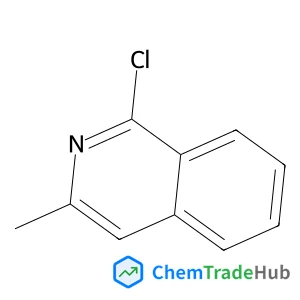
1-Chloro-3-methylisoquinoline
CAS Number: 7115-16-4
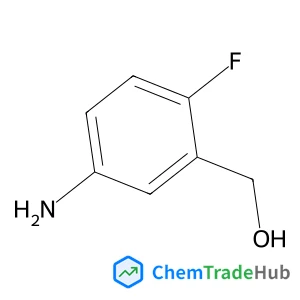
(5-Amino-2-fluorophenyl)methanol
CAS Number: 84832-00-8
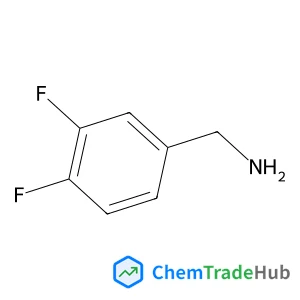
1-(3,4-Difluorophenyl)methanamine
CAS Number: 72235-53-1

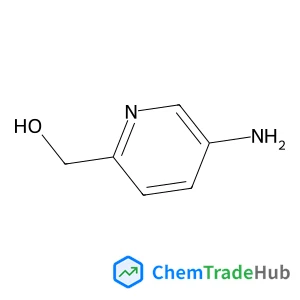
(5-Aminopyridin-2-YL)methanol
CAS Number: 873651-92-4
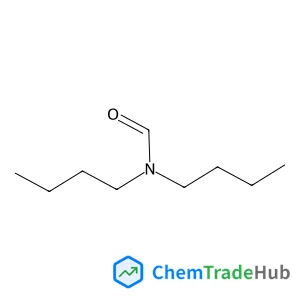
N,N-Dibutylformamide
CAS Number: 761-65-9
Other Suppliers for 4-Methyl-2-(trifluoromethyl)aniline






Basic Information
Molecular Formula
C8H8F3N
Molecular Weight
175.15 g/mol
Chemical Identifiers
SMILES
CC1=CC(=C(C=C1)N)C(F)(F)F
InChIKey
JPPWLYYUBCTQMY-UHFFFAOYSA-N
Database References
MDL Number
MFCD01631581
FAQ
4-Methyl-2-(trifluoromethyl)aniline is a white to off-white crystalline solid. Its molecular weight is approximately 210.07 g/mol. It is slightly soluble in water but soluble in organic solvents such as benzene and dichloromethane. It is known for its low reactivity under normal conditions but can undergo electrophilic aromatic substitution reactions under appropriate conditions.
4-Methyl-2-(trifluoromethyl)aniline can be synthesized through the nitration of 4-methyl-2-methoxybenzene followed by reduction of the nitro group to an amino group. The reaction is typically catalyzed by sulfuric acid and performed in the presence of water. The yield ranges from 70% to 80%, and the process involves careful control of temperature and reagent concentration to ensure selectivity.
4-Methyl-2-(trifluoromethyl)aniline is primarily used in the pharmaceutical industry as an intermediate for the synthesis of various drug molecules. It also finds application in the polymer industry for the production of certain types of plastics and in the sensor industry for the development of chemical sensors due to its fluorinated substituent.
When handling 4-Methyl-2-(trifluoromethyl)aniline, it is important to wear appropriate personal protective equipment (PPE) including gloves, goggles, and a laboratory coat. Ensure the use of a fume hood to control the release of vapors. Spills should be handled with appropriate absorbent materials, and the area should be well-ventilated. Always refer to the Safety Data Sheet (SDS) for detailed handling instructions and emergency procedures.
Safety Notice
Please verify product specifications and safety data before use. Contact the supplier for detailed safety information.
Always follow proper handling procedures
Contact Information
Contact Person
Zhang Tingting
705252702@qq.com