



AD
1-(4-Bromophenyl)-1-propanone(CAS: 10342-83-3)
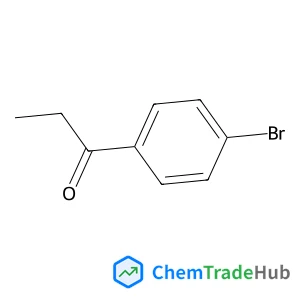
CAS Number
Related Products
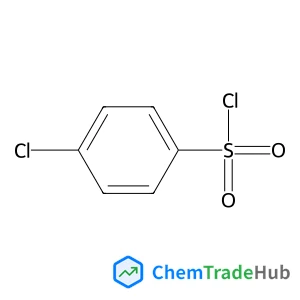
4-Chlorobenzenesulfonyl chloride
CAS Number: 98-60-2
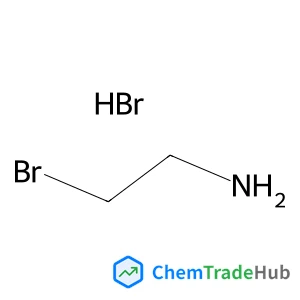
2-Bromoethanamine hydrobromide (1:1)
CAS Number: 2576-47-8
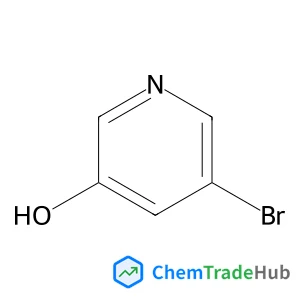
5-Bromo-3-pyridinol
CAS Number: 74115-13-2
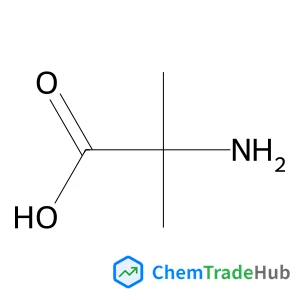
2-Methylalanine (2-Aminoisobutyric Acid)
CAS Number: 62-57-7
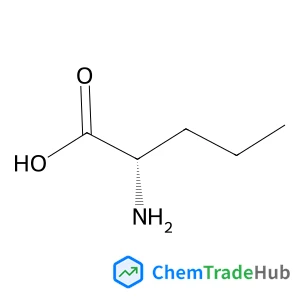
L-Norvaline
CAS Number: 6600-40-4
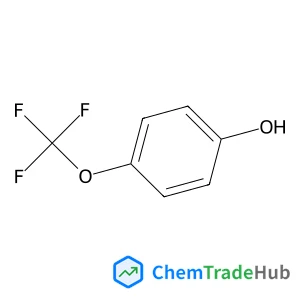
4-(Trifluoromethoxy)phenol
CAS Number: 828-27-3
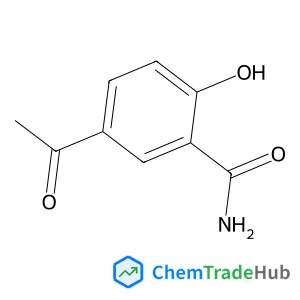
5-Acetyl-2-hydroxybenzamide
CAS Number: 40187-51-7
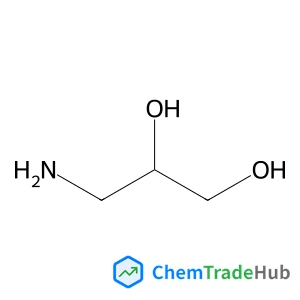
3-Amino-1,2-propanediol
CAS Number: 616-30-8
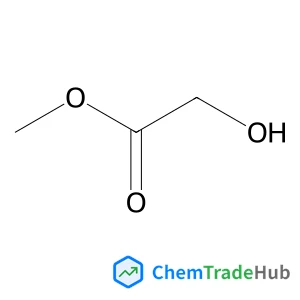
Methyl Glycolate
CAS Number: 96-35-5
Other Suppliers for 1-(4-Bromophenyl)-1-propanone






Basic Information
Molecular Formula
C9H9BrO
Molecular Weight
213.07 g/mol
Physical Properties
Melting Point
45.0 to 48.0 deg-C
Boiling Point
138°C/20mmHg(lit.)
Chemical Identifiers
SMILES
CCC(=O)C1=CC=C(C=C1)Br
InChIKey
UOMOSYFPKGQIKI-UHFFFAOYSA-N
Database References
MDL Number
MFCD00000106
Beilstein Registry Number
1210311
FAQ
1-(4-Bromophenyl)-1-propanone is a colorless to yellowish liquid with a molecular weight of 236.01 g/mol. It is slightly soluble in water but miscible with common organic solvents such as ethanol, acetone, and toluene. Chemically, it is less reactive under normal conditions but can undergo nucleophilic substitution reactions. It has a high boiling point of 260°C and a melting point of -48°C.
1-(4-Bromophenyl)-1-propanone can be synthesized through a bromination reaction of acetophenone with bromine in the presence of a Lewis acid like aluminum bromide. The reaction is carried out under anhydrous conditions to minimize side reactions. The yield is typically around 70-80%, with high selectivity towards the desired product.
1-(4-Bromophenyl)-1-propanone is primarily used in the pharmaceutical and polymer industries. It serves as an intermediate in the synthesis of various drugs and also finds applications in the production of certain polymers. Its role in sensors and semiconductors is less common but still recognized in specific research areas.
Proper handling of 1-(4-Bromophenyl)-1-propanone requires wearing appropriate personal protective equipment (PPE), including gloves and safety goggles. It should be handled in a well-ventilated area or fume hood to avoid inhalation. In case of a spill, it should be cleaned up using appropriate absorbents, and the area should be flushed with water. Always refer to the Material Safety Data Sheet (MSDS) for detailed safety information.
Safety Notice
Please verify product specifications and safety data before use. Contact the supplier for detailed safety information.
Always follow proper handling procedures
Contact Information
876094270@qq.com