



AD
6-Chloro-2-methyl-3-nitropyridine(CAS: 56057-19-3)
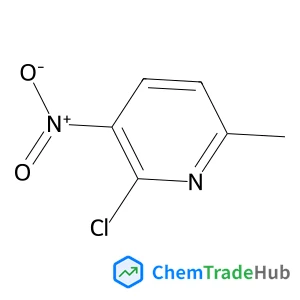
CAS Number
Related Products
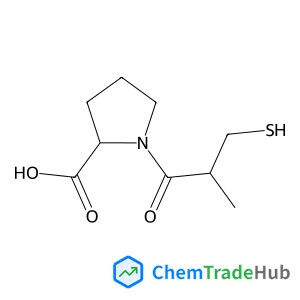
Captopril
CAS Number: 62571-86-2
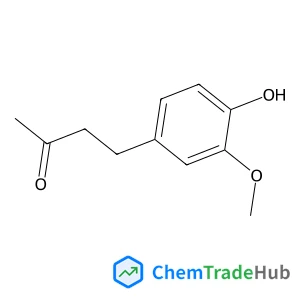
4-(4-Hydroxy-3-methoxyphenyl)-2-butanone
CAS Number: 122-48-5
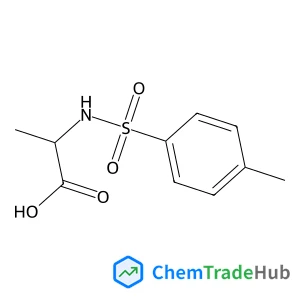
N-Tosyl-L-alanine
CAS Number: 21957-58-4
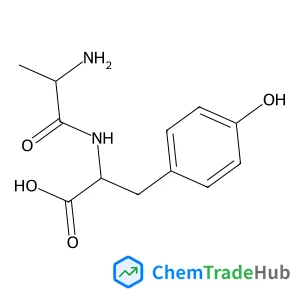
Alanyl-L-tyrosine
CAS Number: 3061-88-9

Octane-1,2,8-triol
CAS Number: 382631-43-8
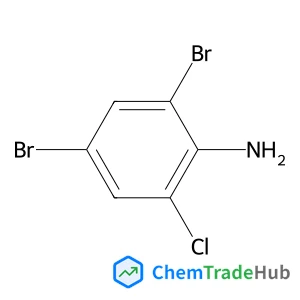
2,4-Dibromo-6-chloroaniline
CAS Number: 874-18-0
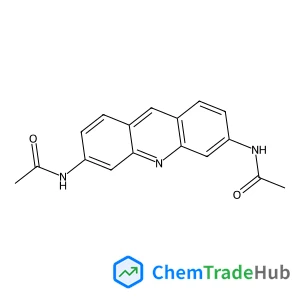
N,N'-3,6-Acridinediyldiacetamide
CAS Number: 15724-70-6
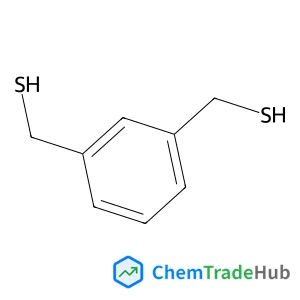
1,3-Phenylenedimethanethiol
CAS Number: 41563-69-3

Other Suppliers for 6-Chloro-2-methyl-3-nitropyridine



Basic Information
Molecular Formula
C6H5ClN2O2
Molecular Weight
172.57 g/mol
Physical Properties
Melting Point
70.0 to 74.0 deg-C
Boiling Point
281.7°C at 760 mmHg
Density
1.5610 (rough estimate)
Flash Point
124.2℃
Chemical Identifiers
SMILES
CC1=NC(=C(C=C1)[N+](=O)[O-])Cl
InChIKey
GHSRMSJVYMITDX-UHFFFAOYSA-N
Database References
MDL Number
MFCD03085820
FAQ
6-Chloro-2-methyl-3-nitropyridine is a crystalline solid with a molecular weight of approximately 199.01 g/mol. Its solubility in water is low, typically less than 1 g/L at 25°C. It is moderately reactive, particularly towards reducing agents and bases. The compound is highly soluble in organic solvents like dichloromethane and acetonitrile.
6-Chloro-2-methyl-3-nitropyridine is commonly synthesized through electrophilic aromatic substitution reactions. A typical method involves the nitration of 2-methylpyridine followed by chlorination. The reaction proceeds under mild conditions using concentrated sulfuric acid as a catalyst and nitric acid as the nitrating agent. Chlorine gas is then introduced to the intermediate product to achieve the final structure.
6-Chloro-2-methyl-3-nitropyridine finds applications primarily in the pharmaceutical industry, where it serves as a precursor to various drug candidates. It is also used in the synthesis of certain agrochemicals and sensors due to its unique reactivity and functional groups. Its use in semiconductor and polymer industries is less common but not entirely absent.
When handling 6-Chloro-2-methyl-3-nitropyridine, it is essential to wear appropriate personal protective equipment (PPE), including safety glasses, gloves, and a lab coat. Work should be conducted in a well-ventilated area or a fume hood due to its potential volatility and reactivity. Spills should be carefully cleaned up using appropriate absorbents, and the area should be thoroughly ventilated. Always consult the Material Safety Data Sheet (MSDS) for detailed safety information and emergency procedures.
Safety Notice
Please verify product specifications and safety data before use. Contact the supplier for detailed safety information.
Always follow proper handling procedures
Contact Information
Contact Person
Zhang Zeyuan
Sales-CN@TCIchemicals.com