



AD
3-Hydroxy-4-nitrobenzoic acid(CAS: 619-14-7)
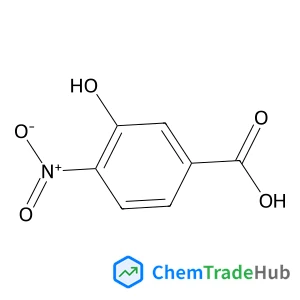
CAS Number
Related Products
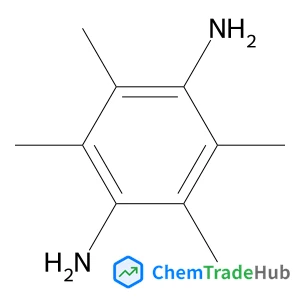
2,3,5,6-Tetramethyl-1,4-benzenediamine
CAS Number: 3102-87-2
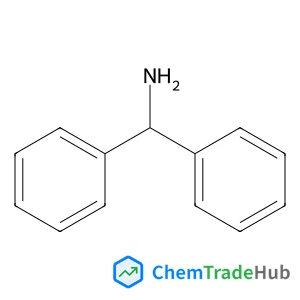
1,1-Diphenylmethanamine
CAS Number: 91-00-9
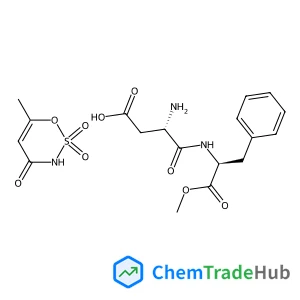

4-fluoro-1,3-dioxolan-2-one
CAS Number: 114435-02-8
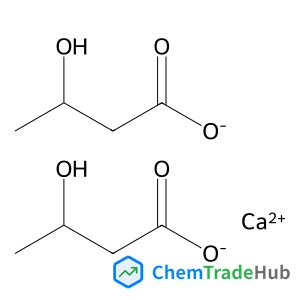
3-Hydroxybutanoic acid calcium salt
CAS Number: 586976-56-9
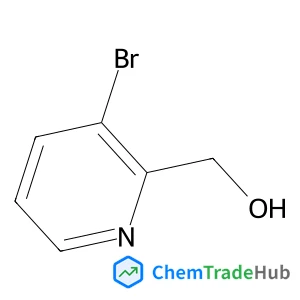
(3-Bromo-2-pyridinyl)methanol
CAS Number: 52378-64-0
Other Suppliers for 3-Hydroxy-4-nitrobenzoic acid





Basic Information
Molecular Formula
C7H5NO5
Molecular Weight
183.12 g/mol
Physical State
Pale-yellow to Yellow-brown Solid
Physical Properties
Melting Point
229-231 °C (lit.)
Boiling Point
381℃ at 760 mmHg
Density
1.6074 (rough estimate)
Flash Point
175.4℃
Chemical Identifiers
SMILES
C1=CC(=C(C=C1C(=O)O)O)[N+](=O)[O-]
InChIKey
XLDLRRGZWIEEHT-UHFFFAOYSA-N
Database References
MDL Number
MFCD00007110
Beilstein Registry Number
2107564
FAQ
3-Hydroxy-4-nitrobenzoic acid is a crystalline solid with a molecular weight of 214.08 g/mol. It has a solubility of approximately 1.4 g/100 mL in water. This compound is moderately acidic and exhibits good solubility in common organic solvents like ethanol and acetone. It is relatively stable under normal conditions but can be sensitive to strong reducing agents and bases.
3-Hydroxy-4-nitrobenzoic acid can be synthesized via nitration of 3-hydroxybenzoic acid using concentrated nitric acid and sulfuric acid as the nitrating mixture. Alternatively, it can be produced by nitration of 3-hydroxybenzaldehyde followed by oxidation. The yield is around 70-80%, and the reaction is typically conducted under controlled conditions to ensure selectivity.
3-Hydroxy-4-nitrobenzoic acid is used in various industries. It is a key intermediate in the synthesis of pharmaceuticals, particularly in the production of drugs that require specific functional groups. It also finds applications in the production of dyes, pigments, and other organic materials. Additionally, it is used in the manufacturing of sensors and as a component in some polymer formulations.
When handling 3-Hydroxy-4-nitrobenzoic acid, it is essential to use appropriate personal protective equipment (PPE), including gloves, goggles, and a lab coat. Handle the compound in a well-ventilated area or a fume hood to prevent inhalation. Spills should be cleaned up carefully using appropriate absorbent materials, and the area should be decontaminated. Always refer to the safety data sheet (SDS) for detailed handling procedures and emergency response instructions.
Safety Notice
Please verify product specifications and safety data before use. Contact the supplier for detailed safety information.
Always follow proper handling procedures
Contact Information
Contact Person
Min Huiping
3771156959@qq.com