



AD
3-Thiophenecarbonyl chloride(CAS: 41507-35-1)
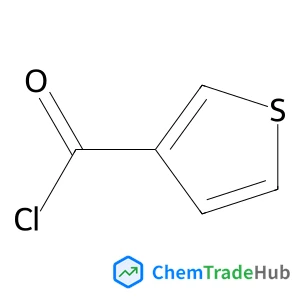
CAS Number
Related Products
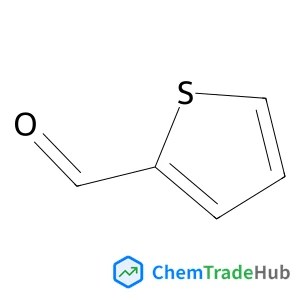
thiophene-2-carbaldehyde
CAS Number: 98-03-3
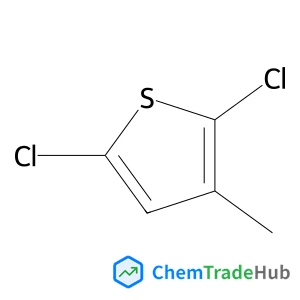
2,5-Dichloro-3-methylthiophene
CAS Number: 17249-90-0
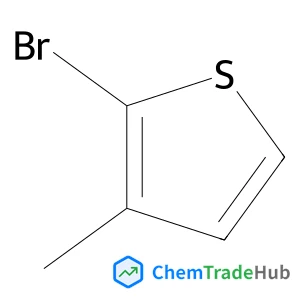
2-Bromo-3-methylthiophene
CAS Number: 14282-76-9
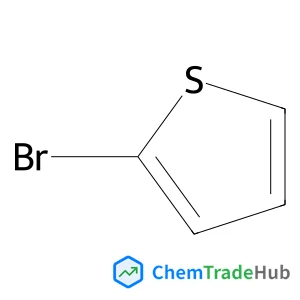
2-Bromothiophene
CAS Number: 1003-09-4
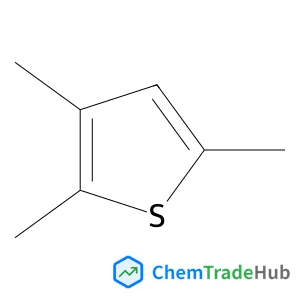
2,3,5-Trimethylthiophene
CAS Number: 1795-05-7
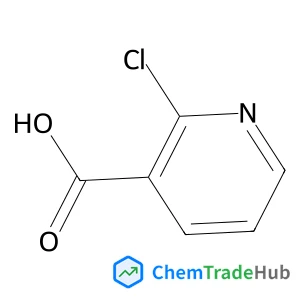
2-Chloronicotinic acid
CAS Number: 2942-59-8
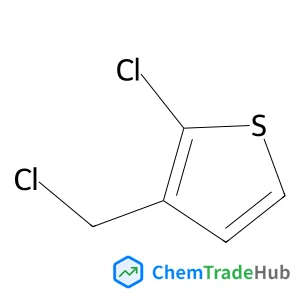
2-Chloro-3-(chloromethyl)thiophene
CAS Number: 109459-94-1
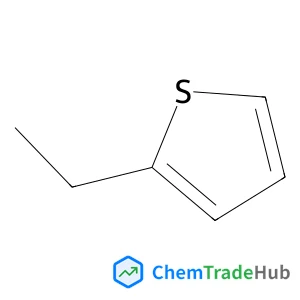
2-Ethylthiophene
CAS Number: 872-55-9
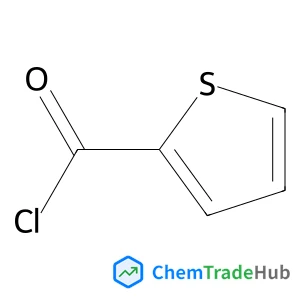
2-Thiophenecarbonyl chloride
CAS Number: 5271-67-0
Other Suppliers for 3-Thiophenecarbonyl chloride






Basic Information
Molecular Formula
C5H3ClOS
Molecular Weight
146.6 g/mol
Physical Properties
Melting Point
51-54 °C
Boiling Point
195.4°C at 760 mmHg
Density
1.391
Chemical Identifiers
SMILES
C1=CSC=C1C(=O)Cl
InChIKey
QTWBEVAYYDZLQL-UHFFFAOYSA-N
Database References
MDL Number
MFCD00130090
FAQ
3-Thiophenecarbonyl chloride is a white crystalline solid with a molecular weight of approximately 153.16 g/mol. It has a low solubility in water but is more soluble in organic solvents like acetone and chloroform. It is highly reactive, forming adducts with nucleophiles and undergoes nucleophilic substitution reactions. It is commonly used as a coupling reagent in organic synthesis.
3-Thiophenecarbonyl chloride is typically synthesized by the chlorination of 3-thiophenecarboxylic acid. This involves the reaction of 3-thiophenecarboxylic acid with phosphorus trichloride or thionyl chloride under appropriate conditions to yield the desired product. The reaction is carried out with careful control to ensure high yield and selectivity.
3-Thiophenecarbonyl chloride is widely used in the pharmaceutical, polymer, and sensor industries. It serves as a key intermediate in the synthesis of various drugs, polymers, and sensing materials due to its reactivity and functionality. Additionally, it is used in the semiconductor industry for the preparation of functionalized thiophene derivatives.
When handling 3-Thiophenecarbonyl chloride, appropriate personal protective equipment (PPE) such as gloves, goggles, and a lab coat should be worn. The compound should be handled in a well-ventilated area or a fume hood to avoid inhalation. Spills should be cleaned up using appropriate absorbent materials, and the area should be well-ventilated. Refer to the Safety Data Sheet (SDS) for specific safety guidelines and emergency procedures.
Safety Notice
Please verify product specifications and safety data before use. Contact the supplier for detailed safety information.
Always follow proper handling procedures
Contact Information
Contact Person
Xie Lihong