



AD
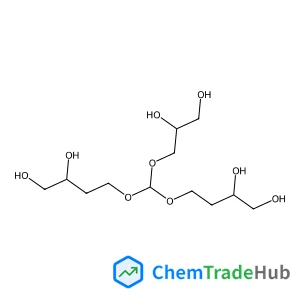
Poly(Propylene Glycol)(CAS: 25791-96-2)
CAS Number
Related Products
![[3-(2-Hydroxyethyl)phenyl]boronic acid](https://static.chemtradehub.com/structs/647/647853-32-5-c363.webp)
![N-(Butylsulfonyl)-O-[4-(4-piperidinyl)butyl]-L-tyrosine hydrochloride hydrate](https://static.chemtradehub.com/structs/150/150915-40-5-1679.webp)
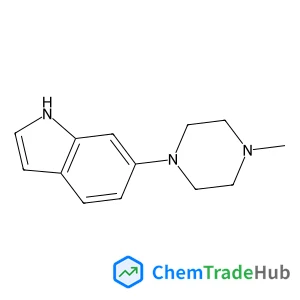
6-(4-methylpiperazin-1-yl)-1H-indole
CAS Number: 321745-04-4
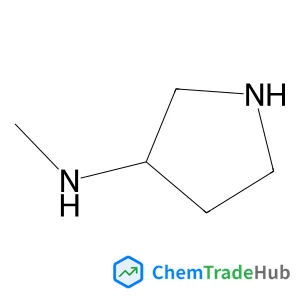
N-Methyl-3-pyrrolidinamine
CAS Number: 83030-08-4
![2-Chloro-N-[4-chloro-3-(2-pyridinyl)phenyl]-4-(methylsulfonyl)benzamide](https://static.chemtradehub.com/structs/879/879085-55-9-5abe.webp)
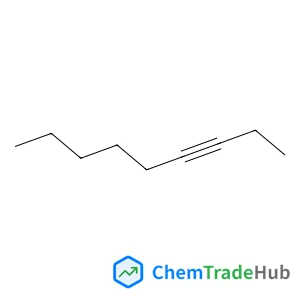
3-Nonyne
CAS Number: 20184-89-8
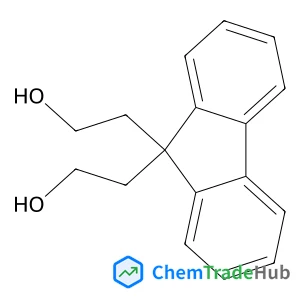
2,2'-(9H-fluorene-9,9-diyl)diethanol
CAS Number: 203070-78-4
![1,4-Dioxaspiro[4.5]dec-8-ylacetic acid](https://static.chemtradehub.com/structs/134/134136-04-2-8def.webp)
Other Suppliers for Poly(Propylene Glycol)





Basic Information
Molecular Formula
HO(C3H6O)nCH[CH2(OC3H6)nOH]2
Molecular Weight
314.33 g/mol
EINECS
500-044-5
Physical Properties
Melting Point
-40 °C
Density
1.09 g/mL at 25 °C
Flash Point
>230 °F
Chemical Identifiers
SMILES
OCC(CCOC(OCC(CO)O)OCCC(CO)O)O
InChIKey
ZSKSVMDBXFSLMZ-UHFFFAOYSA-N
Database References
MDL Number
MFCD00132860
FAQ
Poly(Propylene Glycol) (PPG) is a colorless, odorless, and viscous liquid with a high molecular weight, typically ranging from 200 to 20,000 Da. It is soluble in water and organic solvents. PPG is relatively inert and non-toxic, with limited reactivity towards acids, bases, and oxidizing agents. It crystallizes at temperatures below -70°C and has a low volatility, making it stable under normal conditions.
Poly(Propylene Glycol) (PPG) is synthesized by the polymerization of propylene glycol. This process involves the repeated addition of propylene oxide to propylene glycol in the presence of a catalyst, such as a strong acid or a metal alkoxide. The reaction is typically carried out under anhydrous conditions to ensure high molecular weight and high selectivity, leading to a high yield of PPG.
Poly(Propylene Glycol) (PPG) finds extensive use in the pharmaceutical, polymer, and cosmetic industries. It is used as a plasticizer, surfactant, emulsifier, and stabilizer. PPG is also employed in the manufacturing of biocompatible materials, lubricants, and as a carrier in drug delivery systems. Its biocompatibility and low toxicity make it a preferred choice in biomedical applications.
When handling Poly(Propylene Glycol) (PPG), ensure that proper personal protective equipment (PPE) is worn, including gloves, goggles, and a lab coat. Work in a well-ventilated area or a fume hood to avoid inhalation of vapors. Store PPG in tightly sealed containers away from heat sources. In case of a spill, neutralize it with baking soda or similar alkaline substances, then dispose of the waste according to local regulations. Always consult the Material Safety Data Sheet (MSDS) for detailed safety information.
Safety Notice
Please verify product specifications and safety data before use. Contact the supplier for detailed safety information.
Always follow proper handling procedures

Contact Information
Contact Person
Miss Xu
1986399151@qq.com
Mobile
15221998634
Telephone
021-59178156
Visit Website
https://www.yingxinbio.com/Address
Yugang Town Yiling Road 258 Lane C Zone