



AD
3-Naphthalen-2-yl-acrylic acid methyl ester(CAS: 22837-78-1)
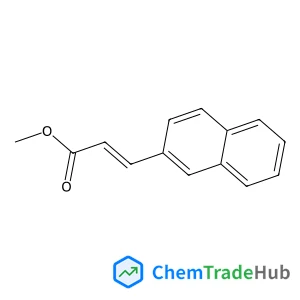
CAS Number
Related Products
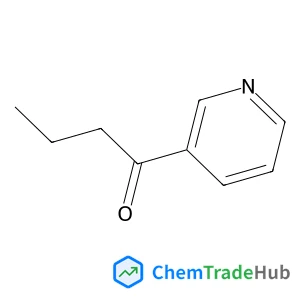
1-(3-Pyridinyl)-1-butanone
CAS Number: 1701-70-8
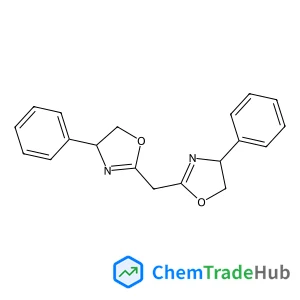
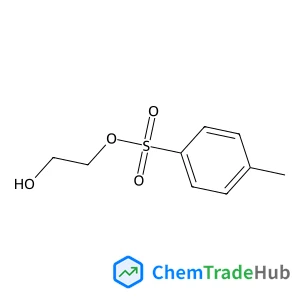
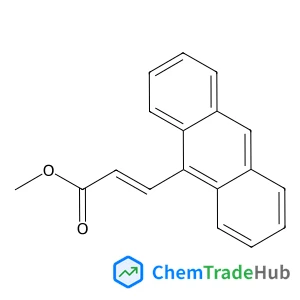
Methyl (2E)-3-(9-anthryl)acrylate
CAS Number: 22844-33-3
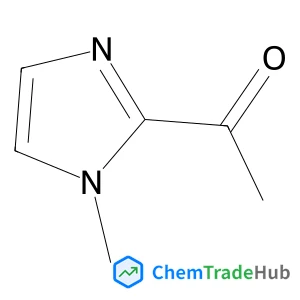
1-(1-Methyl-1H-imidazol-2-YL)ethanone
CAS Number: 85692-37-1
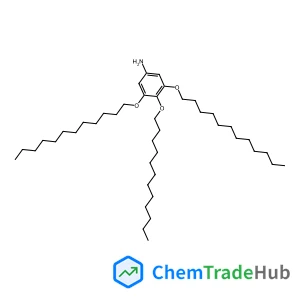
3,4,5-Tris(dodecyloxy)aniline
CAS Number: 151237-05-7
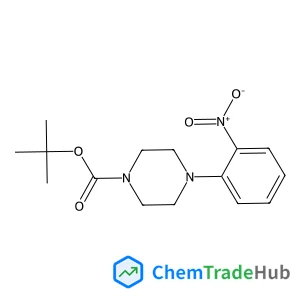
Other Suppliers for 3-Naphthalen-2-yl-acrylic acid methyl ester

Basic Information
Molecular Formula
C14H12O2
Molecular Weight
212.25 g/mol
Chemical Identifiers
SMILES
COC(=O)C=CC1=CC2=CC=CC=C2C=C1
InChIKey
LQDBRZFZGWAPEL-VQHVLOKHSA-N
Database References
MDL Number
MFCD04113831
FAQ
3-Naphthalen-2-yl-acrylic acid methyl ester is a white crystalline solid with a molecular weight of approximately 252.31 g/mol. It is slightly soluble in water but soluble in organic solvents like ethanol and acetone. Chemically, it is moderately reactive towards bases and forms salts in aqueous solutions. It exhibits good stability under normal laboratory conditions but requires protection from moisture and strong acids.
3-Naphthalen-2-yl-acrylic acid methyl ester is typically synthesized by the esterification of 3-naphthalen-2-yl-acrylic acid with methanol in the presence of an acid catalyst like sulfuric acid or p-toluenesulfonic acid. The reaction is carried out at elevated temperatures, and the product is purified by recrystallization from ethanol. The yield is typically around 85%, with excellent purity and selectivity.
3-Naphthalen-2-yl-acrylic acid methyl ester is used in the pharmaceutical industry for the synthesis of certain drug intermediates. It is also utilized in the polymer industry for the production of functional polymers with enhanced mechanical properties. Additionally, it finds applications in the sensor technology and semiconductor industries due to its aromatic structure and functional groups.
When handling 3-Naphthalen-2-yl-acrylic acid methyl ester, it is essential to wear appropriate personal protective equipment (PPE) such as gloves, goggles, and a lab coat. The compound should be handled in a well-ventilated area or inside a fume hood to prevent inhalation of dust or vapors. Spills should be immediately cleaned up with an appropriate solvent, and the area should be washed down. Always consult the Safety Data Sheet (SDS) for detailed handling instructions and emergency procedures.
Safety Notice
Please verify product specifications and safety data before use. Contact the supplier for detailed safety information.
Always follow proper handling procedures
Contact Information
Contact Person
Manager Huang
hm-huangmiao@163.com