



AD
2,3-Dihydro-1-benzofuran-7-ylboronic acid(CAS: 685514-61-8)
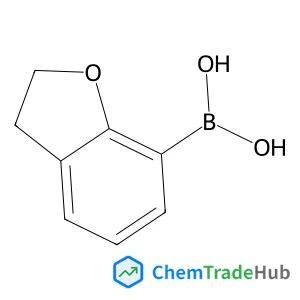
CAS Number
Related Products
![(2R)-2,7,8-Trimethyl-2-[(4R,8R)-4,8,12-trimethyltridecyl]-6-chromanol](https://static.chemtradehub.com/structs/54-/54-28-4-155c.webp)
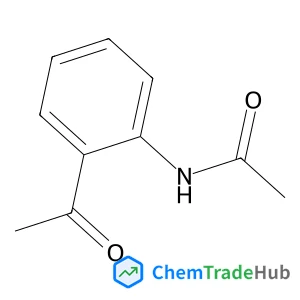
N-(2-Acetylphenyl)acetamide
CAS Number: 5234-26-4
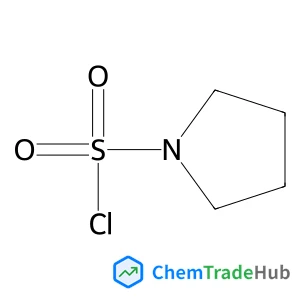
1-Pyrrolidinesulfonyl chloride
CAS Number: 1689-02-7
![3-Hexyl-2-[3-(3-hexyl-1,3-benzoxazol-2(3H)-ylidene)-1-propen-1-yl]-1,3-benzoxazol-3-ium iodide](https://static.chemtradehub.com/structs/532/53213-82-4-e483.webp)
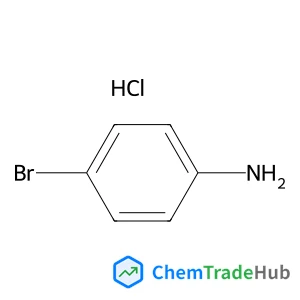
4-Bromoaniline hydrochloride (1:1)
CAS Number: 624-19-1
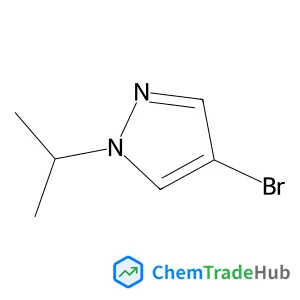
4-Bromo-1-isopropyl-1H-pyrazole
CAS Number: 313735-62-5
Other Suppliers for 2,3-Dihydro-1-benzofuran-7-ylboronic acid




Basic Information
Molecular Formula
C8H9BO3
Molecular Weight
163.97 g/mol
Chemical Identifiers
SMILES
B(C1=C2C(=CC=C1)CCO2)(O)O
InChIKey
JDOYUFYZFXCQJP-UHFFFAOYSA-N
Database References
MDL Number
MFCD06801700
FAQ
2,3-Dihydro-1-benzofuran-7-ylboronic acid is a white crystalline solid with a molecular weight of approximately 243.12 g/mol. It has a low solubility in water (0.1 g/100 mL at 25°C) and is soluble in organic solvents like methanol and ethanol. The compound is known for its moderate reactivity in organic reactions, particularly in boronate ester formations with carboxylic acids. It is also stable under usual laboratory conditions but can undergo degradation under basic conditions.
2,3-Dihydro-1-benzofuran-7-ylboronic acid is typically synthesized through the boronation of 2,3-dihydro-1-benzofuran-7-ylboronic ester using a catalytic system. Common methods include the use of tetrakis(triphenylphosphine)palladium(0) as a catalyst, with triphenylphosphine as a ligand. The reaction proceeds under basic conditions with the boronic acid being generated in situ from the boronic ester. The yield is generally high, around 80-90%, with good selectivity.
2,3-Dihydro-1-benzofuran-7-ylboronic acid is utilized in the pharmaceutical industry for the synthesis of various drug precursors and intermediates. It is also used in the polymer industry for the development of novel polymer materials. Additionally, this compound has applications in the development of sensors and semiconductors due to its unique chemical structure and reactivity.
When handling 2,3-Dihydro-1-benzofuran-7-ylboronic acid (CAS: 685514-61-8), it is essential to wear appropriate personal protective equipment (PPE) such as gloves, safety goggles, and a lab coat. The compound should be used in a well-ventilated area or a fume hood to minimize inhalation risks. Spills should be cleaned up promptly using appropriate absorbent materials. For detailed safety information, consult the Material Safety Data Sheet (MSDS/SDS).
Safety Notice
Please verify product specifications and safety data before use. Contact the supplier for detailed safety information.
Always follow proper handling procedures
