



AD
2-Ethylhexyl 3-cyclohexene-1-carboxylate(CAS: 63302-64-7)
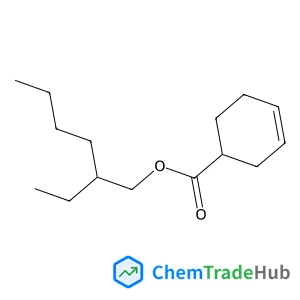
CAS Number
Related Products
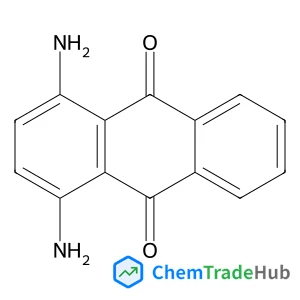
1,4-Diamino-9,10-anthraquinone
CAS Number: 128-95-0
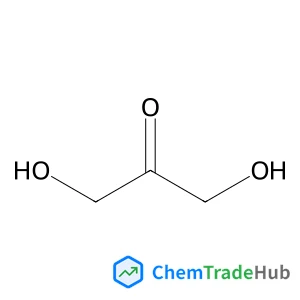
Dihydroxyacetone
CAS Number: 96-26-4
![3-Oxaspiro[5.5]undecane-2,4-dione](https://static.chemtradehub.com/structs/101/1010-26-0-8f72.webp)
3-Oxaspiro[5.5]undecane-2,4-dione
CAS Number: 1010-26-0
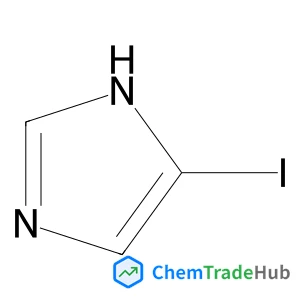
4-Iodo-1H-imidazole
CAS Number: 71759-89-2
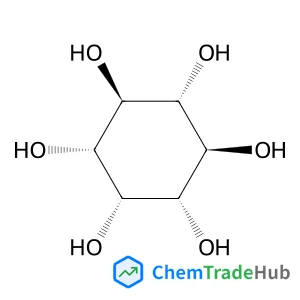
![2-Methyl-N-{[(2-methyl-2-propanyl)oxy]carbonyl}alanine](https://static.chemtradehub.com/structs/309/30992-29-1-b00d.webp)
![(1R,5R)-2,6,6-Trimethylbicyclo[3.1.1]hept-2-ene](https://static.chemtradehub.com/structs/80-/80-56-8-97d7.webp)
Other Suppliers for 2-Ethylhexyl 3-cyclohexene-1-carboxylate



Basic Information
Molecular Formula
C15H26O2
Molecular Weight
238.37 g/mol
Physical Properties
Boiling Point
304.6±21.0 ºC (760 Torr),
Density
0.941±0.06 g/cm3 (20 ºC 760 Torr),
Flash Point
130.7±9.6 ºC,
Chemical Identifiers
SMILES
CCCCC(CC)COC(=O)C1CCC=CC1
InChIKey
OOBVOBFENTULJB-UHFFFAOYSA-N
Database References
MDL Number
MFCD18976345
FAQ
2-Ethylhexyl 3-cyclohexene-1-carboxylate (CAS: 63302-64-7) is a colorless to light yellow liquid with a molecular weight of approximately 212.33 g/mol. It has a low melting point around -35°C and a boiling point of about 180°C. The compound is slightly soluble in water but miscible with common organic solvents like ethanol and acetone. It is reactive due to its unsaturated carbonyl functionality and can undergo typical organic reactions such as esterification and reduction.
2-Ethylhexyl 3-cyclohexene-1-carboxylate (CAS: 63302-64-7) is typically synthesized via a condensation reaction of 3-cyclohexene-1-carboxylic acid with 2-ethylhexanol in the presence of a suitable catalyst such as polyphosphoric acid. This process involves the formation of an ester bond, yielding the target compound with good yield and selectivity.
2-Ethylhexyl 3-cyclohexene-1-carboxylate (CAS: 63302-64-7) is used in various industries. It finds applications in the pharmaceutical sector as a precursor in the synthesis of biologically active molecules. In the polymer industry, it serves as an additive to improve the flexibility and durability of polymer materials. Additionally, it is utilized in the production of sensors and semiconductors due to its unique chemical properties.
When handling 2-Ethylhexyl 3-cyclohexene-1-carboxylate (CAS: 63302-64-7), it is crucial to wear appropriate personal protective equipment (PPE) such as gloves, goggles, and a lab coat. Handle in a well-ventilated area or fume hood to prevent inhalation. Spills should be cleaned up using absorbent materials and disposed of according to local regulations. Always consult the Safety Data Sheet (SDS) for detailed safety information and emergency procedures.
Safety Notice
Please verify product specifications and safety data before use. Contact the supplier for detailed safety information.
Always follow proper handling procedures
Contact Information
Contact Person
Wu Xuejiao
3509784745@qq.com