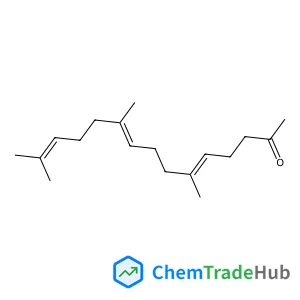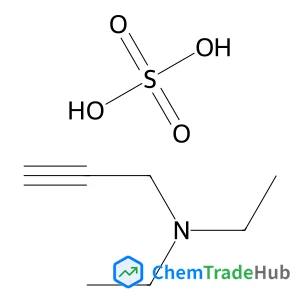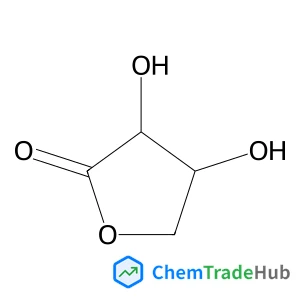
Oxalic acid compound with cyclohexylsulfamothioic O-acid (11)
CAS Number:
31895-22-4
Molecular Formula:
C7H13NO4S3
Miaomiao Zhang, Cunyuan Pei, Qiqi Xiang, Lintao Liu, Zhongxu Dai, Huijuan Ma, Shibing Ni
The rational design of a solid electrolyte interphase (SEI) with high ionic conductivity and high electrochemical stability is significantly important in improving the electrochemical performance of anode materials. Herein, lithium difluoro(oxalate)borate (LiDFOB) is used as an electrolyte additive to generate protective SEI films on Li3VO4 (LVO) anodes. The addition of LiDFOB is beneficial to form a dense, uniform, stable and LiF-richer SEI, which is helpful to boost the Li-ion storage kinetics. In addition, the generated SEI can inhibit the further decomposition of electrolytes and maintain the morphology of LVO anodes during charge/discharge processes. As a result, LVO-based anodes exhibit a much higher capacity (769.5 mA h g−1 at 0.5 A g−1), enhanced rate performance (243.3 mA h g−1 at 5.0 A g−1) and excellent long-term cycling stability (209.9 mA h g−1 after 5000 cycles) when cycled in 1 wt% LiDFOB addition electrolyte. This work confirms that LiDFOB is a promising multi-functional additive for LiPF6 electrolytes and provides new insights into SEI construction towards high-performance LVO anodes.
Leonid V. Yelash, Thomas Kraska
DOI: 10.1039/B102972J
Lino M. B. Dias, George Jackson, Eduardo J. M. Filipe
DOI: 10.1039/B101519M
J. Würtz, J. Meyer, H. Hoffmann
DOI: 10.1039/B102776J
Shen Ye, Satoshi Nihonyanagi, Kohei Uosaki
DOI: 10.1039/B101673N
DOI: 10.1039/A807013J
DOI: 10.1039/B103210K
Katsuhiko Ariga, Keizo Tanaka, Kiyofumi Katagiri, Jun-ichi Kikuchi, Hisashi Shimakoshi, Eiji Ohshima, Yoshio Hisaeda
DOI: 10.1039/B100974P
George Law, Philip R. Watson, Adrian J. Carmichael, Kenneth R. Seddon
DOI: 10.1039/B101952J
Christian Simon, Thierry Cartailler, Pierre Turq
DOI: 10.1039/B100944N
Harry O. Finklea, Robert M. Haddox
DOI: 10.1039/B101325O
When considering alternatives to 1-(4-Chlorophenyl)-N-hydroxymethanimine (CAS: 3...
This compound should be stored in a cool, dry place away from direct sunlight. I...
3-(4-Bromophenyl)-5-(2-fluorophenyl)-1,2,4-oxadiazole is synthesized through a m...
5-Chloro-2-(4-chlorophenyl)-4-methyl-6-[3-(1-piperidinyl)propoxy]pyrimidine (CAS...
2-Chloro-4-(difluoromethoxy)pyridine is used in the pharmaceutical industry for ...
3-Chloro-6-methylpyridazine (CAS: 1121-79-5) is classified under the Globally Ha...
Several alternatives can be used in the synthesis of Methyl 4,5-dimethyl-2-nitro...
Alternatives to (2E,2'E)-3,3'-(1,4-Phenylene)bisacrylaldehyde include other acry...
3-Amino-5-chloropyridin-2-ol hydrochloride is an organic compound with the CAS n...
When handling 6,7-Difluoro-2,3-dihydro-4H-chromen-4-one, it is essential to wear...

Physical Chemistry Chemical Physics (PCCP) is an international journal co-owned by 19 physical chemistry and physics societies from around the world. This journal publishes original, cutting-edge research in physical chemistry, chemical physics and biophysical chemistry. To be suitable for publication in PCCP, articles must include significant innovation and/or insight into physical chemistry; this is the most important criterion that reviewers and Editors will judge against when evaluating submissions. The journal has a broad scope and welcomes contributions spanning experiment, theory, computation and data science. Topical coverage includes spectroscopy, dynamics, kinetics, statistical mechanics, thermodynamics, electrochemistry, catalysis, surface science, quantum mechanics, quantum computing and machine learning. Interdisciplinary research areas such as polymers and soft matter, materials, nanoscience, energy, surfaces/interfaces, and biophysical chemistry are welcomed if they demonstrate significant innovation and/or insight into physical chemistry. Joined experimental/theoretical studies are particularly appreciated when complementary and based on up-to-date approaches.