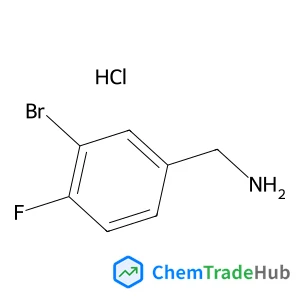
1-(3-Bromo-4-fluorophenyl)methanamine hydrochloride (1:1)
CAS Number:
202865-68-7
Molecular Formula:
C7H8BrClFN
Panpan Chen, Cong Chen, Saisai Qin, Jianxin Xi
Efficient directional excitation of planar surface plasmon polaritons (SPPs) has important and wide applications in micro–nano photonic technology. Recently, by using the geometric phase and spin–orbit interaction, catenary structures have been applied to the directional control of SPPs and showed excellent performance. However, due to the need to use the chirality of the subwavelength catenary apertures, the previously studied systems were only suitable for circularly polarized light. Here, based on a catenary metasurface we theoretically design and experimentally demonstrate a SPP directional launcher used for linearly polarized light. The numerical calculation results show that the directional extinction ratio reaches up to 35 dB under the normal incidence of p-polarized light at 750 nm which is 5 dB higher than the maximum extinction ratio in the existing results as we know. The experimental results show that the resonant wavelength position, bandwidth and extinction ratio change trend well match the theoretical results. The physical mechanism is analyzed and it is found that the asymmetric quadrupole mode is the key factor leading to the directional SPPs which is completely different from the geometric phase modulation mechanism to excite the directional SPPs of circularly polarized light in the catenary metasurface. These principles and methods could open new doors for future chip-level photonic device or system design such as multi-directional beam splitters and polarization detectors.

Saudi Pharmaceutical Journal

Chemistry Education Research and Practice

Acta Materialia

Crystallography Reports

Drug Discovery Today

Russian Journal of Organic Chemistry

Chemical Communications

Russian Journal of Bioorganic Chemistry

Organic Process Research & Development

Current Opinion in Solid State & Materials Science
Yan Liu, Xiao-Li Yang, Jun Zhang, Yi-Zhi Li, You Song, Hong-Bin Du, Xiao-Zeng You
DOI: 10.1039/B801542B
Xizhe Liu, Yanhong Luo, Hong Li, Yuzun Fan, Zhexun Yu, Yuan Lin, Liquan Chen, Qingbo Meng
DOI: 10.1039/B700472A
Satish Kumar Nune, Masato Tanaka
DOI: 10.1039/B703165C
Yoshiro Hirai, Masayuki Kirihara
DOI: 10.1039/B802502A
Claudia Caltagirone, Philip A. Gale, Jennifer R. Hiscock, Simon J. Brooks, Michael B. Hursthouse, Mark E. Light
DOI: 10.1039/B806238B
Qiao Jin, Jian-Ping Xu, Jian Ji, Jia-Cong Shen
DOI: 10.1039/B801959B
Matthias A. Schade, Albrecht Metzger, Stephan Hug, Paul Knochel
DOI: 10.1039/B803072C
Ann M. Chippindale, Laura E. Head, Simon J. Hibble
DOI: 10.1039/B803500H
When considering alternatives to 1-(4-Chlorophenyl)-N-hydroxymethanimine (CAS: 3...
This compound should be stored in a cool, dry place away from direct sunlight. I...
3-(4-Bromophenyl)-5-(2-fluorophenyl)-1,2,4-oxadiazole is synthesized through a m...
5-Chloro-2-(4-chlorophenyl)-4-methyl-6-[3-(1-piperidinyl)propoxy]pyrimidine (CAS...
2-Chloro-4-(difluoromethoxy)pyridine is used in the pharmaceutical industry for ...
3-Chloro-6-methylpyridazine (CAS: 1121-79-5) is classified under the Globally Ha...
Several alternatives can be used in the synthesis of Methyl 4,5-dimethyl-2-nitro...
Alternatives to (2E,2'E)-3,3'-(1,4-Phenylene)bisacrylaldehyde include other acry...
3-Amino-5-chloropyridin-2-ol hydrochloride is an organic compound with the CAS n...
When handling 6,7-Difluoro-2,3-dihydro-4H-chromen-4-one, it is essential to wear...

Physical Chemistry Chemical Physics (PCCP) is an international journal co-owned by 19 physical chemistry and physics societies from around the world. This journal publishes original, cutting-edge research in physical chemistry, chemical physics and biophysical chemistry. To be suitable for publication in PCCP, articles must include significant innovation and/or insight into physical chemistry; this is the most important criterion that reviewers and Editors will judge against when evaluating submissions. The journal has a broad scope and welcomes contributions spanning experiment, theory, computation and data science. Topical coverage includes spectroscopy, dynamics, kinetics, statistical mechanics, thermodynamics, electrochemistry, catalysis, surface science, quantum mechanics, quantum computing and machine learning. Interdisciplinary research areas such as polymers and soft matter, materials, nanoscience, energy, surfaces/interfaces, and biophysical chemistry are welcomed if they demonstrate significant innovation and/or insight into physical chemistry. Joined experimental/theoretical studies are particularly appreciated when complementary and based on up-to-date approaches.