![2-Methyl-2-propanyl 1,6-diazaspiro[3.4]octane-6-carboxylate structure](https://static.chemtradehub.com/structs/115/1158749-79-1-81ee.webp "2-Methyl-2-propanyl 1,6-diazaspiro[3.4]octane-6-carboxylate structure")
2-Methyl-2-propanyl 1,6-diazaspiro[3.4]octane-6-carboxylate
CAS Number:
1158749-79-1
Molecular Formula:
C11H20N2O2
Daniel T. Gryko, Andrzej L. Sobolewski, Olaf W. Morawski
The fluorescence intensity of bis-coumarins linked via CONH and COO functionalities are shown to exhibit a strong dependance on solvent polarity. The presence of the intramolecular hydrogen bond between the CO oxygen atom of coumarin and amide-NH moieties reduces the number of thermodynamically populated conformations in both ground and electronically excited states and an anti-arrangement of coumarin units is favored. Additionally, the rigidity of the linker raises the barrier to the conical intersection with the ground state, and in non-polar solvents strong fluorescence is observed. Although changing the CONH linking position from 3–7′ to 3–6′, does not remarkably affect the photophysics, replacement with a flexible ester linker allows the molecule a greater degree of conformational freedom due to the absence of the intramolecular hydrogen bonding interaction. The photophysical effect of this is the appearance of two fluorescence bands, the relative intensity and spectral positions of which are sensitive to the environment. Theoretical explorations of the excited-state potential energy surfaces performed with the aid of the ADC(2) ab initio electronic structure theory method revealed an exceptional wealth of concomitant photophysical processes. In particular, two channels for radiationless deactivation of the excited state were found; the first is related to the inter-ring twist of the coumarin units, and the second is associated with the excited-state intramolecular proton-transfer (ESIPT) from the CONH linker to the coumarin core.
Alejandra Ricci, Cecilia Bonazzola, Ernesto J. Calvo
DOI: 10.1039/B609497J
Olli Lehtonen, Dage Sundholm
DOI: 10.1039/B606643G
Fayçal Allouti, Laurent Manceron, Mohammad Esmaïl Alikhani
DOI: 10.1039/B606248B
Uroš Tasić, Yuri Alexeev, Grigoriy Vayner, T. Daniel Crawford, Theresa L. Windus, William L. Hase
DOI: 10.1039/B609743J
Marat O. Gallyamov, Ahmed Mourran, Bernd Tartsch, Rostislav A. Vinokur, Lev N. Nikitin, Kjeld Schaumburg, Martin Möller
DOI: 10.1039/B602959K
Laura Rudd, Dominic J. Lee, Alexei A. Kornyshev
DOI: 10.1039/B601018K
Marta Corno, Claudia Busco, Bartolomeo Civalleri, Piero Ugliengo
DOI: 10.1039/B602419J
E. Hadzifejzovic, J. A. Sanchez Galiani, D. J. Caruana
DOI: 10.1039/B600115G
Ethyl 4-chlorothieno[2,3-b]pyridine-5-carboxylate (CAS: 59713-58-5) can be synth...
5-Methyl-1H-indole-3-carbaldehyde (CAS: 52562-50-2) is subject to various regula...
(1,3-Dimethyl-2,4-dioxo-1,2,3,4-tetrahydro-5-pyrimidinyl)boronic acid is a white...
Waste containing Sulfocostunolide A (CAS: 1016983-51-9) should be handled with c...
When handling Murraxocin (CAS: 88478-44-8), ensure proper personal protective eq...
Formvar (CAS: 63148-64-1) is an alkyd resin characterized by a high molecular we...
(S)-4-benzyl-2-((benzyloxy)methyl)morpholine is generally safe when handled with...
Methyl 1-(5-bromo-2-pyrimidinyl)cyclopropanecarboxylate (CAS: 1447607-69-3) is p...
2-Methyl-1-phenyl-1-propanamine hydrochloride (CAS: 24290-47-9) is generally con...
3-(4-Bromophenyl)-2-methylpropanoic acid is synthesized through a multi-step pro...

Physical Chemistry Chemical Physics (PCCP) is an international journal co-owned by 19 physical chemistry and physics societies from around the world. This journal publishes original, cutting-edge research in physical chemistry, chemical physics and biophysical chemistry. To be suitable for publication in PCCP, articles must include significant innovation and/or insight into physical chemistry; this is the most important criterion that reviewers and Editors will judge against when evaluating submissions. The journal has a broad scope and welcomes contributions spanning experiment, theory, computation and data science. Topical coverage includes spectroscopy, dynamics, kinetics, statistical mechanics, thermodynamics, electrochemistry, catalysis, surface science, quantum mechanics, quantum computing and machine learning. Interdisciplinary research areas such as polymers and soft matter, materials, nanoscience, energy, surfaces/interfaces, and biophysical chemistry are welcomed if they demonstrate significant innovation and/or insight into physical chemistry. Joined experimental/theoretical studies are particularly appreciated when complementary and based on up-to-date approaches.
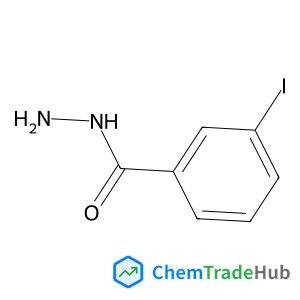
![2-(Methylsulfonyl)-2,4,5,6-tetrahydropyrrolo[3,4-c]pyrazole structure](https://static.chemtradehub.com/structs/122/1226781-80-1-09d5.webp "2-(Methylsulfonyl)-2,4,5,6-tetrahydropyrrolo[3,4-c]pyrazole structure")