Compound Q&A
What regulatory guidelines apply to 5-Methyl-1H-indole-3-carbaldehyde (CAS: 52562-50-2)?
Answer
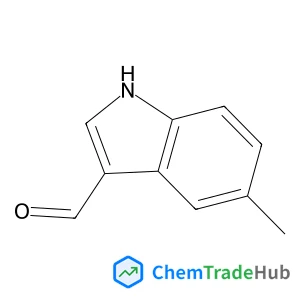
5-Methyl-1H-indole-3-carbaldehyde (CAS: 52562-50-2) is subject to various regulatory guidelines. It is classified under the Globally Harmonized System of Classification and Labelling of Chemicals (GHS) as a skin and eye irritant. In Europe, it is regulated under REACH, requiring manufacturers and importers to register substances above a certain tonnage. In the USA, it is registered with the EPA and must comply with the Toxic Substances Control Act (TSCA) for any commercial or industrial use. FDA regulations may also apply if used in food contact materials or pharmaceuticals.
About
CAS No
52562-50-2
English Name
5-Methyl-1H-indole-3-carbaldehyde
Molecular Formula
C10H9NO
Molecular Weight
159.188 g/mol
SMILES
CC1=CC2=C(C=C1)NC=C2C=O
InChIKey
ZTNQWTPWKNDRNF-UHFFFAOYSA-N
Last Updated: 2025-10-27 07:45