![O-Benzyl-N-[(9H-fluoren-9-ylmethoxy)carbonyl]-N-methyl-L-threonine structure](https://static.chemtradehub.com/structs/198/198561-81-8-a56e.webp "O-Benzyl-N-[(9H-fluoren-9-ylmethoxy)carbonyl]-N-methyl-L-threonine structure")
O-Benzyl-N-[(9H-fluoren-9-ylmethoxy)carbonyl]-N-methyl-L-threonine
CAS Number:
198561-81-8
Molecular Formula:
C27H27NO5
Maria-Astrid Schröter, Hans-Jörg Kunte, Tihomir Solomun
Ectoine, a compatible solute and osmolyte, is known to be an effective protectant of biomolecules and whole cells against heating, freezing and extreme salinity. Protection of cells (human keratinocytes) by ectoine against ultraviolet radiation has also been reported by various authors, although the underlying mechanism is not yet understood. We present the first electron irradiation of DNA in a fully aqueous environment in the presence of ectoine and at high salt concentrations. The results demonstrate effective protection of DNA by ectoine against the induction of single-strand breaks by ionizing radiation. The effect is explained by an increase in low-energy electron scattering at the enhanced free-vibrational density of states of water due to ectoine, as well as the use of ectoine as an ˙OH-radical scavenger. This was demonstrated by Raman spectroscopy and electron paramagnetic resonance (EPR).

Russian Journal of Coordination Chemistry

Chemistry Education Research and Practice

Journal of Natural Medicines

Nature Medicine

Russian Chemical Bulletin

Russian Journal of Bioorganic Chemistry

Russian Journal of General Chemistry

Journal of Saudi Chemical Society

Current Opinion in Colloid & Interface Science

Journal of Peptide Science
Bei Deng, Xingqiang Shi
DOI: 10.1039/C7CP05109C
Laurence S. Romsted, Yongliang Zhang, Xiang Gao, Qing Gu, Changyao Liu
DOI: 10.1039/C7CP03413J
Peifeng Su, Yong Xia, Zhijun Yang, Carl O. Trindle, Joseph L. Knee
DOI: 10.1039/C7CP03917D
Sajan Singh, Pratick Samanta, Rajiv Srivastava, Andriy Horechyy, Uta Reuter, Hsin-Lung Chen, Bhanu Nandan
DOI: 10.1039/C7CP04343K
Xingce Fan, Zhengwei Luo, Xiangyu Hou, Xiaozhi Yang, Teng Qiu, Paul K. Chu
DOI: 10.1039/C7CP04196A
Midhun Mohan, T. Suzuki, Saju Pillai, K. G. K. Warrier, U. S. Hareesh, J. D. Gale
DOI: 10.1039/C7CP03866F
I. Yavuz
DOI: 10.1039/C7CP05297A
Jonatan Bergek, Björn Elgh, Anders E. C. Palmqvist, Lars Nordstierna
DOI: 10.1039/C7CP02571H
Miguel de Abreu, Lyndsey J. Ferguson, Derek J. Quinn, Thomas S. Moody, Meilan Huang
DOI: 10.1039/C7CP03640J
3-Fluoro-2-methylbenzylamine is an organic compound with the CAS number 771573-3...
Tert-butyl 2-(oxetan-3-ylidene)acetate is considered safe for its intended uses ...
Proper personal protective equipment (PPE) such as gloves, goggles, and a lab co...
2-Ethyl-4-methyl-1,3-thiazole is commonly synthesized via the reaction of thiour...
This compound should be stored in a cool, dry place away from direct sunlight an...
L-Lysine Acetate Salt (CAS: 52315-92-1) is subject to various regulatory guideli...
6-Fluoro-3-hydroxy-2-pyrazinecarboxamide (CAS: 259793-96-9) is generally conside...
1,1'-Sulfonylbis(1H-imidazole) is a crystalline solid with a molecular weight of...
4-Methyl-7-nitro-1H-indole-3-carbonitrile (CAS: 289483-82-5) is primarily used i...
Waste containing 5-Bromo-3-indolyl-beta-galactoside (CAS: 97753-82-7) should be ...

Physical Chemistry Chemical Physics (PCCP) is an international journal co-owned by 19 physical chemistry and physics societies from around the world. This journal publishes original, cutting-edge research in physical chemistry, chemical physics and biophysical chemistry. To be suitable for publication in PCCP, articles must include significant innovation and/or insight into physical chemistry; this is the most important criterion that reviewers and Editors will judge against when evaluating submissions. The journal has a broad scope and welcomes contributions spanning experiment, theory, computation and data science. Topical coverage includes spectroscopy, dynamics, kinetics, statistical mechanics, thermodynamics, electrochemistry, catalysis, surface science, quantum mechanics, quantum computing and machine learning. Interdisciplinary research areas such as polymers and soft matter, materials, nanoscience, energy, surfaces/interfaces, and biophysical chemistry are welcomed if they demonstrate significant innovation and/or insight into physical chemistry. Joined experimental/theoretical studies are particularly appreciated when complementary and based on up-to-date approaches.
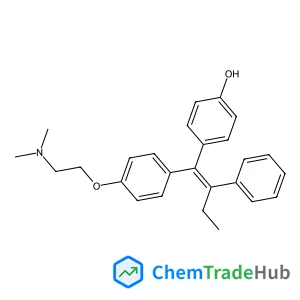
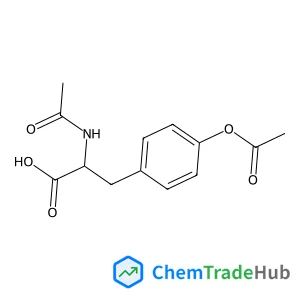
![2,4,5-Trichloro-7H-pyrrolo[2,3-d]pyrimidine structure](https://static.chemtradehub.com/structs/105/1053228-28-6-fba3.webp "2,4,5-Trichloro-7H-pyrrolo[2,3-d]pyrimidine structure")