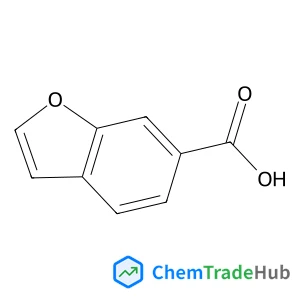
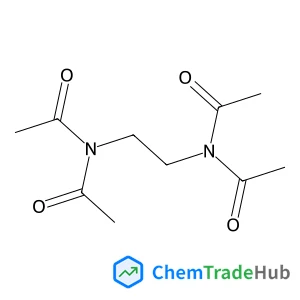
Ammonium (Z)-2-(furan-2-yl)-2-(methoxyimino)acetate
CAS Number:
97148-39-5
Molecular Formula:
C7H10N2O4
Paula Mori-Sánchez, Aron J. Cohen
The derivative discontinuity is a key concept in electronic structure theory in general and density functional theory in particular. The electronic energy of a quantum system exhibits derivative discontinuities with respect to different degrees of freedom that are a consequence of the integer nature of electrons. The classical understanding refers to the derivative discontinuity of the total energy as a function of the total number of electrons (N), but it can also manifest at constant N. Examples are shown in models including several hydrogen systems with varying numbers of electrons or nuclear charge (Z), as well as the 1-dimensional Hubbard model (1DHM). Two sides of the problem are investigated: first, the failure of currently used approximate exchange–correlation functionals in DFT and, second, the importance of the derivative discontinuity in the exact electronic structure of molecules, as revealed by full configuration interaction (FCI). Currently, all approximate functionals, including hybrids, miss the derivative discontinuity, leading to basic errors that can be seen in many ways: from the complete failure to give the total energy of H2 and H2+, to the missing gap in Mott insulators such as stretched H2 and the thermodynamic limit of the 1DHM, or a qualitatively incorrect density in the HZ molecule with two electrons and incorrect electron transfer processes. Description of the exact particle behaviour of electrons is emphasised, which is key to many important physical processes in real systems, especially those involving electron transfer, and offers a challenge for the development of new exchange–correlation functionals.
Christer B. Aakeröy, Dhanushi Welideniya, John Desper
DOI: 10.1039/C6CE02201D
Jacob C. Lutter, Lillian V. A. Hale, Ginger V. Shultz
DOI: 10.1039/C8RP00205C
Jichao Chen, Shang Gao, Ming Chen
DOI: 10.1039/C9SC90262G
Haiyan Song, Shishu Zhang, Junyan Zhang, Wenya Bao, Quanqin Zhao
DOI: 10.1039/C3CE41478G
DOI: 10.1039/CS9760500317
DOI: 10.1039/CS9891800083
1H-Indazole-6-carbonitrile finds applications in pharmaceuticals, where it serve...
Waste containing Dioctyl (2E)-2-butenedioate (CAS: 2997-85-5) should be collecte...
Sodium [(1,2-benzoxazol-3-ylmethyl)sulfonyl]azanide is primarily used in pharmac...
Dimethyl 4-(4,4,5,5-tetramethyl-1,3,2-dioxaborolan-2-yl)-2,6-pyridinedicarboxyla...
Waste containing 2-Fluoro-6-hydrazinopyridine (CAS: 80714-39-2) should be manage...
6-Formyl-2-pyridinecarboxylic acid is an organic compound with the molecular for...
Research trends for this compound indicate a focus on its potential applications...
9H-Tribenzo[b,d,f]azepine is typically synthesized via a multi-step process invo...
1-Cyclopropyl-7-ethoxy-6-fluoro-8-methoxy-4-oxo-1,4-dihydro-3-quinolinecarboxyli...
Waste containing Methyl 3-oxo-1,2,3,4-tetrahydro-6-quinoxalinecarboxylate (CAS: ...

Physical Chemistry Chemical Physics (PCCP) is an international journal co-owned by 19 physical chemistry and physics societies from around the world. This journal publishes original, cutting-edge research in physical chemistry, chemical physics and biophysical chemistry. To be suitable for publication in PCCP, articles must include significant innovation and/or insight into physical chemistry; this is the most important criterion that reviewers and Editors will judge against when evaluating submissions. The journal has a broad scope and welcomes contributions spanning experiment, theory, computation and data science. Topical coverage includes spectroscopy, dynamics, kinetics, statistical mechanics, thermodynamics, electrochemistry, catalysis, surface science, quantum mechanics, quantum computing and machine learning. Interdisciplinary research areas such as polymers and soft matter, materials, nanoscience, energy, surfaces/interfaces, and biophysical chemistry are welcomed if they demonstrate significant innovation and/or insight into physical chemistry. Joined experimental/theoretical studies are particularly appreciated when complementary and based on up-to-date approaches.