2,3,6-Tri-O-acetyl-4-O-(2,3,4,6-tetra-O-acetyl-beta-D-galactopyranosyl)-alpha-D-glucopyranosyl bromide
CAS Number:
4753-07-5
Molecular Formula:
C26H35BrO17
Jong-Sook Lee, Jaekook Kim, Xiao-Ling Xiao
An electronically conducting 3D network of reduced graphene oxide (RGO) was introduced into LiNi1/3Mn1/3Co1/3O2 (LNMC) cathode material in a special nano/micro hierarchical structure. The rate test and cycling measurement showed that the hierarchical networks remarkably improve the high rate performance of LNMC electrode for lithium-ion batteries. The effect of RGO conducting networks on kinetic property was investigated by electrochemical impedance spectroscopy (EIS) and potentiostatic intermittent titration (PITT). The EIS results reveal that the RGO network greatly decreases the resistance of lithium batteries, especially the charge transfer resistance which can be attributed to the significantly improved conducting networks. The enhancement of apparent diffusion coefficient by the RGO conducting networks is shown by PITT. The power performance was found to be limited by the electrical conduction in the two-phase region, which can be greatly facilitated by the hierarchical RGO network together with carbon black. The as-obtained LNMC/RGO cathode exhibits an outstanding electrochemical property supporting the design idea of electronically conducting 3D networks for the high-energy and high-power lithium-ion batteries.
René S. Rojas, Fernando Carrillo-Hermosilla, Javier Martínez, Antonio Antiñolo, Oleksandra S. Trofymchuk, Fabiane M. Nachtigall, Leonardo S. Santos, Constantin G. Daniliuc
DOI: 10.1039/D3NJ03959E
Ahmed Fatimi, Rajender S. Varma, Mohammed Berrada
DOI: 10.1039/D3TB01712E
Nikita Belko, Hanna Maltanava, Anatol Lugovski, Polina Shabunya, Sviatlana Fatykhava, Evgeny Bondarenko, Pavel Chulkin, Sergey Poznyak
DOI: 10.1039/D3NJ04711C
Hong-Liang Wang, Yu-Ting Du, Xiao-Juan Zhang, Hai-Xian Ren, Lu Qin, Xiao-Bo Luo, Pei-Yang Gu, Lingyun Xu, Shi-Yuan Zhou
DOI: 10.1039/D3NJ04177H
Jinzhe Li, Jianguo Zhou
DOI: 10.1039/D3NJ02733C
Chan Chen, Haisheng Ren, Weikang Tang, Mengqi Han, Qinfei Chen, Hong Zhou, Jiadong Chen, Yuyue Gao, Wenbin Liu
DOI: 10.1039/D3TB01082A
Honglian Wu, Tianci Wang, Yuting Wang, Sixi Liu, Feiqiu Wen, Gerile Oudeng, Mo Yang
DOI: 10.1039/D3TB01553J
Lei Liang, Xi Li, Zhouying Tan, Min Liu, Yuwei Qiu, Qingyu Yu, Chaojie Yu, Mengmeng Yao, Bingyan Guo, Pengcheng Che, Hong Zhang
DOI: 10.1039/D3TB02014B
6-(3-Fluorophenyl)picolinic acid is generally considered safe for laboratory use...
(3R)-3-Pyrrolidinol is used in the pharmaceutical industry as a precursor for dr...
When handling (4R,5R)-4,5-Diethoxycarbonyl-2,2-dimethyldioxolane (CAS: 59779-75-...
1-(6-Chloroimidazo[1,2-b]pyridazin-3-yl)ethanone is often synthesized via a mult...
The market for N-Ethyl-3,4-dimethylbenzylamine (CAS: 39180-83-1) remains steady,...
Tert-butyl 3-(pyrrolidin-1-yl)azetidine-1-carboxylate is a chemical compound wit...
1-Bromo-3-chloro-2,4-dimethoxybenzene (CAS: 1228956-93-1) falls under the classi...
The safety of 8-Bromo-2-methyl-3,4-dihydroisoquinolin-1(2H)-one (CAS: 1368622-07...
Benzyl [(3S)-2,6-dioxo-3-piperidinyl]carbamate is generally safe when handled wi...
1-{[4-(4,4,5,5-Tetramethyl-1,3,2-dioxaborolan-2-yl)phenyl]sulfonyl}pyrrolidine s...

Physical Chemistry Chemical Physics (PCCP) is an international journal co-owned by 19 physical chemistry and physics societies from around the world. This journal publishes original, cutting-edge research in physical chemistry, chemical physics and biophysical chemistry. To be suitable for publication in PCCP, articles must include significant innovation and/or insight into physical chemistry; this is the most important criterion that reviewers and Editors will judge against when evaluating submissions. The journal has a broad scope and welcomes contributions spanning experiment, theory, computation and data science. Topical coverage includes spectroscopy, dynamics, kinetics, statistical mechanics, thermodynamics, electrochemistry, catalysis, surface science, quantum mechanics, quantum computing and machine learning. Interdisciplinary research areas such as polymers and soft matter, materials, nanoscience, energy, surfaces/interfaces, and biophysical chemistry are welcomed if they demonstrate significant innovation and/or insight into physical chemistry. Joined experimental/theoretical studies are particularly appreciated when complementary and based on up-to-date approaches.
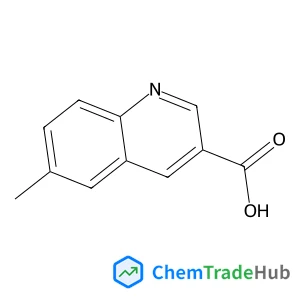
![3-[(3R,4R)-3-[(6-aminopyrimidin-4-yl)-methyl-amino]-4-methyl-1-piperidyl]-3-oxo-propanenitrile structure](https://static.chemtradehub.com/structs/164/1640971-60-3-83a4.webp "3-[(3R,4R)-3-[(6-aminopyrimidin-4-yl)-methyl-amino]-4-methyl-1-piperidyl]-3-oxo-propanenitrile structure")