![[3-Fluoro-4-(1-pyrrolidinylcarbonyl)phenyl]boronic acid structure](https://static.chemtradehub.com/structs/874/874289-09-5-e3d4.webp "[3-Fluoro-4-(1-pyrrolidinylcarbonyl)phenyl]boronic acid structure")
[3-Fluoro-4-(1-pyrrolidinylcarbonyl)phenyl]boronic acid
CAS Number:
874289-09-5
Molecular Formula:
C11H13BFNO3
Tiziana del Giacco, Benedetta Carlotti, Stefano De Solis, Arianna Barbafina, Fausto Elisei
The crown thioether 9-[4-(4,7,10,13-tetrathia-1-azacyclopentadecyl]phenyl-N-methylacridinium perchlorate (TCMA) was synthesized and characterized with the aim to verify its ability to interact selectively with metal ions and substantiate the possibility to detect easily the presence of heavy metals in fluid samples. The spectroscopic properties of TCMA, alone and in the presence of metal ions, were therefore studied in polar solvents (MeCN and H2O); in particular, steady-state UV-Vis spectrophotometric and fluorimetric techniques were used together with transient absorption spectroscopy with fs time resolution to investigate the spectral and dynamic properties of the lowest excited singlet state of TCMA and of TCMA/metal ion complexes. The absorption in the Vis region is characterized by a charge-transfer nature with the methylacridinium moiety acting as the electron-acceptor and the anilic group as the electron-donor. No emission from the S1 was detected both in MeCN and H2O, while a small S2 → S0 fluorescence emission (λmax = 485 nm and ϕF = 0.0011) was detected in water. Time-resolved measurements with fs resolution of TCMA in MeCN have shown that the relaxed S1 state is reached ∼0.6 ps after the laser pulse, while the S1 → S0 time constant is 3.7 ps. Among the investigated metal ions, only Fe3+ (in MeCN) and Hg2+ (in MeCN and H2O) were able to form stable complexes (association constant, Kass = 1–11 × 104 M−1) with TCMA. The S1 state of the TCMA/Mn+ complexes emits with low quantum yield (ϕF = 0.0023–0.014) and decays with time constants much longer than TCMA itself, at least in the case of TCMA/Hg2+ in MeCN. This study showed that TCMA is a good candidate for colorimetric/fluorimetric sensing of Hg2+ in aqueous media owing to its high selectivity towards metal ions.
Yu Ran Lee, Hong Lae Kim, Chan Ho Kwon
DOI: 10.1039/D0CP00073F
Maria Demireva, Kendrew Au, Leonid Sheps
DOI: 10.1039/D0CP03861J
ChiYung Yam, Chengjie Zhao, Le Liu, Min Zhao, Xiao Zheng
DOI: 10.1039/D0CP00170H
DOI: 10.1039/C9CP06529F
Konoya Das, Subrahmanyam Sappati
DOI: 10.1039/C9CP06405B
Madhab Roy, Anil Chamuah, Koyel Bhattacharya
DOI: 10.1039/D0CP04076B
Hongyan Jiang, Alexander Kandratsenka
DOI: 10.1039/D0CP03462B
Xiuwen Zhou, Benjamin J. Powell
DOI: 10.1039/D0CP04709K
Shengmei Qi, Jiawei Jiang, Wenbo Mi
DOI: 10.1039/D0CP03292A
Pablo Lozano-Reis, Ramón Sayós, José A. Rodriguez, Francesc Illas
DOI: 10.1039/D0CP04884D
(5-Sulfamoyl-3-pyridinyl)boronic acid is primarily used in chemical synthesis, p...
Benzyl 2-methyl-2-(methylsulfonyl)-4-pentenoate is typically synthesized via est...
When handling 8-Fluoroquinolin-6-ol (CAS: 209353-22-0), it is important to use p...
1,3-Dibromo-5-(2-methyl-2-propanyl)benzene (CAS: 129316-09-2) is a crystalline c...
Ethyl 7-chloro-4-oxo-1-(1,3-thiazol-2-yl)-1,4-dihydro-1,8-naphthyridine-3-carbox...
When handling Delta-7-Avenasterol (CAS: 23290-26-8), it is important to wear app...
Proper handling involves the use of personal protective equipment such as gloves...
When handling 2-Methyl-2-proanyl 4-[(2-aminophenyl)amino]-1-piperidinecarboxylat...
N-Methyl-4-chlorobenzylamine hydrochloride (CAS: 65542-24-7) is a organic compou...
[2-(Dodecyloxy)ethoxy]acetic acid (CAS: 27306-90-7) is generally considered safe...

Physical Chemistry Chemical Physics (PCCP) is an international journal co-owned by 19 physical chemistry and physics societies from around the world. This journal publishes original, cutting-edge research in physical chemistry, chemical physics and biophysical chemistry. To be suitable for publication in PCCP, articles must include significant innovation and/or insight into physical chemistry; this is the most important criterion that reviewers and Editors will judge against when evaluating submissions. The journal has a broad scope and welcomes contributions spanning experiment, theory, computation and data science. Topical coverage includes spectroscopy, dynamics, kinetics, statistical mechanics, thermodynamics, electrochemistry, catalysis, surface science, quantum mechanics, quantum computing and machine learning. Interdisciplinary research areas such as polymers and soft matter, materials, nanoscience, energy, surfaces/interfaces, and biophysical chemistry are welcomed if they demonstrate significant innovation and/or insight into physical chemistry. Joined experimental/theoretical studies are particularly appreciated when complementary and based on up-to-date approaches.
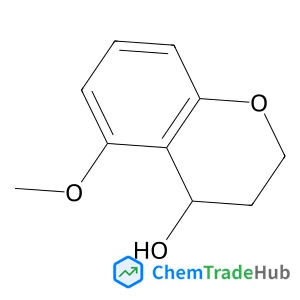
![2-Azaspiro[4.5]decane-3,8-dione structure](https://static.chemtradehub.com/structs/914/914780-96-4-e94b.webp "2-Azaspiro[4.5]decane-3,8-dione structure")