![5,7-Dihydroxy-3-(4-hydroxyphenyl)-6-[(1R,6R)-3-methyl-6-prop-1-en-2-ylcyclohex-2-en-1-yl]chromen-4-one structure](https://static.chemtradehub.com/structs/191/1914963-20-4-2b05.webp "5,7-Dihydroxy-3-(4-hydroxyphenyl)-6-[(1R,6R)-3-methyl-6-prop-1-en-2-ylcyclohex-2-en-1-yl]chromen-4-one structure")
5,7-Dihydroxy-3-(4-hydroxyphenyl)-6-[(1R,6R)-3-methyl-6-prop-1-en-2-ylcyclohex-2-en-1-yl]chromen-4-one
CAS Number:
1914963-20-4
Molecular Formula:
C25H24O5
Roberto Scipioni, Jonathan P. Hill, Gary J. Richards, Toshiyuki Mori, Katsuhiko Ariga, Takahisa Ohno
We present a structural and electronic inspection of reduced pyrazinacenes within the DFT framework. Our analysis provides a clear indication that compounds in which reduced pyrazine rings are well separated from each other are rather stable. Conversely, if the reduced pyrazine rings approach each other or cluster together, the compounds become increasingly unstable. The tautomers analyzed are likely to possess properties suitable for application as proton transport materials due to protic isomerism processes. On the basis of our findings, we propose that protic transport should occur through a concerted proton transfer without involving intramolecular aggregation of the dihydropyrazine groups. Furthermore, the electronic structure analysis shows that this class of compounds can be classified as small bandgap semiconducting materials, possessing even metallic character depending on the tautomeric structure, and with potential nanotechnological applications in molecular electronics and fuel cells.
Lei Hu, Li Gao, Wenji Zheng, Yan Dai, Ce Hao, Xuemei Wu
DOI: 10.1039/C9TA04423J
Rita De Zorzi, Giovanna Brancatelli, Monica Melegari, Roberta Pinalli, Enrico Dalcanale, Silvano Geremia
DOI: 10.1039/C4CE01813C
Xiaoli Xu, Lingbo Xiao, Yanmin Jia, Zheng Wu, Feifei Wang, Yaojin Wang, Neale O. Haugen, Haitao Huang
DOI: 10.1039/C8EE01016A
Ashish Kumar, Manish Kumar, Vempuluru Navakoteswara Rao, Muthukonda Venkatakrishnan Shankar, Saswata Bhattacharya, Venkata Krishnan
DOI: 10.1039/D1TA04180K
Evgeny A. Uslamin, Nikolay A. Kosinov, Evgeny A. Pidko, Emiel J. M. Hensen
DOI: 10.1039/C8GC01528G
Shougo Higashi, Takashi Tachikawa, Keiichiro Oh-ishi, Keisuke Shigetoh, Kensuke Takechi, Atsushi Beniya
DOI: 10.1039/D0TA07707K
Kevin R. Moonoosawmy, Martha Es-Souni, Robert Minch, Matthias Dietze, Mohammed Es-Souni
DOI: 10.1039/C1CE06064C
(5-Sulfamoyl-3-pyridinyl)boronic acid is primarily used in chemical synthesis, p...
Benzyl 2-methyl-2-(methylsulfonyl)-4-pentenoate is typically synthesized via est...
When handling 8-Fluoroquinolin-6-ol (CAS: 209353-22-0), it is important to use p...
1,3-Dibromo-5-(2-methyl-2-propanyl)benzene (CAS: 129316-09-2) is a crystalline c...
Ethyl 7-chloro-4-oxo-1-(1,3-thiazol-2-yl)-1,4-dihydro-1,8-naphthyridine-3-carbox...
When handling Delta-7-Avenasterol (CAS: 23290-26-8), it is important to wear app...
Proper handling involves the use of personal protective equipment such as gloves...
When handling 2-Methyl-2-proanyl 4-[(2-aminophenyl)amino]-1-piperidinecarboxylat...
N-Methyl-4-chlorobenzylamine hydrochloride (CAS: 65542-24-7) is a organic compou...
[2-(Dodecyloxy)ethoxy]acetic acid (CAS: 27306-90-7) is generally considered safe...

Physical Chemistry Chemical Physics (PCCP) is an international journal co-owned by 19 physical chemistry and physics societies from around the world. This journal publishes original, cutting-edge research in physical chemistry, chemical physics and biophysical chemistry. To be suitable for publication in PCCP, articles must include significant innovation and/or insight into physical chemistry; this is the most important criterion that reviewers and Editors will judge against when evaluating submissions. The journal has a broad scope and welcomes contributions spanning experiment, theory, computation and data science. Topical coverage includes spectroscopy, dynamics, kinetics, statistical mechanics, thermodynamics, electrochemistry, catalysis, surface science, quantum mechanics, quantum computing and machine learning. Interdisciplinary research areas such as polymers and soft matter, materials, nanoscience, energy, surfaces/interfaces, and biophysical chemistry are welcomed if they demonstrate significant innovation and/or insight into physical chemistry. Joined experimental/theoretical studies are particularly appreciated when complementary and based on up-to-date approaches.
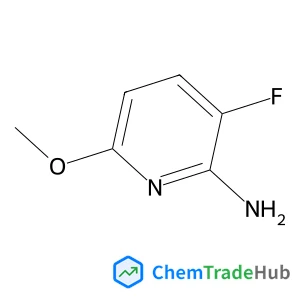
![Ethanone, 1-[4-chloro-2-(methylthio)-5-pyrimidinyl]- structure](https://static.chemtradehub.com/structs/661/66116-82-3-863e.webp "Ethanone, 1-[4-chloro-2-(methylthio)-5-pyrimidinyl]- structure")