![9H-Fluoren-9-ylmethyl [(2S)-1-hydroxy-3-(1H-indol-3-yl)-2-propanyl]carbamate structure](https://static.chemtradehub.com/structs/153/153815-60-2-a67d.webp "9H-Fluoren-9-ylmethyl [(2S)-1-hydroxy-3-(1H-indol-3-yl)-2-propanyl]carbamate structure")
9H-Fluoren-9-ylmethyl [(2S)-1-hydroxy-3-(1H-indol-3-yl)-2-propanyl]carbamate
CAS Number:
153815-60-2
Molecular Formula:
C26H24N2O3
J. Grant Hill, James A. Platts, Hans-Joachim Werner
Potential energy curves for the parallel-displaced, T-shaped and sandwich structures of the benzene dimer are computed with density fitted local second-order Møller–Plesset perturbation theory (DF-LMP2) as well as with the spin-component scaled (SCS) variant of DF-LMP2. While DF-LMP2 strongly overestimates the dispersion interaction, in common with canonical MP2, the DF-SCS-LMP2 interaction energies are in excellent agreement with the best available literature values along the entire potential energy curves. The DF-SCS-LMP2 dissociation energies for the three structures are also compared with new complete basis set estimates of the interaction energies obtained from accurate coupled cluster (CCSD(T)) and DF-SCS-MP2 calculations. Since LMP2 is essentially free of basis set superposition errors, counterpoise corrections are not required. As a result, DF-SCS-LMP2 is computationally inexpensive and represents an attractive method for the study of larger π-stacked systems such as truncated sections of DNA.

Chemical Communications

Organic Process Research & Development

Journal of Peptide Science

Drug Discovery Today

Russian Journal of Coordination Chemistry

Russian Journal of Organic Chemistry

Russian Journal of Bioorganic Chemistry

Russian Journal of General Chemistry

Current Opinion in Solid State & Materials Science

Nature Medicine
Jesús Pérez-Ríos
DOI: 10.1039/D0CP05509C
Alain Moissette, Isabelle Batonneau-Gener, Matthieu Hureau, Ludovic Pinard, Hervé Vezin, Michel Perdicakis, Alain Walcarius
DOI: 10.1039/D0CP06148D
Xing Yang, Yuwei Wang, Ruining Xiao, Tao Wen, Yulin Shen, Huanxiang Liu, Yongfu Wang
DOI: 10.1039/D0CP04547K
Jian Zeng, Bojun Peng, Zongle Ma, Ling-Ling Wang, Youwen Yang
DOI: 10.1039/D0CP05238H
D. Gobbo
DOI: 10.1039/D0CP04959J
Min Yan
DOI: 10.1039/D0CP03732J
Ignacio R. Sola
DOI: 10.1039/D0CP05692H
Hui Chen, Yu Zhao, Taimin Cheng, Quan Li
DOI: 10.1039/D0CP05793B
Leah Nation, Yan Wu, Xiaoming Liu, Miaofang Chi, Yuqin Wu, Yue Qi, Brian W. Sheldon
DOI: 10.1039/D0CP05737A
Jessica Exner, Sina Klabunde, Michael R. Hansen, Armido Studer
DOI: 10.1039/D0CP05732K
Ethyl 4-chlorothieno[2,3-b]pyridine-5-carboxylate (CAS: 59713-58-5) can be synth...
5-Methyl-1H-indole-3-carbaldehyde (CAS: 52562-50-2) is subject to various regula...
(1,3-Dimethyl-2,4-dioxo-1,2,3,4-tetrahydro-5-pyrimidinyl)boronic acid is a white...
Waste containing Sulfocostunolide A (CAS: 1016983-51-9) should be handled with c...
When handling Murraxocin (CAS: 88478-44-8), ensure proper personal protective eq...
Formvar (CAS: 63148-64-1) is an alkyd resin characterized by a high molecular we...
(S)-4-benzyl-2-((benzyloxy)methyl)morpholine is generally safe when handled with...
Methyl 1-(5-bromo-2-pyrimidinyl)cyclopropanecarboxylate (CAS: 1447607-69-3) is p...
2-Methyl-1-phenyl-1-propanamine hydrochloride (CAS: 24290-47-9) is generally con...
3-(4-Bromophenyl)-2-methylpropanoic acid is synthesized through a multi-step pro...

Physical Chemistry Chemical Physics (PCCP) is an international journal co-owned by 19 physical chemistry and physics societies from around the world. This journal publishes original, cutting-edge research in physical chemistry, chemical physics and biophysical chemistry. To be suitable for publication in PCCP, articles must include significant innovation and/or insight into physical chemistry; this is the most important criterion that reviewers and Editors will judge against when evaluating submissions. The journal has a broad scope and welcomes contributions spanning experiment, theory, computation and data science. Topical coverage includes spectroscopy, dynamics, kinetics, statistical mechanics, thermodynamics, electrochemistry, catalysis, surface science, quantum mechanics, quantum computing and machine learning. Interdisciplinary research areas such as polymers and soft matter, materials, nanoscience, energy, surfaces/interfaces, and biophysical chemistry are welcomed if they demonstrate significant innovation and/or insight into physical chemistry. Joined experimental/theoretical studies are particularly appreciated when complementary and based on up-to-date approaches.
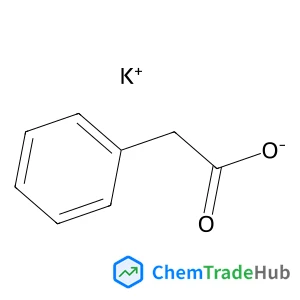
![4-[(1-Methyl-1H-pyrrol-2-yl)methylene]-1,3(2H,4H)-isoquinolinedione structure](https://static.chemtradehub.com/structs/110/1104546-89-5-a600.webp "4-[(1-Methyl-1H-pyrrol-2-yl)methylene]-1,3(2H,4H)-isoquinolinedione structure")