![Methyl 4-({[(2-methyl-2-propanyl)oxy]carbonyl}amino)bicyclo[2.2.2]octane-1-carboxylate structure](https://static.chemtradehub.com/structs/943/943845-74-7-b7e5.webp "Methyl 4-({[(2-methyl-2-propanyl)oxy]carbonyl}amino)bicyclo[2.2.2]octane-1-carboxylate structure")
Methyl 4-({[(2-methyl-2-propanyl)oxy]carbonyl}amino)bicyclo[2.2.2]octane-1-carboxylate
CAS Number:
943845-74-7
Molecular Formula:
C15H25NO4
John M. Sanderson, Eleanor J. Whelan
A simple bimolecular system for characterising the interactions of amino acids with diacyl-3-phosphatidylcholines has been developed. The system contains two components: an N-acetyl amino acid N′-alkyl amide and diacetyl-3-sn-phosphatidylcholine (DAPC). Interactions between a series of aromatic amino acids and DAPC have been characterised by 1H NMR techniques. Of the amino acids examined, tryptophan and tyrosine were shown to have particularly favourable interactions with the DAPC choline headgroup. Our observations are consistent with the previously reported tendency for these amino acids to occur preferentially at the lipid-water interface. Using data from ROESY experiments and complexation-induced chemical shift changes, we have been able to generate molecular models for the tryptophan–DAPC adduct that are consistent with the observed results. The adduct is characterised by amide carbonyl–cation interactions, hydrogen bonding and cation–π interactions.

Russian Journal of Organic Chemistry

Current Opinion in Solid State & Materials Science

New Journal of Chemistry

Russian Chemical Bulletin

Crystallography Reports

Russian Journal of General Chemistry

Russian Journal of Applied Chemistry

Russian Journal of Bioorganic Chemistry

Organic Process Research & Development

Chemistry Education Research and Practice
Vishnu Prasad K., Remco Hartkamp, Sarith P. Sathian
DOI: 10.1039/C8CP00919H
Marco Drache, Katrin Brandl, Rebecca Reinhardt, Sabine Beuermann
DOI: 10.1039/C7CP07768H
Guannan Li, Hong He
DOI: 10.1039/C8CP00354H
Wojciech Skomorowski, Sahil Gulania, Anna I. Krylov
DOI: 10.1039/C7CP08227D
Efracio Mamani Flores, Rogério Almeida Gouvea, Maurício Jeomar Piotrowski, Mário Lucio Moreira
DOI: 10.1039/C7CP08177D
Yanli Ji, Xiaocha Wang, Wenbo Mi
DOI: 10.1039/C8CP04336A
Jiří Kessler, Valery Andrushchenko, Josef Kapitán, Petr Bouř
DOI: 10.1039/C7CP08016F
C. F. Woellner, L. D. Machado, P. A. S. Autreto, D. S. Galvao
DOI: 10.1039/C7CP07402F
Long Wen, Bibhuti Bhusan Sahu, Jeon Geon Han
DOI: 10.1039/C7CP07318F
Panagiotis Krokidas, Salvador Moncho, Edward N. Brothers, Marcelo Castier, Ioannis G. Economou
DOI: 10.1039/C7CP08456K
This compound is mainly used as an intermediate in the synthesis of antipsychoti...
Waste containing 1-(D-Ribofuranosyl)-1,4-dihydro-3-pyridinecarboxamide (CAS: 191...
2-Methyl-2-propanyl 3-bromo-3-(hydroxymethyl)-1-azetidinecarboxylate (CAS: 20079...
N-(4-Chloro-2-pyridinyl)acetamide (CAS: 245056-66-0) is a chemical compound with...
5-Chloro-2-hydroxybenzoic acid, also known as 5-chlorosalicylic acid, is an arom...
When handling 1,1-Dichloro-1-fluoroethane (CAS: 1717-00-6), it is important to u...
Fmoc-(2S,3R)-3-phenylpyrrolidine-2-carboxylic acid is a white crystalline solid ...
4-Amino-5-bromo-2-pyridinecarboxylic acid is primarily used as a precursor in th...
Handling this compound should be done with personal protective equipment (PPE) i...
When handling 8-bromo-2,2-dimethyl-3,4-dihydro-2H-1,4-benzoxazin-3-one, use prop...

Physical Chemistry Chemical Physics (PCCP) is an international journal co-owned by 19 physical chemistry and physics societies from around the world. This journal publishes original, cutting-edge research in physical chemistry, chemical physics and biophysical chemistry. To be suitable for publication in PCCP, articles must include significant innovation and/or insight into physical chemistry; this is the most important criterion that reviewers and Editors will judge against when evaluating submissions. The journal has a broad scope and welcomes contributions spanning experiment, theory, computation and data science. Topical coverage includes spectroscopy, dynamics, kinetics, statistical mechanics, thermodynamics, electrochemistry, catalysis, surface science, quantum mechanics, quantum computing and machine learning. Interdisciplinary research areas such as polymers and soft matter, materials, nanoscience, energy, surfaces/interfaces, and biophysical chemistry are welcomed if they demonstrate significant innovation and/or insight into physical chemistry. Joined experimental/theoretical studies are particularly appreciated when complementary and based on up-to-date approaches.
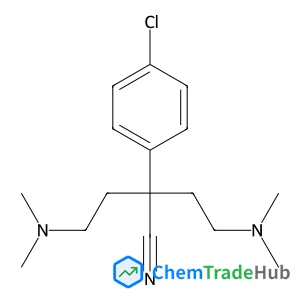
![tert-Butyl N-[(2-chloropyridin-4-yl)methyl]carbamate structure](https://static.chemtradehub.com/structs/916/916210-27-0-9f95.webp "tert-Butyl N-[(2-chloropyridin-4-yl)methyl]carbamate structure")