












![Methyl 3-({2'-[(E)-(hydroxyhydrazono)methyl]-4-biphenylyl}methyl)-2-oxo-2,3-dihydro-1H-benzimidazole-4-carboxylate structure](https://static.chemtradehub.com/structs/149/1499167-72-4-034a.webp "Methyl 3-({2'-[(E)-(hydroxyhydrazono)methyl]-4-biphenylyl}methyl)-2-oxo-2,3-dihydro-1H-benzimidazole-4-carboxylate structure")
Methyl 3-({2'-[(E)-(hydroxyhydrazono)methyl]-4-biphenylyl}methyl)-2-oxo-2,3-dihydro-1H-benzimidazole-4-carboxylate
CAS Number:
1499167-72-4
Molecular Formula:
C23H20N4O4
The Fourier-transform infrared spectra of tetracyanoethylene cation, C6N4+, and several of it fragment ions: CNC+, C4N2+, C3N2+, C5N3+, and C6N3+, in solid neon are obtained via mass-selective deposition. The ions are formed via electron-impact ionization of tetracyanoethylene, mass-selected in a quadrupole mass filter and deposited together with an excess of electrons to prevent a buildup of space charge. Upon irradiation of these matrices with a tungsten lamp, electrons are mobilized and attach to electron-deficient dopants; not only neutralizing the small amount of cations in the matrix, but also forming the well-known tetracyanoethylene anion, C6N4−. For each molecular ion, the new infrared assignments are supported by density functional calculations.
Lu Li, Kejing Quan, Junming Xu, Fusheng Liu, Shiwei Liu, Shitao Yu, Congxia Xie, Baoquan Zhang, Xiaoping Ge
DOI: 10.1039/C3GC40796A
Hongbing Song, Emilia Păunescu, Félix D. Bobbink, Huizhen Liu, Zhaofu Fei, Gabor Laurenczy, Mojtaba Bagherzadeh, Paul J. Dyson
DOI: 10.1039/C3GC37085B
Qingde Zhang, Yizhuo Han, Yisheng Tan
DOI: 10.1039/C3GC40279G
Zhongtian Du, Hong Ma, Jie Xu
DOI: 10.1039/C3GC40730F
Benjamin J. Deadman, Claudio Battilocchio, Eric Sliwinski, Steven V. Ley
DOI: 10.1039/C3GC40967H
Timo Witt, Stefan Mecking
DOI: 10.1039/C3GC40905H
Go Hamasaka, Takao Osako, Yoichi M. A. Yamada, Chao-Jun Li, Audrey Moores
DOI: 10.1039/C3GC40789F
Navneet Chandak, Pawan Kumar, Jitander K. Kapoor, Pawan K. Sharma
DOI: 10.1039/C3GC40797G
Sara K. Green, Jechan Lee, Hyung Ju Kim, Geoffrey A. Tompsett, Won Bae Kim, George W. Huber
DOI: 10.1039/C3GC00090G
When handling 4-Methyl-6-(trifluoromethyl)quinoline (CAS: 40716-16-3), safety go...
4-(3,5-Difluorophenyl)aniline is an aromatic organic compound with the CAS numbe...
5-{[4-(Trifluoromethyl)phenyl]sulfanyl}-1,2,3-thiadiazole-4-carboxylic acid can ...
The market for 4-Benzylaniline hydrochloride (CAS: 6317-57-3) is steadily growin...
[3-(Diethylsulfamoyl)phenyl]boronic acid is generally considered safe when handl...
3-Bromo-2,5-dimethoxyaniline is mainly used in the pharmaceutical and chemical i...
N-Methyl-1-(5-methyl-1H-indol-3-yl)methanamine (CAS: 915922-67-7) is subject to ...
This compound is primarily used in the pharmaceutical industry for the synthesis...
2-Methyl-2-propanyl [(1S,3R)-3-aminocyclohexyl]carbamate (CAS: 1298101-47-9) sho...
Ethyl 2-bromo-4,4,4-trifluorobutanoate (CAS: 367-33-9) is utilized in the pharma...

Physical Chemistry Chemical Physics (PCCP) is an international journal co-owned by 19 physical chemistry and physics societies from around the world. This journal publishes original, cutting-edge research in physical chemistry, chemical physics and biophysical chemistry. To be suitable for publication in PCCP, articles must include significant innovation and/or insight into physical chemistry; this is the most important criterion that reviewers and Editors will judge against when evaluating submissions. The journal has a broad scope and welcomes contributions spanning experiment, theory, computation and data science. Topical coverage includes spectroscopy, dynamics, kinetics, statistical mechanics, thermodynamics, electrochemistry, catalysis, surface science, quantum mechanics, quantum computing and machine learning. Interdisciplinary research areas such as polymers and soft matter, materials, nanoscience, energy, surfaces/interfaces, and biophysical chemistry are welcomed if they demonstrate significant innovation and/or insight into physical chemistry. Joined experimental/theoretical studies are particularly appreciated when complementary and based on up-to-date approaches.

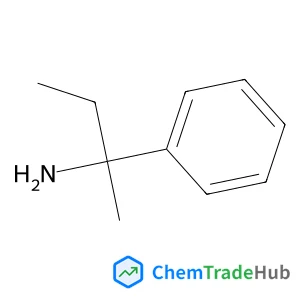

![2,4-Dichloro-6-isopropyl-5H-pyrrolo[3,4-d]pyrimidin-7(6H)-one structure](https://static.chemtradehub.com/structs/107/1079649-94-7-ad4a.webp "2,4-Dichloro-6-isopropyl-5H-pyrrolo[3,4-d]pyrimidin-7(6H)-one structure")






