



AD
2-Methoxy-1,3-thiazole-5-carboxylic acid(CAS: 716362-09-3)
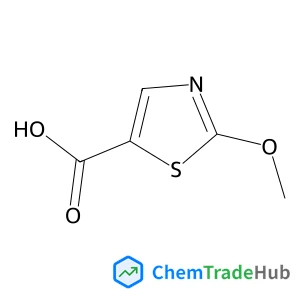
CAS Number
Related Products
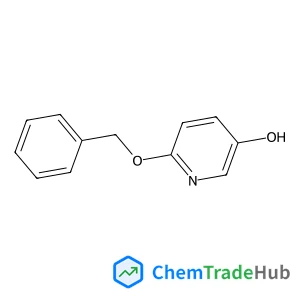
6-(Benzyloxy)-3-pyridinol
CAS Number: 725256-57-5
![1-[(4-Bromophenyl)sulfonyl]piperidine](https://static.chemtradehub.com/structs/834/834-66-2-03cf.webp)
1-[(4-Bromophenyl)sulfonyl]piperidine
CAS Number: 834-66-2
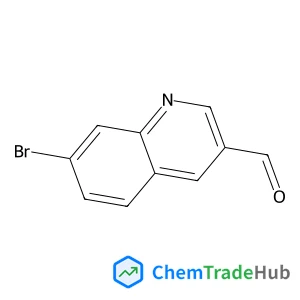
7-Bromoquinoline-3-carbaldehyde
CAS Number: 745830-24-4
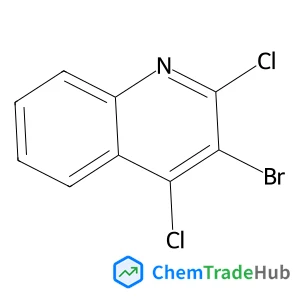
3-Bromo-2,4-dichloroquinoline
CAS Number: 109069-65-0
2,2'-Bipyridine, 6,6'-diphenyl-
CAS Number: 85575-95-7
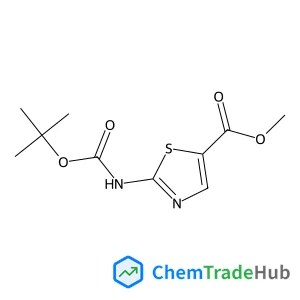
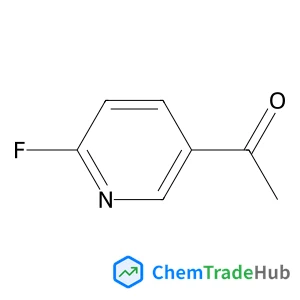
1-(6-Fluoro-3-pyridinyl)ethanone
CAS Number: 84331-14-6
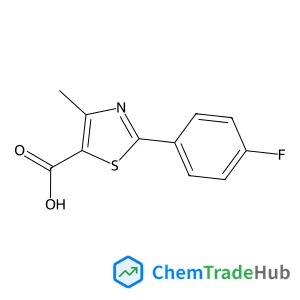
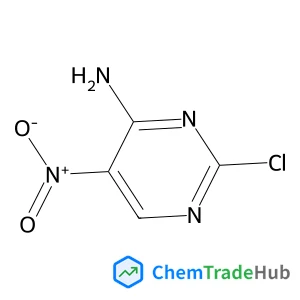
2-chloro-5-nitro-pyrimidin-4-amine
CAS Number: 1920-66-7
Other Suppliers for 2-Methoxy-1,3-thiazole-5-carboxylic acid






Basic Information
Molecular Formula
C5H5NO3S
Molecular Weight
159.17 g/mol
Chemical Identifiers
SMILES
COC1=NC=C(S1)C(=O)O
InChIKey
GXPOIOYVYNLHLX-UHFFFAOYSA-N
Database References
MDL Number
MFCD09693857
FAQ
2-Methoxy-1,3-thiazole-5-carboxylic acid is a white crystalline solid with a molecular weight of approximately 194.24 g/mol. It has a pKa of around 4.8 and is moderately soluble in water. This compound exhibits good reactivity with nucleophiles and can form amides, esters, and other derivatives. It is also known for its ability to act as a ligand in coordination chemistry.
2-Methoxy-1,3-thiazole-5-carboxylic acid can be synthesized via the reaction of 2-methoxythiazole with phthalimide under basic conditions in the presence of acetic anhydride. The synthesis typically involves careful control of pH and temperature to ensure high yield and selectivity. Alternative methods include the condensation of 2-methoxythiazole with aromatic amines followed by acidification.
2-Methoxy-1,3-thiazole-5-carboxylic acid is primarily used in the pharmaceutical industry as a precursor for organic synthesis, particularly in the development of anti-inflammatory and antimicrobial drugs. It also finds applications in the polymer industry for the synthesis of specialized polymers. Additionally, it is used in the production of sensors for detecting various chemicals and in semiconductor applications for doping processes.
When handling 2-Methoxy-1,3-thiazole-5-carboxylic acid, it is essential to wear proper personal protective equipment (PPE) such as gloves, goggles, and a lab coat. Work in a well-ventilated area or a fume hood to prevent inhalation of vapor. Spills should be cleaned up according to the safety data sheet (SDS) guidelines. Disposal should be done according to local regulations, and the material should be stored in a cool, dry place away from direct sunlight and heat sources.
Safety Notice
Please verify product specifications and safety data before use. Contact the supplier for detailed safety information.
Always follow proper handling procedures
Contact Information
Contact Person
Ms. Gu
568470422@qq.com