



AD
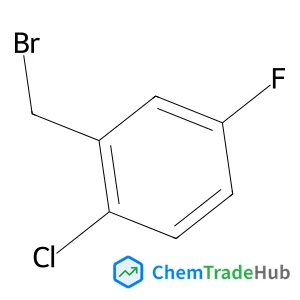
2-Chloro-5-fluorobenzyl Bromide(CAS: 81778-09-8)
CAS Number
Related Products
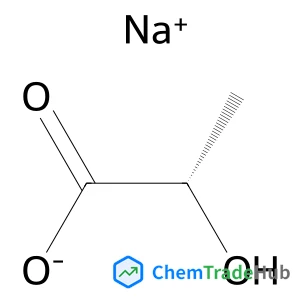
Sodium (2S)-2-hydroxypropanoate
CAS Number: 867-56-1
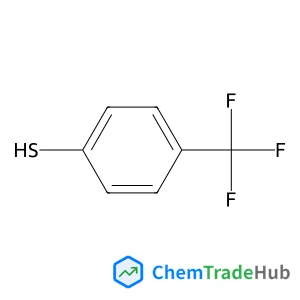
4-(Trifluoromethyl)benzenethiol
CAS Number: 825-83-2
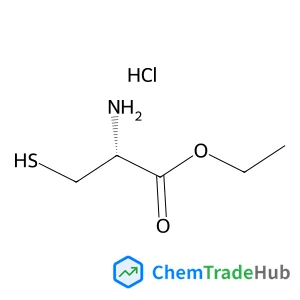
Ethyl L-cysteinate hydrochloride (1:1)
CAS Number: 868-59-7
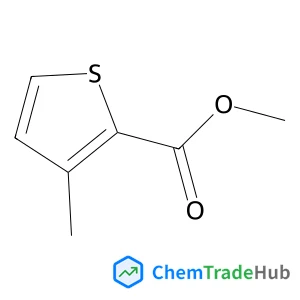
methyl 3-methylthiophene-2-carboxylate
CAS Number: 81452-54-2
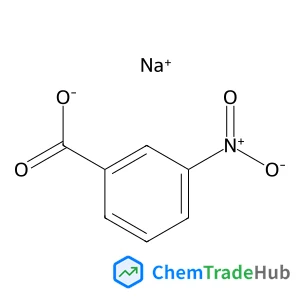
Sodium 3-nitrobenzoate
CAS Number: 827-95-2
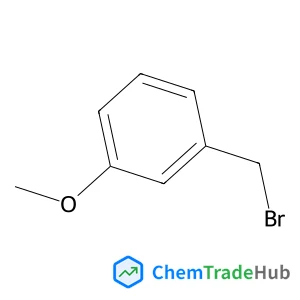
1-(bromomethyl)-3-methoxybenzene
CAS Number: 874-98-6
Other Suppliers for 2-Chloro-5-fluorobenzyl Bromide



Basic Information
Molecular Formula
C7H5BrClF
Molecular Weight
223.47 g/mol
Physical Properties
Boiling Point
65-66 °C/2 mmHg(lit.)
Density
1.654 g/mL at 25 °C(lit.)
Chemical Identifiers
SMILES
C1=CC(=C(C=C1F)CBr)Cl
InChIKey
AUVLFQDKJFSFIX-UHFFFAOYSA-N
Database References
MDL Number
MFCD01631419
FAQ
2-Chloro-5-fluorobenzyl Bromide (CAS: 81778-09-8) is a crystalline solid with a molecular weight of approximately 242.02 g/mol. It has a low solubility in water but is soluble in organic solvents like ethanol and acetone. This compound is highly reactive, particularly towards nucleophiles due to the presence of the bromide and the aromatic ring. It is prone to substitution reactions and can be used in various chemical transformations.
2-Chloro-5-fluorobenzyl Bromide is typically synthesized through the reaction of 2-chloro-5-fluorobenzyl alcohol with phosphorus tribromide in the presence of a suitable base like potassium hydroxide. The reaction is carried out in an inert solvent such as diethyl ether. This method provides good yield and selectivity, making it a common industrial synthesis route.
2-Chloro-5-fluorobenzyl Bromide (CAS: 81778-09-8) is used in the pharmaceutical industry for the synthesis of various drug compounds due to its reactivity and functionality. It is also utilized in the polymer industry for functionalization of polymers and in the development of sensors and semiconductors for electronic applications.
When handling 2-Chloro-5-fluorobenzyl Bromide (CAS: 81778-09-8), it is crucial to use proper personal protective equipment (PPE) such as gloves, goggles, and a lab coat. This compound should be handled in a well-ventilated area or a fume hood to minimize exposure. In case of a spill, it should be cleaned up immediately using appropriate absorbent materials. Always refer to the Safety Data Sheet (SDS) for detailed handling and emergency procedures.
Safety Notice
Please verify product specifications and safety data before use. Contact the supplier for detailed safety information.
Always follow proper handling procedures
Contact Information
rzbtsj@163.com